
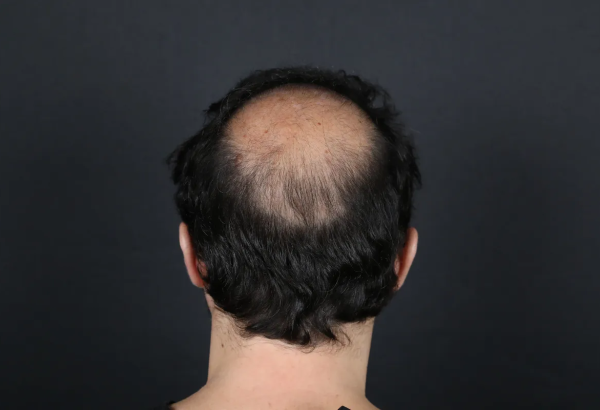
Hair loss affects different areas of the scalp in distinct ways, and understanding the differences between crown and frontal hair loss is key to choosing the right treatment. A Crown Hair Transplant in Dubai specifically targets the vertex or crown area at the back of the head, while a frontal hairline transplant focuses on restoring hair along the front hairline and temples. Both procedures are designed to enhance appearance, but their techniques, planning, and outcomes differ.
The Unique Challenge of the Crown Area
The crown area, located at the top rear of the scalp, has hair that grows in a circular or spiral pattern called a whorl. This growth pattern is unique to the crown and requires meticulous planning to ensure that transplanted hair follows the natural flow. Achieving natural density in this area can be more complex than in the frontal hairline because the circular orientation demands precise angling and placement of each follicle.
In contrast, the frontal hairline has hair growing in a linear or slightly curved pattern. Creating a natural-looking hairline involves carefully shaping it according to age, face structure, and natural hair density. The frontal area is usually more visible, making precision critical for aesthetic results.
Differences in Procedure Techniques
Both crown and frontal transplants use Follicular Unit Extraction (FUE) or Follicular Unit Transplantation (FUT), but the approach varies:
- Crown Hair Transplant: Focuses on filling bald spots and thinning areas in a circular pattern. The surgeon must carefully follow the natural swirl of hair to ensure a seamless appearance.
- Frontal Hairline Transplant: Requires creating a natural, soft-looking hairline that complements facial features. The surgeon places follicles with specific angles and spacing to mimic natural hair growth.
Additionally, the crown often requires more grafts per square centimeter to achieve density, while frontal hairline procedures may prioritize precision and artistry over sheer volume.
Healing and Growth Differences
Healing after a crown transplant is generally straightforward, but hair growth may appear slower compared to the frontal hairline due to the density and orientation of follicles. Patients typically notice initial growth within three to four months, with full results after 9 to 12 months. Frontal hairline transplants may show visible improvement sooner, as this area is often more exposed and easier to monitor during recovery.
Aesthetic Considerations
The crown is less noticeable than the frontal hairline, so slight imperfections are usually less apparent. However, achieving a natural swirl is crucial for long-term satisfaction. On the other hand, the frontal hairline is highly visible, and any unnatural angles or inconsistent density can be easily noticed. Therefore, creating a natural, age-appropriate hairline requires careful artistry in addition to technical expertise.
Candidate Suitability
Patients with thinning or bald crowns are ideal candidates for crown hair transplants, whereas those with receding front hairlines or temple loss are better suited for frontal hairline procedures. In some cases, patients may benefit from a combination of both to achieve full scalp restoration and a balanced appearance.
Conclusion
While both crown and frontal hairline transplants aim to restore hair and confidence, they differ significantly in technique, planning, and aesthetic focus. Understanding these differences helps patients make informed decisions about their hair restoration journey. Those seeking advanced hair restoration solutions in Dubai can benefit greatly from specialized procedures designed for their specific hair loss patterns. For anyone aiming to restore natural hair and achieve fuller coverage, the Best Crown Hair Transplant in Dubai offers expertise and precision tailored to individual needs.