Did you know that the same technology that lets people buy illegal goods also helps journalists in strict countries talk to the world without fear? You might think that just looking at a hidden marketplace puts you on a government watch list immediately – this corner of the internet is full of mystery but the laws around it are clearer than you might expect. Many people feel a mix of curiosity and fear when they hear about these sites. View list of dark active markets
You are likely wondering if you can get into trouble just for being curious. The internet is a vast place and the “dark” part is just a layer that requires special software to see – this software, usually the Tor browser, is a tool for privacy. Like a kitchen knife, it is a tool that individuals can use for good tasks or bad actions. Understanding the difference between viewing a site and committing a crime is the first step to staying safe.
Is the Dark Web Itself Illegal?
The short answer is no – it is not illegal to access the dark web. You can download the necessary software for free and open it on your computer right now without breaking any laws in most countries. Many people use these networks because they want to keep their browsing habits private from advertisers or internet service providers. It is a space where your identity is hidden behind many layers of data protection.
Governments actually created some of the technology that powers the hidden sites. The U.S. Navy originally developed Tor to protect sensitive communications. Many legitimate organizations have a presence there. You can find versions of the New York Times, Facebook and even the CIA on the dark web. They exist there to help people who live under heavy censorship reach information that is otherwise blocked.
Reasons individuals use the dark web legally
- To hide their physical location from trackers.
- To bypass government filters on news websites.
- To report corporate or government crimes safely.
- To communicate in areas where the internet is restricted.
Browsing Markets Without Buying
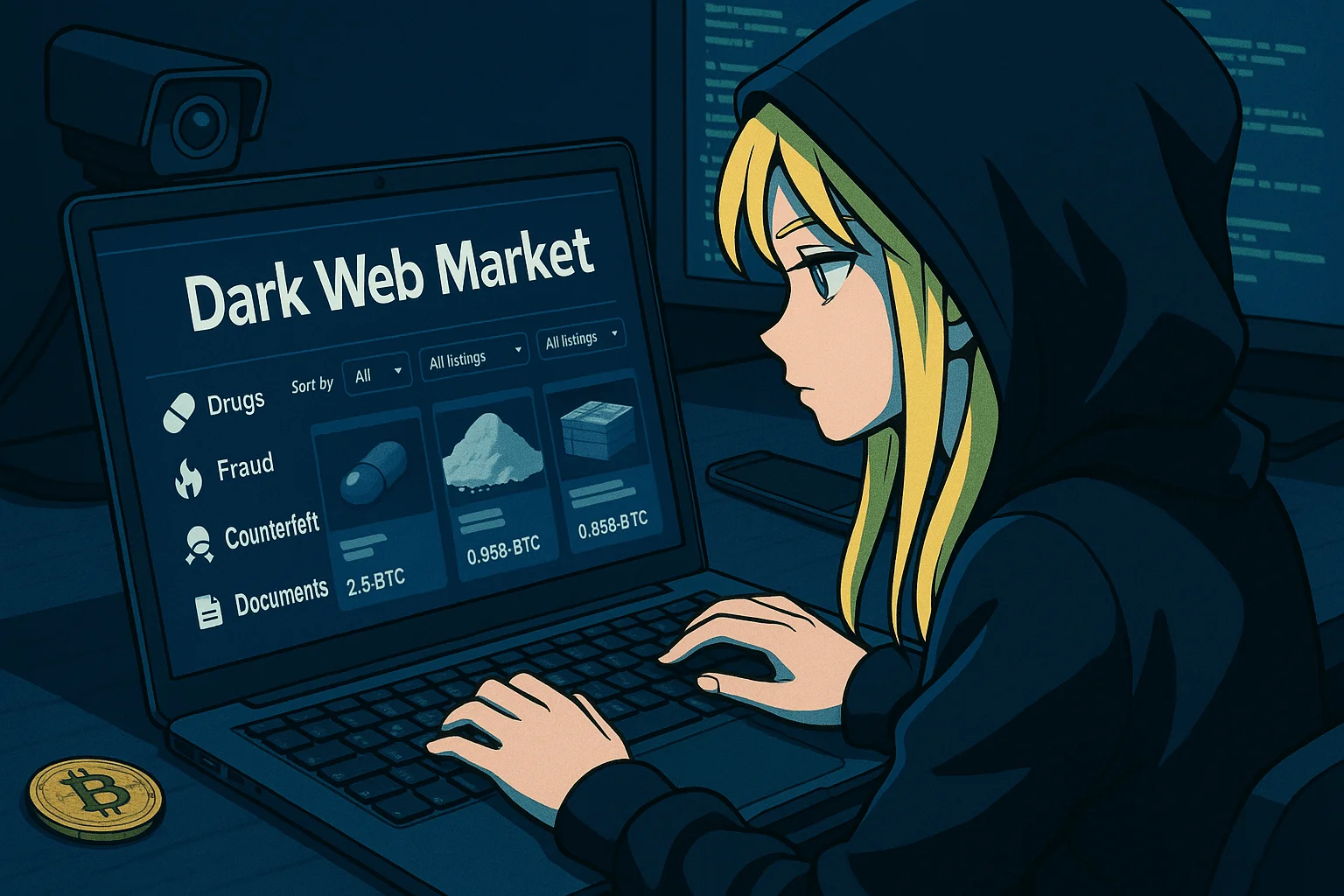
You are allowed to look at things but you are not allowed to buy things that are against the law. Browsing a market is similar to walking through a physical store that sells both legal and illegal items. If you are just standing there and looking at the shelves, you have not committed a crime yet. Many of these markets look like slightly older versions of eBay or Amazon, with categories, prices and reviews from users.
However, the items on these shelves are often very illegal. You will see listings for banned substances, stolen data and dangerous tools. Simply seeing an image of a forbidden item on your screen is generally not enough to lead to an arrest. Law enforcement officers are usually looking for the people who run the sites or the people who spend money to bring illegal goods into the physical world.
Keep in mind that some content is illegal even if you are just “looking” Anything that involves the abuse of children or certain types of extreme violence is a crime the moment the data reaches your computer. If you stay on markets that sell physical goods or digital tools, the act of browsing remains in a legal gray area that leans toward being “not a crime”
The Real Risks of Exploring Markets
The biggest danger you face is not the police but the individuals who run the websites – these markets are full of individuals who want to take your money or infect your computer with harmful software. Because there is no “police force” for the dark web, you have no protection if someone steals your information. Hackers often set up fake markets just to catch curious people and steal their login details.
Every time you click a link, you are taking a chance – Some links might trigger a download that tracks your keystrokes or locks your files until you pay a fee. You are also at risk of seeing things that are deeply upsetting. There are no moderators to remove graphic images or disturbing text. Your mental health can take a hit if you click the wrong link without knowing where it leads.
Common hazards on dark web markets
- Scam sites that look like real markets but just steal your digital currency.
- Phishing links that look for your private passwords.
- Malicious files that can damage your computer’s operating system.
- Accidentally viewing content that is illegal to possess.
How Authorities Track Activity
Police officers are very good at following the money – While the dark web hides your computer’s address, it does not perfectly hide your behavior. If you create an account on a market, you are leaving a digital footprint. Agencies like the FBI often run “honeypots” which are fake illegal sites designed to see who visits them and what they do. They watch these sites for months to collect data on everyone who logs in.
Investigators also use advanced math to track digital currency like Bitcoin. Many people think Bitcoin is anonymous but it is actually a public list of every transaction ever made. If you ever move money from a bank account to a dark web wallet, there is a path that leads directly back to you. Authorities wait for individuals to make a small mistake, like using a real email address or a username they use on other social media sites.
The postal service is another tool for law enforcement – If you ever decide to buy something, the package must travel through the real world. Modern scanners and trained dogs can find many illegal items inside envelopes. Once a package is flagged, the police can follow it to your front door – this is why browsing is relatively safe but taking the next step into buying is extremely dangerous.
Protecting Your Digital Identity
If you decide to satisfy your curiosity, you must be smart about your digital habits. Never use your real name, birthday or any part of your normal email address. You should treat the dark web like a hazardous environment. Use a computer that does not have your personal files on it if possible. Many experts suggest that you should not change the size of your browser window, as this can give away information about your screen type to trackers.
You should also turn off your webcam and microphone before you start. Some sites try to activate these features without you knowing. Always keep your browser updated to the latest version so that you have the newest security fixes. Remember that your internet provider can see that you are using Tor, even if they cannot see what you are doing on it. If you want to be extra careful, you might want to use a virtual private network (VPN) as well.
Ultimately, the best way to stay out of trouble is to remain a spectator. Don’t engage in chats, don’t create profiles if you don’t have to and never click on “buy” buttons. If a site feels wrong or looks suspicious, close your browser immediately. Respect the power of the tool you are using and you will likely be fine.
FAQ
Can I go to jail for just looking at a dark web market?
Generally, no – Simply viewing a website is not a crime in most countries. You only get into legal trouble if you buy illegal goods, download prohibited content or help run the illegal site.
Is the Tor browser safe to download?
Yes, the Tor browser is a legitimate privacy tool used by millions of people. It is safe to download from the official project website. What you do while using the browser can still be risky if you visit the wrong places.
Can my internet provider see what I am doing on the dark web?
Your provider can see that you are connected to the Tor network but they cannot see the specific websites you visit or the messages you send. They only know that you are using a tool that hides your activity.
Do I need Bitcoin to browse?
No, you do not need any digital currency to just look at markets. You only need currency if you intend to make a purchase, which is the part that is often illegal and dangerous.
Are all markets on the dark web for illegal things?
While many are for illegal goods, there are also markets for legal things like used books or privacy software. The illegal markets are much more common and receive more attention from the public.