
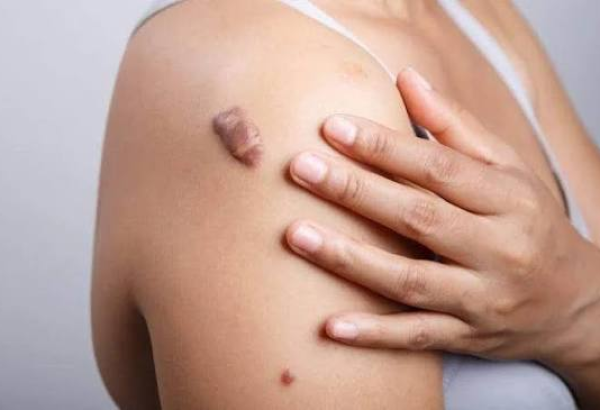
Keloids are more than just raised scars—they can grow beyond the original wound, become uncomfortable, and affect how you feel about your skin. Many people first notice them after a small cut, acne breakout, piercing, or surgical incision, only to see the scar gradually thicken and expand over time. In many cases, early attention makes a meaningful difference in how the skin heals. If you are concerned about a keloid in dubai, understanding what triggers them and how to manage them can help you take control before the condition progresses further. This guide breaks down everything you need to know in a simple, practical way so you can protect your skin and confidence.
Understanding Keloids and Why They Form
Keloids develop when the body produces excess collagen during the healing process. Instead of stopping once the skin is repaired, the tissue continues to grow, creating a raised, often firm scar that extends beyond the original injury.
What is a keloid scar?
A keloid scar is a type of overgrowth of scar tissue that forms after skin damage. Unlike normal scars that gradually fade or flatten, keloids can keep growing for months or even years. They may appear shiny, smooth, or rubbery and can vary in color from pink to dark brown depending on skin tone.
While keloids are not dangerous in a medical sense, they can cause discomfort, itching, or tightness in the skin. For many people, the emotional impact is just as significant as the physical appearance.
Common triggers and risk factors
Keloids can develop from many types of skin injuries, including:
- Acne or acne scarring
- Cuts and minor wounds
- Ear or body piercings
- Burns or skin trauma
- Surgical incisions
Some individuals are more prone to keloid formation due to genetics. If family members have experienced them, the likelihood increases. Skin tone also plays a role, with keloids being more common in medium to darker skin types.
Early Signs You Should Never Ignore
Recognizing keloids early is key to managing them effectively. Many people dismiss the initial changes, thinking it is a normal part of healing, but early intervention can help prevent excessive growth.
How keloids start
Keloids usually begin as a small, raised area around a healing wound. At first, it may look like a normal scar, but over time it becomes thicker, firmer, and more noticeable. You might also feel itching or mild tenderness in the area.
The growth phase can last weeks or months, and in some cases, it continues slowly for years if not managed properly.
When a normal scar turns into a keloid
A scar may be turning into a keloid if you notice:
- The scar extending beyond the original wound area
- A raised, shiny, or thick texture
- Persistent itching or sensitivity
- Gradual enlargement over time
If these signs appear, it is important not to ignore them or assume they will fade on their own.
Daily Care and Management Strategies
Managing keloids involves consistent care and protecting the skin from further irritation. While keloids cannot always be completely prevented or reversed naturally, proper habits can help reduce their progression.
Gentle skincare habits
Using mild, fragrance-free cleansers helps prevent irritation around the affected area. Avoid scrubbing or applying harsh exfoliants directly on keloid-prone skin, as this can worsen inflammation.
Keeping the skin moisturized is also important. Well-hydrated skin supports better healing and reduces dryness or itching that can make the area uncomfortable.
Pressure, silicone, and protective measures
Applying consistent pressure or protective coverings over healing skin can sometimes help flatten raised scars over time. Silicone-based sheets or gels are commonly used to help soften and improve the appearance of scars by maintaining hydration and reducing excess collagen buildup.
Protecting the area from friction—such as tight clothing or repeated rubbing—also plays an important role in preventing irritation and further growth.
Lifestyle factors that influence healing
Healthy habits can support better skin recovery. Consider:
- Staying hydrated
- Eating nutrient-rich foods that support skin repair
- Avoiding unnecessary skin trauma or picking at scars
- Managing stress, which can affect healing responses
These small steps may not eliminate keloids completely, but they can support overall skin health.
The Emotional Impact of Keloids
Keloids can affect more than just the skin—they can influence how a person feels about their appearance and confidence. Because they often appear in visible areas like the chest, shoulders, or ears, they may lead to self-consciousness.
Confidence and body image
It is common for individuals with keloids to feel uncomfortable in certain clothing or avoid social situations where the scar might be visible. This emotional response is valid and widely experienced.
Understanding that keloids are a biological response—not a reflection of hygiene or personal care—can help reduce self-blame.
Coping strategies
Supportive coping methods include:
- Wearing clothing that feels comfortable and confidence-boosting
- Talking openly with trusted friends or family
- Practicing positive self-image habits
- Focusing on skin health rather than appearance alone
Emotional well-being plays a major role in how people manage long-term skin conditions.
Prevention Tips for Healthy Healing
Preventing keloids is not always possible, but you can reduce the risk by taking care of new wounds properly.
Proper wound care
Clean any skin injury gently and keep it protected while it heals. Avoid unnecessary touching or picking at scabs, as this can trigger abnormal scar formation. Keeping wounds covered when needed can also reduce irritation and exposure.
Avoiding irritation and trauma
If you are prone to keloids, it is important to minimize skin trauma whenever possible. Be cautious with piercings, tattoos, or procedures that break the skin barrier. Even minor irritation can sometimes trigger excessive scar growth in sensitive individuals.
When to Seek Professional Guidance
While home care plays an important role, some keloids require structured management approaches, especially if they are growing, uncomfortable, or affecting daily life.
Why early action matters
Early attention can help slow progression and reduce the likelihood of long-term thickening. Once keloids mature, they can become more resistant to improvement, so addressing them sooner is generally more effective.
What to expect from modern approaches
Modern skin management focuses on reducing scar thickness, improving texture, and minimizing symptoms like itching or tightness. Approaches may vary depending on the individual, but the goal is always to improve comfort and appearance while preventing further growth.
Consistency is key—keloid management often requires time and patience, but steady care can lead to noticeable improvement.
Conclusion
Keloids can be frustrating, but they are manageable when understood early and cared for consistently. From recognizing the first signs to adopting daily skincare habits and protecting healing wounds, every step plays a role in controlling their progression. Whether you are dealing with a new scar or a long-standing one, awareness is your strongest tool. With the right approach, even a challenging keloid in dubai can be better understood, managed, and supported over time, helping you feel more comfortable and confident in your skin.