
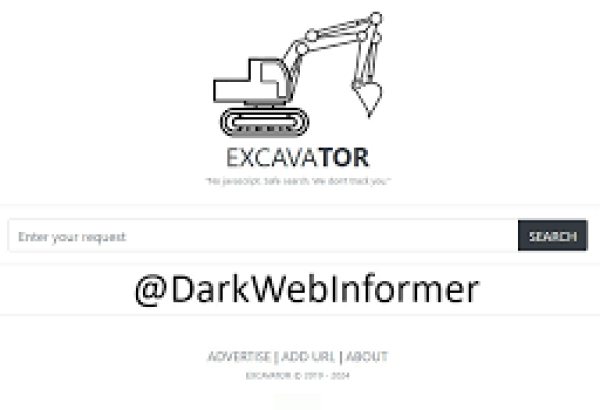
Did you know that the traditional search engines you use every day only index about five percent of the total internet? The remaining vastness consists of the deep web and the darknet, places where standard crawlers cannot reach. As we move through 2026, the tools people use to navigate these hidden corners are becoming more sophisticated. One name that often comes up in circles focused on privacy is Excavator, a tool designed specifically for the unique environment of the Tor network.
You might wonder why anyone would need a specific search engine for Tor. Because onion services do not follow the same registration rules as standard websites, they are often difficult to find. Traditional directories can become outdated in a matter of hours. Excavator is a response to this chaos, providing a way to sort through the noise without compromising the anonymity that makes the network valuable to its users in the first place.
Understanding the Tor Landscape in 2026
The Tor network is a group of volunteer operated servers that allows people to improve their privacy and security on the internet. When you use this network, your traffic is wrapped in layers of encryption, much like the layers of an onion. By the time your data reaches its destination, the source is nearly impossible to trace – this system is vital for journalists, activists and anyone who lives under heavy digital surveillance.
In 2026 the technology behind these hidden services has matured. We see fewer “broken” links than in previous years but the sheer volume of information is larger than ever. Navigating this space requires more than just a browser – it requires a gateway that understands the specific language of onion links. Tools like Excavator act as the gateways, indexing content that is otherwise invisible to the public eye.
If you are new to this world, it is helpful to keep a few things in mind about the darknet
- Onion addresses are usually long strings of random characters ending in .onion.
- Websites here do not load as quickly as standard sites because of the multiple encryption hops.
- Many services are ephemeral and may go offline without notice.
How Excavator Changes the Search Experience
Excavator is a search engine that prioritizes speed and relevance within the Tor ecosystem. Compared to some older crawlers that simply listed every link they found, this tool attempts to verify if a site is active before showing it to you – this saves you the frustration of clicking on dead links, which has been a major problem for darknet users for over a decade. It is a more refined way to explore the hidden web.
The interface is usually very simple – You will not find heavy advertisements or tracking scripts here. You get a clean search bar where you can type in topics of interest. Because the developers focus on the excavator search engine official onion link as a primary entry point, the tool maintains a high level of integrity. It filters out much of the “spam” content that often clogs up less regulated search engines.
Using a dedicated search tool is much safer than clicking random links you find on forums. Excavator provides a layer of curation. While it does not “censor” the web, it does help highlight the most reputable services available – this makes it a preferred choice for individuals who want to find specific technical documentation or privacy related forums without wandering into dangerous digital neighborhoods.
Privacy Mechanisms & User Safety
Privacy is the core reason people use Tor – When you use a search engine in this environment, you expect that your search history is not being sold to advertisers. Excavator is built with this philosophy. It does not log your IP address, nor does it track your search queries to build a profile about you. You are essentially a ghost in the system, which is exactly how darknet navigation should feel.
In 2026, the threats to digital privacy are more advanced, with AI-driven tracking becoming common. Using tools that explicitly reject data collection is a smart move. Excavator ensures that your journey through the onion layers remains private – this is why many people include it in their overview of Tor network systems when teaching others how to stay safe online.
The engine also helps protect you from “phishing” sites – These are fake websites designed to look like real services to steal your login details. By indexing verified versions of popular sites, Excavator acts as a shield. If you search for a specific marketplace or forum, the engine is more likely to show you the legitimate link rather than a malicious clone created by a scammer.
Finding Reliable Entry Points & Directories
Even with a great search engine, having a starting point is helpful. Many individuals begin their journey at a directory – these are curated lists of links categorized by topic. Think of a directory as a map and a search engine like Excavator as a compass. You use the map to see the general layout and the compass to find specific treasures you know exist but cannot see yet.
Directories are often updated by humans, which adds a layer of trust. When you combine a human edited list with a powerful crawler like Excavator, you get the best of both worlds. You can find everything from open source software repositories to mirrors of famous news sites that are blocked in certain countries – this synergy is what makes the modern darknet more accessible to the average person than it was five years ago.
When looking for information, consider these categories of resources
- Secure Messaging
Platforms that allow for encrypted communication. - Digital Libraries
Collections of rare books and academic papers. - Tech Forums
Communities focused on coding, security and hardware.
Tips for Navigating the Darknet Safely
Safety on Tor is as much about your behavior as it is about the tools you use. Even with the best search engine, you must remain vigilant. Never use your real name, email or any identifying information on any onion site. Use a pseudonym and a dedicated encrypted email service if you need to register for a forum. Always keep your Tor Browser updated to the latest version to ensure you have the newest security patches.
Another tip is to adjust your security settings – The Tor Browser has a “Security Level” slider – setting this to “Safer” or “Safest” disables certain website features like JavaScript that can be used to deanonymize you. While this might make some sites look a bit plain, it is a small price to pay for your anonymity. The goal of using a tool like Excavator is to find information while leaving no footprint behind.
Finally, trust your instincts – If a website looks suspicious or asks for too much information, leave immediately. The darknet is a frontier and like any frontier, it has its risks. – using reputable search engines and following basic safety protocols, you can explore the vast world of onion services with confidence. The internet is much larger than the few sites we visit daily and tools like Excavator are the keys to unlocking that hidden potential.
FAQ
Is using Excavator legal?
In most countries, using the Tor network and its search engines is perfectly legal – these tools are designed for privacy and to bypass censorship. What you choose to do with that access is your responsibility. Always follow the local laws of your jurisdiction.
Do I need a VPN to use Tor search engines?
While some people use a VPN with Tor, it is generally not necessary. Tor provides its own robust encryption. In some cases, using a VPN can actually make your connection more unique and easier to track. Many experts suggest using a clean Tor connection for the best anonymity.
Can Excavator find everything on the darknet?
No search engine can index the entire darknet – Many sites are private or require an invitation. Excavator is one of the most comprehensive tools available for finding public onion services that are currently online and functional.
How do I know if an onion link is safe?
There is no 100 % guarantee but using a reputable search engine like Excavator reduces the risk – these engines often filter out known malicious sites. You should also check community forums to see if a particular link is well regarded by other users.