
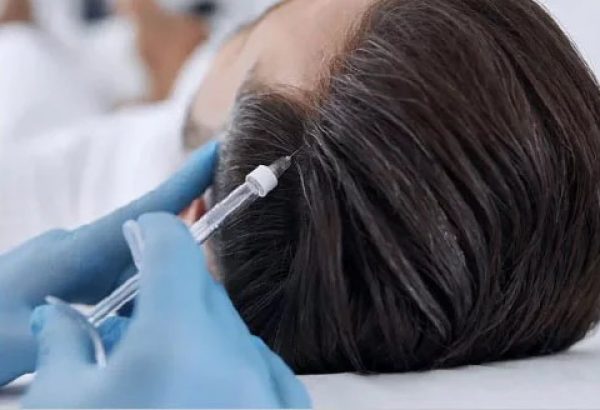
Hair loss treatments often raise concerns about safety, side effects, and long-term results. Platelet-rich plasma therapy has gained significant popularity as a non-surgical approach to hair restoration. Many individuals exploring regenerative hair solutions frequently come across PRP Hair Treatment in Dubai while researching modern treatments designed to stimulate natural hair growth and improve scalp health. PRP therapy is considered a minimally invasive procedure because it uses the patient’s own blood to create platelet-rich plasma. The plasma contains growth factors that help stimulate hair follicles, improve circulation in the scalp, and support tissue regeneration. Because the treatment uses the body’s own biological material, the risk of allergic reactions or rejection is generally very low.
Why PRP Is Considered a Safe Procedure
One of the main reasons PRP therapy is widely used in aesthetic and medical treatments is its safety profile. The plasma used in the treatment is taken directly from the patient’s blood, which makes it an autologous treatment.
This means the body naturally recognizes the injected material, reducing the likelihood of serious complications. Studies have shown that PRP therapy is a relatively safe and minimally invasive option for treating hair loss, with positive outcomes reported in many clinical trials.
Because the treatment relies on natural growth factors rather than synthetic chemicals, many people consider it a more biological approach to hair restoration.
Common Side Effects After PRP Treatment
Although PRP therapy is generally considered safe, mild and temporary side effects can occur after the injections. These effects are usually short-lived and tend to resolve on their own within a few days.
Some commonly reported side effects include:
-
Mild pain or discomfort at the injection site
-
Temporary redness or swelling on the scalp
-
Slight itching or tenderness
-
Mild headache after treatment
Research reviews indicate that these side effects are usually minor and temporary, with no major long-term complications reported in most studies.
Most individuals are able to return to their normal daily activities shortly after the procedure.
Risks Associated With Improper Procedures
Although PRP therapy is generally safe, the success and safety of the treatment depend heavily on proper medical technique. The procedure involves several steps, including blood collection, plasma separation, and scalp injections.
If proper sterilization and professional medical standards are not followed, there may be a small risk of infection or complications. Experts emphasize that sterile equipment and trained professionals are essential for safe treatment.
Rare complications reported in medical literature include:
-
Infection due to poor sterilization
-
Excessive inflammation
-
Tissue irritation at injection sites
These complications are uncommon but highlight the importance of receiving treatment in a properly regulated medical setting.
Importance of Medical Screening
Before undergoing PRP therapy, individuals are typically evaluated to determine whether the treatment is suitable for them. A proper medical assessment helps identify any underlying health conditions that may affect the safety or effectiveness of the procedure.
People with certain medical conditions may need additional evaluation before receiving PRP therapy. For example, individuals with severe blood disorders, active infections, or scalp diseases may require alternative treatments.
Medical screening helps ensure that PRP therapy is performed safely and effectively.
Safety Compared With Other Hair Loss Treatments
PRP therapy is often considered safer than some traditional hair restoration procedures because it does not involve surgery. Unlike hair transplant surgery, PRP injections do not require incisions, stitches, or long recovery periods.
This makes it appealing to individuals who want a minimally invasive treatment option.
Compared with surgical procedures, PRP therapy typically offers:
-
Lower risk of complications
-
Minimal recovery time
-
Natural biological stimulation
-
Gradual and natural-looking results
These advantages have contributed to the growing popularity of PRP therapy worldwide.
The Role of Proper Treatment Protocols
Another important factor in PRP safety is the preparation and administration process. Different clinics may use different techniques for preparing platelet-rich plasma, which can influence both safety and effectiveness.
Research suggests that standardized preparation protocols help ensure consistent results and reduce potential risks.
Using proper medical equipment and following recommended treatment guidelines helps maintain the safety of the procedure.
Long-Term Safety of PRP Therapy
Long-term studies of PRP therapy have generally reported positive safety outcomes. Clinical reviews involving many participants have found that the treatment can improve hair density and reduce hair loss while maintaining a favorable safety profile.
Most reported side effects are mild and temporary, and serious complications are considered rare when the treatment is performed correctly.
This is one of the reasons why PRP therapy has become a widely discussed option in modern hair restoration treatments.
Increasing Popularity of PRP Hair Therapy
As regenerative medicine continues to develop, PRP therapy is becoming increasingly popular among individuals seeking non-surgical hair restoration options. The treatment’s ability to stimulate hair follicles using natural growth factors has attracted attention in many parts of the world.
People researching advanced hair restoration procedures frequently search for the Best PRP Hair Treatment Dubai, as the city has become known for modern aesthetic technologies and innovative cosmetic treatments.
Conclusion
PRP hair therapy is generally considered a safe and minimally invasive treatment for individuals experiencing hair thinning or early hair loss. Because the procedure uses platelet-rich plasma derived from the patient’s own blood, the risk of allergic reactions and major complications is low. Most side effects are mild and temporary, such as redness or slight discomfort at the injection site. When performed using proper medical techniques and sterile conditions, PRP therapy remains a widely accepted and promising option for improving hair density and supporting healthier hair growth.