
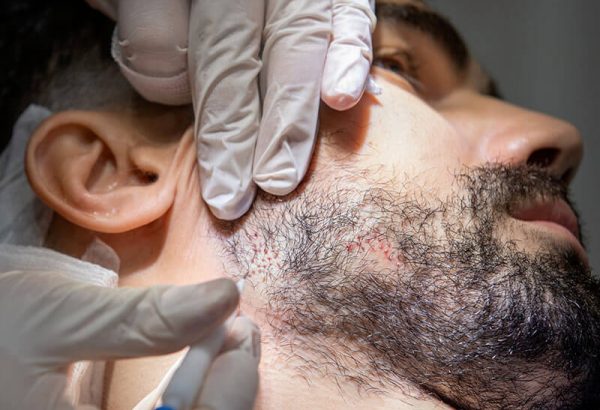
Facial hair can significantly influence a man’s appearance, confidence, and personal grooming style. However, certain medical conditions can cause unexpected beard hair loss. One of the most common conditions associated with patchy facial hair loss is alopecia, particularly alopecia areata or alopecia barbae. For individuals experiencing these conditions, many begin exploring modern cosmetic procedures such as Beard Hair Transplant in Dubai as a possible solution to restore facial hair density. A beard hair transplant involves relocating healthy hair follicles—usually from the scalp—to areas of the beard where hair growth is absent or limited. The transplanted follicles are expected to grow naturally once they establish themselves in the skin. However, when alopecia is involved, the suitability of this procedure becomes more complex.
What Is Alopecia?
Alopecia is a general term used to describe hair loss that can occur on the scalp, beard, or other parts of the body. There are different forms of alopecia, and each type affects hair growth in a unique way.
Some common types include:
-
Alopecia areata – an autoimmune condition that causes small round patches of hair loss
-
Alopecia barbae – a type of alopecia areata that specifically affects the beard
-
Scarring alopecia – hair loss caused by damage to hair follicles due to injury or inflammation
-
Androgenetic alopecia – genetically related hair thinning
Understanding which type of alopecia a person has is essential when determining whether a beard hair transplant is suitable.
How Alopecia Affects Hair Follicles
In alopecia areata, the body’s immune system mistakenly attacks hair follicles. This causes hair to fall out in small, round patches that may appear suddenly on the beard or scalp.
Because the immune system targets the follicles themselves, transplanting new hair into these areas may not always solve the problem. The immune system may also attack the newly transplanted follicles, leading to further hair loss.
For this reason, beard hair transplants are not always recommended for individuals with active alopecia areata.
When Beard Hair Transplant May Not Be Suitable
If alopecia is currently active or spreading, a beard hair transplant may not produce reliable results. The unpredictable nature of the condition means that transplanted hair could fall out just like the original hair.
Several factors may make a transplant unsuitable:
-
Active autoimmune hair loss
-
Rapidly expanding bald patches
-
Lack of stable donor hair
-
Ongoing inflammation of the skin
In these situations, specialists often recommend addressing the underlying condition first before considering cosmetic procedures.
Cases Where a Beard Transplant May Be Possible
Although alopecia can complicate hair restoration procedures, there are situations where a beard hair transplant may still be considered.
For example, if alopecia has been inactive or stable for several years and the affected areas no longer show active hair loss, some individuals may become candidates for transplantation.
In these cases, healthy follicles from unaffected donor areas—usually the scalp—can be transplanted to restore facial hair in areas where hair has permanently disappeared.
Treating Alopecia Before Considering Transplant
Before exploring surgical solutions, many individuals with alopecia focus on medical treatments designed to control or stabilize the condition. Dermatologists may recommend treatments that help stimulate hair regrowth or reduce immune system activity around the follicles.
Common treatment approaches include:
-
Topical medications
-
Corticosteroid injections
-
Immune therapy treatments
-
Hair growth stimulants
Once the condition becomes stable, cosmetic procedures may become more viable options.
Importance of Proper Diagnosis
A crucial step in deciding whether a beard transplant is suitable for someone with alopecia is proper diagnosis. Different types of alopecia behave differently, and treatment plans vary depending on the underlying cause.
For example:
-
Patchy alopecia caused by immune responses may be unpredictable.
-
Scarring alopecia caused by injuries or burns may respond better to transplantation.
-
Genetic facial hair thinning may be highly suitable for transplant procedures.
This is why a detailed evaluation is essential before planning a beard restoration procedure.
Emotional Impact of Beard Hair Loss
Hair loss in the beard area can affect self-confidence and emotional well-being. For many men, facial hair is associated with maturity, masculinity, and personal style.
When alopecia causes visible beard patches, individuals may feel uncomfortable with their appearance or find it difficult to maintain their preferred beard style. Restoring facial hair density can therefore play a role in improving confidence and self-image once the condition is properly managed.
Growing Demand for Beard Restoration
Interest in facial hair restoration procedures has grown significantly in recent years. As beard styles remain popular in modern grooming culture, more men are seeking solutions to improve beard density and symmetry.
Dubai has become a well-known destination for advanced cosmetic treatments and hair restoration procedures. Individuals researching facial hair restoration frequently associate advanced treatment options with the phrase Best Beard Hair Transplant Dubai, reflecting the region’s reputation for modern aesthetic services and experienced specialists.
Making the Right Decision
For individuals with alopecia, deciding whether to pursue a beard hair transplant requires careful evaluation. The stability of the condition, availability of healthy donor hair, and overall skin health all influence the outcome of the procedure.
While beard hair transplantation can effectively restore facial hair in many cases, active autoimmune alopecia may require medical management before surgical options are considered.
Conclusion
A beard hair transplant can be an effective method for restoring facial hair in individuals with genetic beard thinning, scars, or naturally sparse hair growth. However, when alopecia is involved, the suitability of the procedure depends on the type and stability of the condition. Active forms of alopecia, particularly alopecia areata, may prevent transplanted follicles from surviving because the immune system can continue attacking them. In contrast, stable or inactive cases may still allow successful beard restoration. By carefully diagnosing the cause of hair loss and ensuring the condition is properly managed, individuals can make informed decisions about whether beard hair transplantation is the right option for achieving a fuller, more natural-looking beard.