
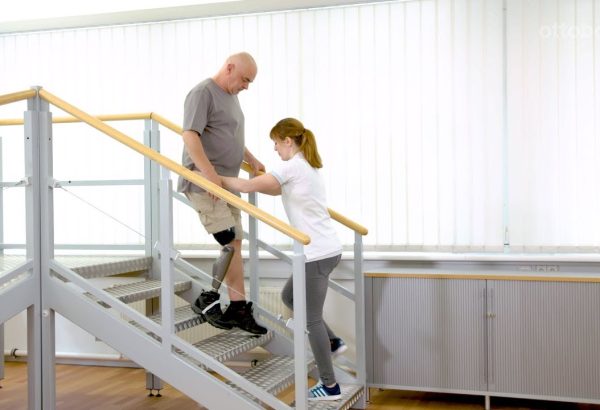
Recovering from injury, surgery, or chronic pain requires more than generic exercise plans—it demands a personalized approach that evolves with your body’s needs. That’s where 1-To-1 Rehabilitation Training makes a powerful difference. Unlike group programs or standardized therapy sessions, one-on-one rehabilitation provides individualized attention, targeted programming, and continuous professional guidance tailored specifically to your condition and goals.
This focused approach not only accelerates healing but also builds strength, confidence, and resilience for long-term recovery. Whether you’re returning to sport, work, or daily activities, personalized rehabilitation ensures every movement supports sustainable progress.
In this article, we explore nine key benefits of 1:1 rehabilitation training and why it can be the most effective path toward lasting recovery and optimal performance.
1. Individual Assessment Leads to Targeted Treatment
Every injury tells a different story. Two people with the same diagnosis may experience different levels of pain, strength loss, and mobility restriction. A 1:1 rehabilitation session begins with a thorough assessment of your current condition.
Accurate Movement Analysis
Your trainer or therapist watches how you move, sit, stand, and walk. They identify muscle imbalances, joint restrictions, and weak areas. This direct observation allows them to build a program that targets the exact cause of dysfunction rather than just treating symptoms.
Customized Exercise Selection
Instead of following a generic routine, you perform exercises chosen specifically for your needs. If your hip lacks stability, your plan focuses on strengthening stabilizing muscles. If your shoulder mobility limits daily tasks, your sessions prioritize controlled range-of-motion work.
This targeted approach reduces wasted effort and speeds up measurable progress.
2. Faster Progress Through Focused Attention
When you train one-on-one, you receive your coach’s full attention. That focus accelerates recovery.
Immediate Corrections
Small mistakes in form can delay progress or cause new injuries. In a 1:1 setting, your trainer corrects posture, alignment, and technique instantly. You avoid reinforcing bad habits and develop safe movement patterns from the start.
Progressive Adjustments
As your strength improves, your therapist adjusts resistance, tempo, and exercise difficulty. They make these changes at the right pace. You neither stagnate nor advance too quickly. This balance keeps recovery on track and prevents setbacks.
3. Reduced Risk of Re-Injury
Re-injury often occurs when people return to activity too soon or skip important recovery stages. One-on-one rehabilitation lowers that risk.
Controlled Progression
Your therapist introduces new movements only when your body shows readiness. They monitor pain levels, swelling, fatigue, and joint stability. This careful progression protects healing tissues.
Safe Return to Activity
If you aim to return to sports or demanding work tasks, your trainer simulates real-life movements in a controlled environment. They prepare your body step by step before you face full intensity again.
By rebuilding strength, coordination, and endurance gradually, you reduce the chance of repeating the same injury.
4. Stronger Mind-Body Connection
Recovery does not happen only at the physical level. Your brain plays a vital role in movement control and pain response.
Improved Movement Awareness
In 1:1 sessions, your trainer teaches you how to feel specific muscles working. You learn proper breathing patterns and joint alignment. This active involvement strengthens the connection between your brain and muscles.
Rebuilding Confidence
After injury, many people fear movement. They avoid certain positions or activities. One-on-one rehabilitation rebuilds trust in your body. As you complete exercises safely and consistently, your confidence grows. That confidence supports long-term recovery and daily function.
5. Accountability That Keeps You Consistent
Consistency determines recovery outcomes. A well-designed plan only works if you follow it regularly.
Scheduled Commitment
When you book 1:1 sessions, you commit to showing up. That structure keeps you accountable. You treat rehabilitation as a priority rather than an optional task.
Professional Support
Your trainer tracks your progress, celebrates milestones, and addresses concerns. This support keeps you motivated even during slow phases. Many people quit recovery programs because they feel isolated. A one-on-one setting removes that isolation.
6. Pain Management Through Controlled Movement
Pain often limits movement. At the same time, avoiding movement can worsen stiffness and weakness. 1:1 rehabilitation balances this challenge carefully.
Graded Exposure to Movement
Your therapist introduces movements that challenge you without overwhelming your system. They adjust intensity based on your pain response. This gradual exposure teaches your body that safe movement does not equal danger.
Muscle Activation to Support Joints
Weak muscles place extra stress on joints. Through targeted strengthening, you stabilize affected areas. Stronger muscles distribute force more evenly, which reduces pain during daily activities.
Over time, you build resilience and decrease reliance on passive treatments.
7. Holistic Focus on Long-Term Function
Recovery should not stop once pain decreases. True success means returning to full function in work, sports, and daily life.
Functional Training
One-on-one rehabilitation incorporates movements that reflect real-world tasks. You practice lifting, carrying, reaching, squatting, and rotating in ways that mimic your lifestyle. This approach prepares you for life beyond the clinic.
Strength and Endurance Development
Short-term relief may come from rest, but long-term recovery requires strength and stamina. Your trainer builds both gradually. As your endurance improves, you perform tasks longer without fatigue or flare-ups.
This long-range focus ensures that recovery lasts beyond the initial healing stage.
8. Better Communication and Immediate Feedback
Clear communication drives effective rehabilitation. In group settings, questions may go unanswered. In a 1:1 session, dialogue remains constant.
Real-Time Feedback
Your therapist provides feedback during every repetition. They adjust your body position, breathing, and tempo. You refine each movement while performing it.
Open Discussion of Concerns
If you experience discomfort or uncertainty, you address it immediately. Your trainer listens and modifies the session accordingly. This open exchange builds trust and keeps your plan aligned with your progress.
Strong communication creates a collaborative environment where you take an active role in your recovery.
9. Long-Term Lifestyle Change
1:1 rehabilitation training does more than fix an injury. It builds habits that protect your body for years to come.
Education on Body Mechanics
Your trainer teaches proper lifting techniques, sitting posture, and movement strategies. You apply these lessons at home, at work, and in the gym. This knowledge reduces strain on vulnerable areas.
Sustainable Exercise Routine
Many people stop exercising after pain fades. In one-on-one rehabilitation, you develop a routine that fits your lifestyle. Your trainer shows you how to maintain strength and mobility independently.
These habits transform recovery into long-term wellness rather than a short-term fix.
Why 1:1 Rehabilitation Stands Out from Group Programs
Group classes and standard rehabilitation exercise courses provide general fitness and recovery benefits, but rehabilitation requires precision. In group settings, instructors must divide attention among several participants, limiting their ability to monitor every movement closely or adjust exercises in real time.
One-on-one training removes these limitations. Your therapist designs each session specifically around your recovery stage, physical condition, and long-term goals. They can respond immediately to subtle changes in performance, mobility, and pain levels, ensuring exercises remain both safe and effective.
If you face a complex injury, post-surgical recovery, or a chronic pain condition, individualized care often delivers superior results by prioritizing accuracy, progression, and consistent professional oversight.
Who Benefits Most from 1:1 Rehabilitation Training?
Although anyone recovering from injury can benefit, certain individuals gain particular value:
- Athletes returning to sport
- Individuals recovering from surgery
- People with chronic joint or back pain
- Older adults rebuilding strength and balance
- Workers returning after physical injury
In each case, a focused program accelerates recovery while protecting against setbacks.
How to Choose the Right Rehabilitation Professional
Selecting the right trainer or therapist plays a critical role in your outcome.
Check Credentials and Experience
Look for certified professionals with experience in rehabilitation or corrective exercise. Ask about their background with injuries similar to yours.
Evaluate Communication Style
You should feel comfortable asking questions and expressing concerns. A good professional listens carefully and explains exercises clearly.
Look for Progress Tracking
Effective rehabilitation includes measurable goals. Your therapist should track strength, mobility, and pain levels over time. Regular assessments confirm that your program produces results.
Final Thoughts
Injury recovery requires patience, effort, and the right support system. 1:1 rehabilitation training provides structure, safety, and consistent progress. It addresses the root causes of dysfunction, rebuilds strength step by step, and restores confidence in movement.
Rather than relying on generic routines, you receive focused attention tailored to your body’s needs. You gain accountability, expert guidance, and a clear path forward.
Long-term recovery does not happen by chance. It happens through intentional action, proper supervision, and consistent effort. One-on-one rehabilitation training offers all three.
If you want lasting results instead of temporary relief, investing in 1:1 rehabilitation may be the most effective decision you make for your health and performance.