
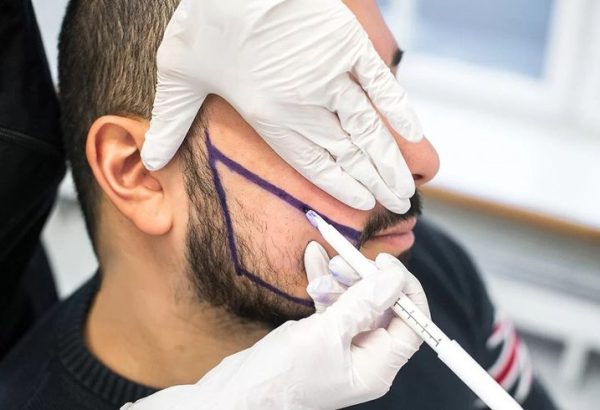
For many men, facial hair is more than just a style choice; it is a defining characteristic of their personal identity and masculine profile. However, genetics, scarring, or underlying medical conditions can often lead to patchy growth or a complete lack of facial hair. If you are struggling with these aesthetic challenges, understanding the process of a beard hair transplant in Dubai is the first step toward regaining your confidence. This procedure has evolved significantly, shifting from a niche cosmetic request to a highly refined surgical art. Today, advanced extraction and implantation techniques allow for the creation of dense, natural looking beards that blend seamlessly with your existing facial features and grow just like native hair.
The Biological Foundation of a Beard Hair Transplant in Dubai
Restoring facial hair requires a deep understanding of human hair biology. The hair on your scalp does not share the exact same characteristics as the hair on your face. Facial hair is typically coarser, thicker, and has a different growth cycle. The success of a restoration procedure relies on the surgeon’s ability to select donor hair that most closely mimics these native facial characteristics.
Donor Area Selection and Harvesting
The primary donor zone is usually the occipital region (the back of the head) or the sides of the scalp. These areas are genetically resistant to the hormones that cause male pattern baldness, ensuring that the transplanted hair will remain permanent. In some advanced cases where scalp hair is insufficient, hair from beneath the jawline or even body hair may be considered. The surgeon carefully assesses the caliber and texture of the donor hair to ensure it will look natural once placed on the cheeks, chin, or upper lip.
Extraction Modalities
The two primary methods utilized in modern clinical settings focus on minimizing trauma and maximizing graft survival.
-
Follicular Unit Extraction (FUE): This involves the individual extraction of hair follicles using a specialized microscopic punch tool. It leaves no linear scar, only tiny, dot like marks that become virtually invisible as they heal.
-
Direct Hair Implantation (DHI): A variation of FUE where extracted grafts are loaded into a specialized pen like tool. This allows the surgeon to control the depth, angle, and direction of the implant simultaneously, reducing the time the follicle spends outside the body.
Navigating Candidacy and Contraindications
Not every individual looking to enhance their facial hair is an immediate candidate for surgery. A comprehensive clinical evaluation is mandatory to ensure patient safety and long term graft viability.
Who Should Avoid the Procedure
There are specific medical realities that may disqualify a patient or require stabilization before surgery can proceed. These include:
-
Active Alopecia Areata: An autoimmune condition that causes unpredictable hair loss. Operating during an active flare up can result in the immediate loss of the newly transplanted grafts.
-
Severe Dermatological Conditions: Unmanaged psoriasis, severe cystic acne, or active eczema in the recipient area can compromise healing and increase the risk of infection.
-
Insufficient Donor Density: Patients with extensive scalp hair loss may not have enough viable donor hair to support both a scalp and a facial restoration.
-
Unrealistic Expectations: Patients must understand that while the procedure provides significant density, it is bound by the anatomical limits of their available donor supply.
The Reality of the Surgical Experience
Understanding the physical sensations and the exact nature of the surgery helps alleviate pre operative anxiety. A beard hair transplant is a meticulous, detail oriented process that requires patience from both the surgeon and the patient.
Sensations and Anesthesia Management
The procedure is performed entirely under local anesthesia. The most notable sensation occurs during the initial administration of the numbing agent to the donor and recipient areas, which presents as a brief stinging or pinching feeling. Once the anesthesia takes effect, the entire extraction and implantation process is painless. Patients typically feel only minor pressure or movement. Due to the duration of the surgery, which can take anywhere from four to eight hours depending on the required graft count, patients are encouraged to listen to music, watch movies, or simply sleep.
The Immediate Post Operative State
Directly after the procedure, the recipient area will appear red and slightly swollen. The newly implanted grafts will have tiny pinpoints of blood at their base, which will dry into small crusts over the following hours. The donor area will also be bandaged. Patients are discharged the same day with strict instructions on how to care for the delicate new grafts.
The Post Operative Timeline: What to Actually Expect
The healing journey following a beard hair transplant in Dubai requires strict adherence to clinical guidelines. Patients must navigate several distinct phases of recovery before seeing the final aesthetic outcome.
The First 72 Hours: Critical Protection
This is the most vulnerable period for the transplanted follicles. The grafts are securing themselves into the local blood supply and can be easily dislodged by friction or impact.
-
Patients must sleep in a semi upright position to minimize facial swelling and prevent the face from rubbing against the pillow.
-
A specialized saline spray is often provided to keep the recipient area hydrated and to aid in the healing of the microscopic incisions.
-
Direct sunlight, strenuous exercise, and hot environments must be strictly avoided to prevent sweating and potential infection.
The Shedding Phase: Understanding Shock Loss
Between the second and fourth week post surgery, patients experience a phenomenon known as “shock loss.” The newly transplanted hair shafts will begin to fall out. This is a completely normal physiological response to the trauma of extraction and implantation. The critical structure the follicle beneath the skin remains secure and active. This phase often causes unnecessary panic for uninformed patients, but it simply marks the transition of the follicle into a resting phase before new growth begins.
Maturation and Permanent Growth
True visible progress begins around the third or fourth month. Fine, thin hairs will start to push through the skin. Over the next several months, these hairs will gradually thicken and mature, taking on the coarser texture expected of facial hair. By the ninth to twelfth month, the patient will see the final, fully matured result. The new beard can be trimmed, shaved, and styled exactly like naturally occurring facial hair.
Strategic Design and Facial Mapping
The technical execution of graft extraction is only half the equation. The defining characteristic of an expert procedure is the artistic design of the beard itself. A poorly designed beard line will look artificial, regardless of how well the grafts survive.
Angulation and Directional Flow
Unlike scalp hair, which typically lifts away from the skin, facial hair grows at a very acute angle. It lies almost flush against the cheeks and jawline, usually at a 15 to 30 degree angle depending on the specific facial zone. If a surgeon implants the grafts at an incorrect, upward angle, the resulting growth will appear unnatural and spiky. True precision requires mirroring the exact directional flow of the native hair in that specific anatomical sector.
Density Gradients and Single Grafts
A natural beard does not feature a harsh, solid line of dense hair at the cheek or neck. Instead, it features a gradient. The uppermost edges of the beard line consist entirely of single hair follicular units, which softly transition into denser, multi hair units closer to the jaw and chin. Replicating this delicate gradient is essential for achieving a result that passes visual scrutiny even at a close distance.
Frequently Asked Questions
Will the transplanted hair look exactly like my native beard hair?
Initially, the transplanted hair may feel slightly different if it was sourced from the scalp. However, over time, as the follicle adapts to the local environment and blood supply of the face, the texture often shifts to closely mimic the surrounding native facial hair.
How soon can I safely shave after the procedure?
Patients are generally advised to avoid using a razor on the transplanted area for at least four weeks. Once the follicles are deeply anchored and the initial healing phase is complete, your medical team will clear you to resume normal shaving routines.
Are there visible scars left in the donor area?
Modern extraction techniques utilize microscopic punches, typically ranging from 0.7mm to 0.9mm in diameter. These create tiny, dot like marks that heal rapidly. Once the surrounding hair grows out even slightly, these marks become virtually undetectable to the naked eye.
Can this procedure correct patchy areas instead of creating a full beard?
Yes. The procedure is highly customizable. Many patients opt for targeted density enhancement to fill in specific bare patches on the cheeks, strengthen a weak mustache connection, or add volume to the goatee area.
What happens if I lose more natural hair in the future?
The transplanted hair is permanent because it is sourced from a genetically resistant zone. However, if you have ongoing, progressive hair loss affecting your native facial hair, you may experience future thinning in the untreated areas. This is why a comprehensive medical evaluation is necessary to predict future hair behavior.
Securing Your Facial Profile
The decision to undergo facial hair restoration is an investment in your personal image and confidence. While the technical demands of the procedure are high, the predictability and natural appearance of the results make it a highly rewarding endeavor when performed correctly. A successful outcome depends entirely on the biological understanding, artistic vision, and technical precision of the clinical team. By choosing to address your aesthetic concerns through a meticulously planned beard hair transplant in Dubai, you ensure a permanent, natural enhancement to your facial structure. If you are ready to evaluate your candidacy and explore the specific design options available for your unique facial profile, the medical professionals at Tajmeels Clinic are available to provide a detailed, clinical consultation.