
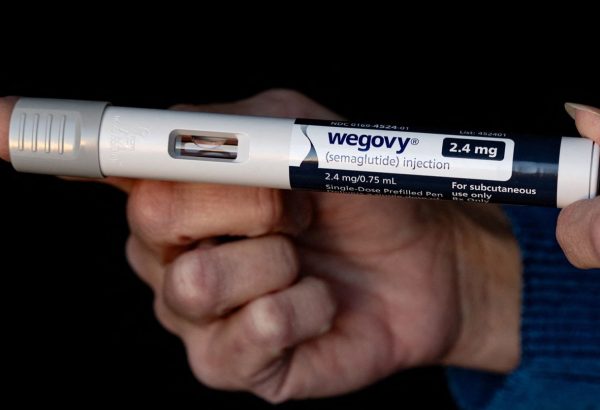
Weight management can be challenging because maintaining weight loss often requires continued attention to eating habits, physical activity, appetite patterns, and long-term lifestyle choices. For individuals using medical weight-management options, understanding what may happen after treatment is equally important as achieving initial weight loss. Dynamic Life Clinics provides access to modern aesthetic and wellness care for individuals exploring structured weight-management approaches. Wegovy Injection in Dubai is commonly considered for supporting weight management, but some people wonder whether stopping treatment can cause previously lost weight to return.
Understanding Wegovy Injection
Wegovy contains semaglutide, a medication that works on pathways involved in appetite regulation and food intake. It can help eligible individuals feel fuller for longer and reduce hunger, supporting a lower overall calorie intake when combined with appropriate lifestyle habits. Because its effects are connected to ongoing use, stopping treatment can change appetite and fullness patterns. Understanding this possibility helps individuals approach weight management as a long-term process rather than viewing medication as a temporary solution with guaranteed permanent results.
Can You Regain Weight After Stopping Wegovy Injection?
Yes, some people can regain part or even a significant portion of the weight they lost after stopping Wegovy. This does not mean that weight regain is unavoidable for everyone, but research indicates that weight regain can occur when treatment is discontinued. Appetite may increase again, feelings of fullness may change, and the body can respond to weight loss through biological mechanisms that encourage restoration of previous weight. For this reason, ongoing weight-management strategies are important after discontinuing treatment.
Why Can Weight Return After Stopping Wegovy?
Weight regain after stopping Wegovy can occur because the medication’s appetite-regulating effects are no longer being maintained. During treatment, reduced hunger and increased feelings of fullness may make it easier to maintain a calorie deficit. After discontinuation, appetite may gradually return toward previous patterns, making it harder for some individuals to maintain the same eating habits. In addition, the body naturally adapts to weight loss by influencing hunger, energy expenditure, and other biological signals, which can contribute to regaining weight.
Changes in Appetite and Eating Patterns
One important factor following discontinuation is the potential return of stronger hunger or cravings. While taking Wegovy, individuals may find it easier to control portion sizes and resist frequent eating because appetite can be reduced. After stopping, these effects may lessen, and previous eating patterns can become more difficult to manage. Developing practical habits around balanced meals, portion awareness, protein-rich foods, hydration, and mindful eating can therefore become especially important when maintaining weight without medication.
How Lifestyle Habits Affect Weight Maintenance
Long-term weight maintenance depends on more than medication alone. Regular physical activity, balanced nutrition, adequate sleep, stress management, and consistent daily routines can all influence the ability to maintain weight loss. Building sustainable habits while using treatment can make the transition after discontinuation more manageable. Rather than relying entirely on appetite suppression, individuals can gradually develop routines that support healthy food choices, appropriate portions, movement, and consistent energy balance throughout everyday life.
Key Factors That May Influence Weight Regain
- Changes in appetite and hunger after stopping medication.
- Previous eating habits returning over time.
- Level of physical activity and daily movement.
- Duration and amount of weight loss achieved during treatment.
- Consistency of long-term nutrition and lifestyle habits.
Can Weight Loss Be Maintained Without Wegovy?
Weight loss can be maintained without Wegovy, but the experience differs from person to person. Some individuals may successfully maintain their progress by establishing sustainable nutrition and activity habits, while others may find maintaining their reduced weight more challenging. A personalized approach can help identify practical strategies that fit individual needs and goals. Regular monitoring of weight, appetite, eating patterns, and lifestyle behaviors may also help identify changes early and allow adjustments before substantial regain occurs.
Importance of Long-Term Weight Management
Successful weight management should focus on maintaining healthier habits rather than achieving a particular number temporarily. Individuals who understand their eating triggers, establish consistent activity patterns, and develop realistic routines may have a stronger foundation for maintaining weight loss. Long-term planning is especially valuable after stopping medication because appetite and food preferences may change. Continued professional guidance can also help individuals understand their options and make informed decisions about their weight-management journey.
Strategies for Supporting Weight Maintenance
- Maintain balanced meals with appropriate portions and nutrient-dense foods.
- Include regular physical activity that can be sustained long term.
- Monitor changes in appetite, weight, and eating behaviors.
- Build consistent sleep and daily routines that support healthy habits.
- Seek professional guidance when significant weight changes occur.
What Should You Discuss Before Stopping Wegovy?
Stopping a prescription weight-management medication should be discussed with the healthcare professional overseeing treatment. Individual circumstances can influence whether discontinuation is appropriate and how weight management should continue afterward. A professional can review progress, appetite changes, health considerations, lifestyle habits, and future goals before recommending a suitable approach. Planning ahead can help reduce uncertainty and provide practical strategies for managing potential changes in hunger and weight following treatment discontinuation.
Factors That Influence Individual Outcomes
Weight regain after stopping Wegovy varies considerably between individuals. Factors such as starting weight, amount of weight lost, eating habits, physical activity, metabolic responses, treatment duration, and consistency with lifestyle changes can influence outcomes. Personal circumstances may also affect the ability to maintain weight independently. Because there is no single pattern that applies to everyone, ongoing assessment and individualized guidance can be valuable for supporting sustainable weight management and addressing changes early.
FAQ’s
Can you regain weight after stopping Wegovy?
Yes, some people regain weight after stopping Wegovy, particularly if appetite increases and previous eating patterns return.
Is weight regain guaranteed after stopping Wegovy?
No. Weight regain is possible but not inevitable, and long-term lifestyle habits can influence weight maintenance.
Why does appetite increase after stopping Wegovy?
The medication’s appetite-regulating effects decrease after discontinuation, which may allow hunger and previous eating patterns to return.
Can lifestyle changes help maintain weight loss?
Yes, balanced nutrition, regular activity, sleep, and consistent habits can support long-term weight maintenance.
Should you stop Wegovy without medical guidance?
Prescription treatment decisions should be discussed with the healthcare professional managing your weight-management plan.
Conclusion
Yes, weight regain can occur after stopping Wegovy, although the amount varies from person to person. Changes in appetite, eating patterns, physical activity, and the body’s natural response to weight loss can all influence what happens afterward. Building sustainable habits during and after treatment can support better long-term weight management. Wegovy Injection in Dubai may be part of a structured weight-management approach, while semaglutide weight management should be considered alongside professional guidance and sustainable lifestyle strategies for maintaining progress.