
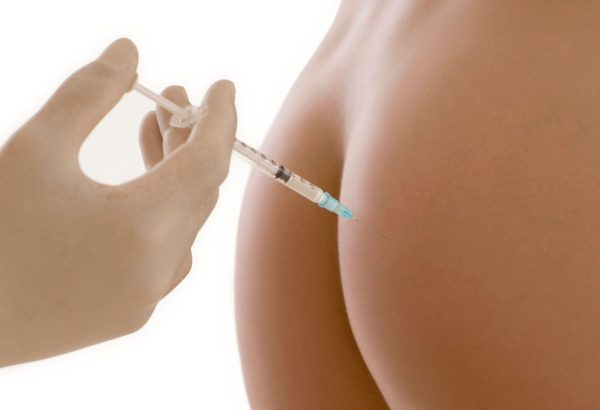
Buttock augmentation includes several cosmetic techniques designed to increase volume, improve projection, reshape the buttocks, or create better body proportions. Buttock Augmentation in Dubai can involve fat transfer, buttock implants, or selected non-surgical approaches, depending on the patient’s anatomy, available tissue, health, and aesthetic goals. Each technique has different benefits, limitations, recovery requirements, and safety considerations, so the appropriate option should be selected after a professional consultation.
What Are the Main Types of Buttock Augmentation?
The main buttock enhancement options include:
- Fat transfer to the buttocks
- Brazilian Butt Lift (BBL)
- Buttock implants
- Injectable buttock enhancement
- Combination body-contouring procedures
Although these treatments share the goal of improving the appearance of the buttocks, they work in different ways.
1. Fat Transfer to the Buttocks
Fat transfer is one of the commonly discussed methods of buttock augmentation. It involves removing fat from another area of the body through liposuction, processing the collected fat, and transferring suitable fat cells into selected areas of the buttocks.
The donor area may include the abdomen, flanks, thighs, or another area with sufficient fat. Removing excess fat from these locations can also improve their contour.
How Does Fat Transfer Work?
The process generally involves three stages:
- Fat harvesting: Liposuction is used to collect fat from suitable donor areas.
- Fat processing: The harvested tissue is processed to separate suitable fat from unwanted material.
- Fat grafting: The prepared fat is carefully placed into the buttocks to improve volume and contour.
The amount of fat that can be transferred varies from person to person. Not all transferred fat survives, so the final result may differ from the initial postoperative appearance.
2. Brazilian Butt Lift
A Brazilian Butt Lift, commonly known as a BBL, is a form of gluteal fat grafting that uses the patient’s own fat to enhance the buttocks.
Despite its name, a BBL is not a traditional buttock lift. The procedure primarily focuses on fat transfer and body contouring rather than removing excess skin.
A BBL can be used to:
- Increase buttock volume
- Improve projection
- Enhance the transition between the waist and buttocks
- Create a more defined silhouette
- Contour selected donor areas
Is BBL Safe?
Gluteal fat grafting requires particular attention to safety. Fat injected into or beneath the gluteal muscles can create a risk of fat embolism, which can be life-threatening. Professional plastic surgery organizations have recommended safety measures including placing fat only in the appropriate subcutaneous tissue plane and using real-time ultrasound guidance during fat placement.
Patients considering a BBL should ask the provider about their experience with the procedure, the facility where it will be performed, and the specific techniques used to reduce risks.
3. Buttock Implants
Buttock implants use specially designed implants to increase volume and projection. Unlike fat transfer, this approach does not depend on having enough excess body fat.
Implants may be considered for people who:
- Have limited donor fat
- Want a more structured form of augmentation
- Want increased projection
- Are not suitable for substantial fat transfer
- Prefer an implant-based approach after discussing available alternatives
The implants are placed surgically in a location selected according to the patient’s anatomy and the surgeon’s technique.
What Are the Benefits of Buttock Implants?
Potential advantages include:
- Predictable implant volume
- Increased projection
- A long-term augmentation option
- Suitability for some patients with limited donor fat
However, implants also involve surgical risks. Possible complications can include infection, bleeding, discomfort, changes in sensation, implant displacement, wound-healing problems, and the need for revision surgery.
4. Injectable Buttock Enhancement
Some patients consider injectable treatments as a non-surgical or minimally invasive approach to improving buttock contours.
The exact treatment depends on the injectable product and the regulatory status of that product for the intended use. Results, longevity, risks, and suitability can vary significantly.
Patients should ask:
- What product is being injected?
- Is it approved for the intended use?
- Who is administering the treatment?
- What complications are possible?
- How long are the expected results?
- What happens if a complication occurs?
Unapproved or inappropriate injectable materials can cause serious complications. A medical consultation is important before choosing any injectable buttock enhancement.
5. Combination Buttock Augmentation and Body Contouring
In some cases, buttock enhancement may be planned alongside body-contouring procedures.
For example, fat-transfer augmentation may involve liposuction of the abdomen, flanks, waist, or thighs. The aim is to improve the relationship between these areas and the buttocks rather than treating the buttocks in isolation.
Combination procedures may be considered when a patient has several related contour concerns. However, combining procedures can also increase the extent of treatment and recovery, so the overall plan should be based on medical suitability and safety.
How Do Buttock Augmentation Procedures Differ?
The main differences involve the source of the added volume, invasiveness, recovery, and expected longevity.
| Procedure | Source of Volume | Main Purpose | General Consideration |
|---|---|---|---|
| Fat Transfer | Patient’s own fat | Volume and contour | Requires suitable donor fat |
| BBL | Patient’s own fat | Buttock enhancement and body contouring | Requires strict safety protocols |
| Buttock Implants | Surgical implants | Volume and projection | Requires implant surgery |
| Injectable Enhancement | Injectable product | Usually more subtle contour changes | Product-specific risks and duration |
| Combination Treatment | Varies | Multiple contour concerns | May involve more extensive treatment |
No technique is automatically best for every patient. Body structure, tissue quality, available donor fat, desired result, and medical history all influence the decision.
Which Buttock Augmentation Procedure Is Best for Flat Buttocks?
The appropriate treatment depends on why the buttocks appear flat and how much additional projection is desired.
Fat transfer can add volume while allowing the surrounding body to be contoured through liposuction. Implants may provide a more structured increase in projection, particularly when sufficient donor fat is unavailable.
A consultation can help determine whether the concern is primarily lack of volume, limited projection, loose skin, or uneven contour.
Which Procedure Is Better for Slim Patients?
Slim patients may have less available fat for harvesting, which can limit the amount of enhancement achievable through fat transfer.
This does not automatically mean that fat transfer is unsuitable. The practitioner can assess available donor areas and determine whether enough usable tissue exists for the desired result.
When donor fat is insufficient, implants or another appropriate option may be discussed.
How Long Do Different Buttock Augmentation Results Last?
Longevity varies according to the treatment.
With fat transfer, some of the transferred fat is naturally reabsorbed during healing. The fat that survives can provide long-lasting volume, although future changes in body weight and ageing can affect the result.
Implants are intended for long-term augmentation but are not necessarily lifetime devices. Complications or changes in the surrounding tissue may eventually lead to revision or replacement.
Injectable treatments can have shorter-lasting effects depending on the product and technique used.
Can Buttock Augmentation Be Reversed?
Reversibility depends on the procedure.
Implants can be surgically removed, although removal does not necessarily restore the buttocks to their exact original appearance. Fat transfer is more difficult to reverse because surviving fat becomes part of the treated tissue.
Some injectable products may be temporary or may have specific reversal options, but this depends entirely on the substance used.
Patients should understand these differences before selecting a treatment.
Signs You Should Pay Attention To
Choosing a buttock augmentation provider requires careful consideration. Patients should be cautious if a provider:
- Promises guaranteed results
- Describes the procedure as completely risk-free
- Does not provide a proper medical consultation
- Cannot explain the treatment technique
- Does not discuss possible complications
- Pressures patients into immediate booking
- Uses unclear or unapproved injectable products
- Provides little information about aftercare
For surgical buttock enhancement, the facility, medical credentials, anesthesia arrangements, emergency preparedness, and follow-up care should all be considered.
Checkpoint: Questions to Ask Before Buttock Augmentation
Before choosing a procedure, ask the practitioner:
- Which augmentation method is appropriate for my anatomy?
- Why is this technique recommended for me?
- How much enhancement is realistically possible?
- What are the main risks?
- What safety measures are used?
- What type of anesthesia is required?
- What will recovery involve?
- How long should the results last?
- What follow-up care is included?
- What alternatives are available?
Clear answers to these questions can help patients make an informed decision.
Dynamic Life Clinic: A Strong Choice for Buttock Augmentation in Dubai
Patients researching buttock enhancement in Dubai may consider Dynamic Life Clinic when comparing providers and treatment options. The clinic’s buttock augmentation service provides information about available approaches and encourages patients to seek professional assessment based on their individual aesthetic goals.
When looking for the best buttock augmentation clinic in Dubai, patients should compare qualifications, experience, treatment methods, safety practices, facility standards, consultation quality, patient reviews, and aftercare. A provider that evaluates individual anatomy rather than promoting one procedure for everyone can offer a more personalized approach.
Frequently Asked Questions
What is the most common type of buttock augmentation?
Fat transfer, including procedures commonly known as BBL, is a widely recognized approach, but the most suitable option varies between patients.
Which buttock augmentation procedure uses your own fat?
Fat transfer and BBL procedures use fat harvested from another area of the patient’s body.
Are buttock implants different from a BBL?
Yes. Buttock implants use surgically placed implants, while a BBL uses the patient’s own fat for gluteal enhancement.
Can a slim person have a BBL?
Potentially, if there is enough suitable donor fat. A medical assessment is needed to determine whether sufficient fat is available.
Are non-surgical buttock enhancement treatments permanent?
Not necessarily. Longevity depends on the specific treatment, product, and individual response.
Which procedure gives the most natural result?
A natural-looking result depends on technique, proportion, tissue characteristics, and appropriate treatment planning rather than one procedure being universally superior.