
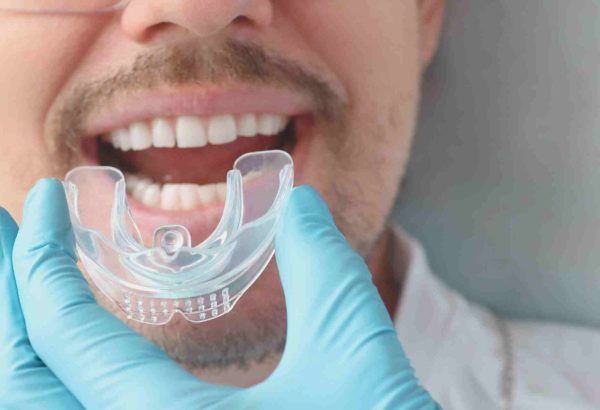
Protecting your teeth is about more than brushing and flossing every day. Some people unconsciously grind or clench their teeth, while others need protection during sports or physical activities. A simple dental appliance can help reduce these risks and support better oral health. If you are considering Mouth Guards in Dubai, understanding what they are, how they work, and who may benefit from them can help you make a more informed decision.
What Are Mouth Guards?
A mouth guard is a removable dental appliance designed to cover and protect the teeth. Depending on its purpose, it can help cushion the teeth against impact, reduce pressure caused by grinding, or prevent unwanted contact between the upper and lower teeth.
Mouth guards come in different forms, including ready-made versions, boil-and-bite options, and professionally customized appliances. The best choice depends on why you need one, how frequently you plan to use it, and how comfortably it fits your mouth.
How Do Mouth Guards Work?
Mouth guards create a protective layer between your teeth. During sports, this layer can absorb some of the force from accidental impacts. For people who grind or clench their teeth at night, a suitable guard can reduce direct tooth-to-tooth contact and help minimize excessive pressure.
A properly fitted appliance should feel comfortable without interfering significantly with breathing or normal jaw movement. This is one reason personalized options may be preferred over generic products.
Who Can Benefit From a Mouth Guard?
Not everyone necessarily needs a mouth guard, but several groups may benefit from using one. Athletes involved in contact or high-impact sports are among the most common users because dental injuries can occur unexpectedly.
People who grind or clench their teeth may also benefit from nighttime protection. Teeth grinding can place repeated stress on enamel and may contribute to tooth sensitivity, jaw discomfort, headaches, or worn teeth. If these signs occur regularly, discussing your symptoms with a dental professional can help determine whether a mouth guard is appropriate.
Signs You May Need One
Certain everyday symptoms may suggest that additional dental protection could be useful. These can include waking with jaw tightness, noticing flattened or worn tooth surfaces, experiencing unexplained tooth sensitivity, or frequently biting the inside of your cheeks.
For athletes, the need may be more straightforward. If your activity involves physical contact, falls, or fast-moving equipment, wearing an appropriate protective appliance can reduce the likelihood of certain dental injuries.
Choosing the Right Type of Protection
Different mouth guards serve different purposes. A sports guard is designed primarily to protect against physical impact, while a night guard is generally intended to reduce the effects of clenching and grinding during sleep.
Comfort and fit are especially important. An appliance that feels bulky or constantly shifts may be difficult to wear consistently. When exploring Mouth Guards in Dubai, consider the intended purpose, fit, material, durability, and ease of cleaning before making a choice.
Why Proper Fit Matters
A poorly fitting mouth guard may feel uncomfortable and may not provide the protection you expect. A customized appliance is designed around the individual’s dental structure, which can provide a more secure and comfortable fit.
Dynamic Clinic emphasizes the importance of choosing dental protection that suits the person’s specific needs rather than treating every situation the same way. Regular cleaning and proper storage are also essential for maintaining hygiene and extending the useful life of the appliance.
How to Care for Your Mouth Guard
Good maintenance can help keep your appliance clean and comfortable. Rinse it with cool or lukewarm water after use and allow it to dry completely before placing it in a ventilated protective case. Avoid exposing it to very hot water, as excessive heat may alter its shape.
Inspect the appliance regularly for cracks, thinning, sharp edges, or changes in fit. Children and teenagers may also need replacement appliances as their mouths and teeth develop.
Are Mouth Guards Necessary for Everyone?
Not necessarily. Whether you need one depends on factors such as teeth grinding, sports participation, dental history, and individual risk. A dental professional can assess your situation and recommend whether a mouth guard would be beneficial.
A protective appliance should complement—not replace—good oral hygiene and routine dental care. Brushing, flossing, regular checkups, and addressing dental problems early remain essential for maintaining healthy teeth and gums.
Protect Your Smile With the Right Choice
A mouth guard can be a practical way to protect teeth from repeated pressure or unexpected impact. The key is selecting an appliance that matches your specific needs and fits comfortably enough for consistent use. Whether you need protection during sports or overnight support against grinding, understanding your options is the first step.
With the right guidance, Mouth Guards can become a useful part of a proactive approach to protecting your smile and maintaining long-term oral comfort.