
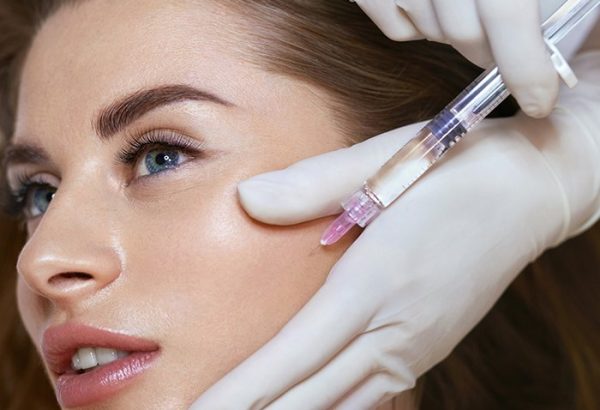
Skin booster injections are increasingly considered by people who want to improve hydration, texture, elasticity, and overall skin quality without significantly changing their facial features. Skin Booster injection Dubai treatments can involve multiple small injections into the skin, so temporary sensitivity may occur after the procedure. While mild redness, tenderness, swelling, or a feeling of warmth can be part of the normal recovery process, individual reactions vary depending on the person’s skin, the product used, injection technique, and overall health.
What Causes Sensitivity After Skin Booster Injections?
Sensitivity after a skin booster treatment can occur because the skin has been exposed to multiple small needle punctures. Even when the procedure is performed carefully, the injection process temporarily disturbs the skin.
The body naturally responds to this minor irritation as the treated area begins to recover. Some people may notice tenderness or increased sensitivity when touching the skin, while others may experience mild redness or swelling.
The ingredients in the skin booster can also influence how the skin responds. Different formulations have different compositions, concentrations, and properties, so reactions are not necessarily the same for every product.
Is Mild Sensitivity Normal After Treatment?
Mild sensitivity can occur following skin booster injections. The treated area may feel slightly tender, tight, warm, or more sensitive than usual during the early recovery period.
These temporary effects can occur around the injection points and may gradually settle as the skin recovers.
Common short-term reactions can include:
- Mild tenderness
- Slight redness
- Minor swelling
- Small bumps around injection points
- Temporary warmth
- Mild itching
- Minor bruising
The severity and duration of these effects differ from person to person. Following the aftercare instructions provided by the treating professional is important during recovery.
Can Sensitive Skin Receive Skin Booster Injections?
Having sensitive skin does not automatically mean that a person cannot receive skin booster injections. However, people with sensitive skin may require a more careful assessment before treatment.
The practitioner should determine whether the skin is currently stable enough for an injectable procedure. Active irritation, inflammation, infection, or significant skin barrier damage may make it appropriate to postpone treatment.
During consultation, patients should discuss previous reactions to aesthetic procedures, known allergies, current skincare products, medications, and existing skin concerns.
A personalised approach can help determine whether the treatment is appropriate and what precautions may be necessary.
Why Is a Skin Assessment Important?
A proper consultation helps identify factors that could increase the likelihood of irritation or complications.
A qualified practitioner may assess:
- Skin type and current condition
- Existing redness or inflammation
- Previous injectable treatments
- History of allergic reactions
- Current medications
- Known allergies
- Active acne or skin infection
- Previous sensitivity to cosmetic products
This information can help the practitioner decide whether treatment is suitable, whether additional precautions are needed, or whether another treatment may be more appropriate.
Can the Skin Booster Product Cause Sensitivity?
The product itself may contribute to a reaction in some individuals. Injectable skin boosters can contain different formulations, and not all products have identical ingredients.
Hyaluronic acid is commonly used in many skin boosters because of its ability to attract and retain water. However, the complete formulation may contain additional components.
It is important to know what product is being used and why it has been selected. Patients should feel comfortable asking the practitioner about the product, its intended purpose, potential side effects, and any relevant precautions.
A reaction does not necessarily mean that a person is allergic to the primary ingredient. Irritation from the injection process and a reaction to an ingredient are different possibilities that require professional assessment.
How Long Can Sensitivity Last?
The duration of sensitivity varies depending on the treatment area, injection technique, product, and individual response.
Some people may experience mild tenderness or redness for a short period after treatment, while others may notice minor effects for several days.
Recovery can also be influenced by individual skin characteristics and how closely aftercare instructions are followed.
Patients should avoid assuming that every reaction has the same recovery timeline. If symptoms persist, become more noticeable, or cause concern, contacting the treating practitioner is appropriate.
Does Skin Booster Treatment Make the Skin More Sensitive Permanently?
Skin booster injections are not generally intended to cause permanent skin sensitivity. Temporary sensitivity can occur because of the injections and the skin’s response during recovery.
Once the treated area has settled, the skin should generally return to its usual level of sensitivity.
However, persistent sensitivity should not simply be ignored. If the skin continues to feel painful, irritated, unusually warm, or increasingly inflamed, professional assessment is recommended.
Can Dubai’s Climate Affect Skin Sensitivity?
Environmental conditions can influence how comfortable the skin feels following an injectable treatment. Dubai’s hot climate, strong sunlight, outdoor heat, and frequent exposure to air conditioning can contribute to dryness or irritation in some individuals.
After treatment, protecting the skin from excessive environmental exposure can be particularly useful. Patients should follow the specific aftercare advice provided by their practitioner because recommendations may differ depending on the product and treatment area.
Maintaining a gentle skincare routine can also help avoid unnecessary irritation while the skin recovers.
What Should You Avoid After Skin Booster Injections?
Aftercare recommendations depend on the specific treatment, but patients are generally advised to avoid unnecessary irritation of the treated area.
Depending on professional guidance, this may include avoiding:
- Excessive rubbing or touching
- Harsh skincare products
- Aggressive exfoliation
- Unnecessary pressure on the treated area
- Activities specifically restricted by the treating practitioner
Patients should not introduce new active skincare ingredients immediately after treatment unless their healthcare professional advises that it is appropriate.
The safest approach is to follow the personalised instructions provided after the procedure.
Can Skincare Products Increase Sensitivity After Treatment?
The skin may temporarily become more reactive following injections. Using strong exfoliating acids, retinoids, or other potentially irritating products too soon may increase discomfort for some people.
A simple routine may be more appropriate during the initial recovery period, depending on professional advice.
Patients should ask their practitioner when they can safely resume their usual skincare routine, particularly if they regularly use active ingredients or prescription products.
Can Skin Booster Injections Cause an Allergic Reaction?
Allergic reactions are possible with medical and cosmetic products, although the risk depends on the formulation and individual circumstances.
A true allergic reaction can differ from normal post-injection redness or tenderness. Symptoms that appear severe, widespread, rapidly worsening, or unusual should be assessed promptly.
Patients should disclose known allergies before treatment and ask about the ingredients in the product being considered.
Never assume that a significant reaction is simply a normal part of recovery.
Signs You Should Pay Attention To
Most mild post-treatment effects are temporary, but certain symptoms require greater attention.
Contact a qualified healthcare professional promptly if you experience:
- Severe or increasing pain
- Rapidly increasing swelling
- Spreading redness
- Significant warmth accompanied by worsening discomfort
- Unusual skin colour changes
- Pus or other signs of infection
- Difficulty breathing or other symptoms of a serious allergic reaction
- Symptoms that continue to worsen rather than improve
- Any reaction that appears unusual or concerning
Urgent medical care should be sought for severe symptoms, particularly breathing difficulties or other signs of a potentially serious allergic reaction.
Checkpoint: How Can You Reduce the Risk of Sensitivity?
There is no way to guarantee that an injectable treatment will cause no reaction. However, careful patient assessment and appropriate clinical practice can help reduce avoidable risks.
Before treatment, consider whether the provider:
- Performs a proper consultation
- Reviews your medical history
- Asks about allergies and medications
- Explains the product being used
- Discusses possible side effects
- Uses appropriate hygiene procedures
- Provides clear aftercare instructions
- Gives realistic information about expected results
Avoid choosing an injectable treatment solely because it is heavily advertised or trending online. The suitability of the procedure should be based on your individual skin and medical circumstances.
Are Skin Boosters Suitable for People With Skin Conditions?
The answer depends on the specific condition. Active inflammation, infection, severe irritation, or certain dermatological problems may require treatment before an aesthetic injectable procedure is considered.
People with recurring skin sensitivity should discuss their concerns during consultation rather than assuming that a skin booster will be suitable.
A qualified medical professional can determine whether the skin is in an appropriate condition for treatment or whether it would be safer to wait.
Can Skin Boosters Improve Skin Quality Despite Temporary Sensitivity?
The purpose of a skin booster is generally to improve aspects of skin quality such as hydration, smoothness, elasticity, and radiance.
Temporary sensitivity does not necessarily mean that the treatment has been unsuccessful. The skin can experience short-term irritation from the injection process while subsequently settling and responding to the treatment.
Expectations should remain realistic because results vary and skin boosters are not designed to correct every skin concern.
Choosing the Best Skin Booster Dubai Provider
When searching for the Best Skin Booster Dubai, patients should consider professional qualifications, treatment experience, product quality, consultation standards, hygiene, and aftercare rather than relying only on promotional claims.
A reputable provider should explain what the treatment is designed to achieve and what it cannot achieve. Patients should also receive information about possible side effects and know whom to contact if an unexpected reaction develops.
The best treatment choice depends on the individual’s skin condition, medical history, treatment goals, and suitability for the selected product.
Conclusion
Skin booster injections can cause temporary sensitivity because the procedure involves multiple small injections into the skin. Mild tenderness, redness, swelling, warmth, or small bumps may occur during the early recovery period and can gradually settle. People with sensitive skin may still be suitable candidates, but careful assessment is particularly important. Active inflammation, infection, allergies, previous reactions, and other relevant factors should be discussed before treatment. Understanding the product, choosing a qualified practitioner, following appropriate aftercare, and recognising warning signs can help patients approach skin booster treatment more safely. Any severe, unusual, or worsening reaction should be assessed by a healthcare professional rather than being assumed to be a normal side effect.
Frequently Asked Questions
1. Can skin booster injections cause sensitivity?
Yes. Temporary sensitivity, tenderness, redness, swelling, or warmth can occur after injections. The severity and duration vary between individuals.
2. Is sensitive skin suitable for skin boosters?
Sensitive skin does not automatically rule out treatment. However, a professional assessment is important to determine whether the skin is suitable for injections.
3. How long does sensitivity last after skin boosters?
Mild sensitivity may settle as the skin recovers. The exact duration varies depending on the product, treatment area, injection technique, and individual response.
4. Can hyaluronic acid skin boosters cause irritation?
The injection process itself can cause temporary irritation. Reactions can also vary depending on the formulation and individual sensitivity.
5. Is redness normal after skin booster injections?
Mild redness around injection points can occur. Severe, spreading, or worsening redness should be assessed by a healthcare professional.