
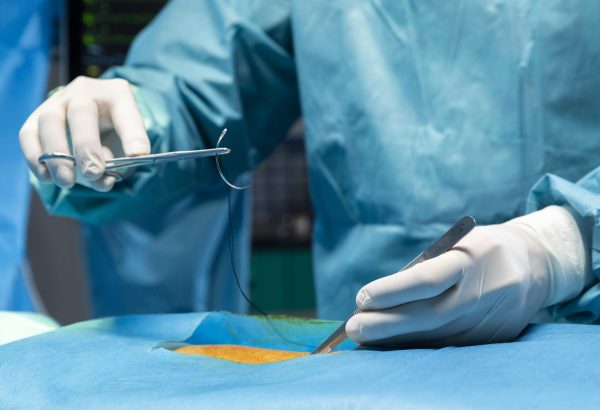
Laparoscopic surgery has become a cornerstone of modern medicine due to its minimally invasive approach and remarkable versatility. This technique allows surgeons to perform a wide range of procedures using small incisions, a camera, and specialized instruments, offering patients reduced recovery times and minimal scarring. Unlike traditional open surgery, laparoscopic methods can be applied to many areas of the body, including the abdomen, pelvis, and even chest. For individuals seeking advanced medical care, Laparoscopic Surgery in Dubai provides access to state-of-the-art technology and highly skilled surgical teams capable of performing these procedures with precision and safety.
Common Laparoscopic Procedures
Laparoscopic surgery is used across multiple medical specialties due to its adaptability. Some of the most common procedures include:
Gallbladder Removal (Cholecystectomy)
One of the most frequently performed laparoscopic procedures is gallbladder removal. Patients suffering from gallstones, chronic inflammation, or gallbladder dysfunction can benefit from this minimally invasive approach. Through a few small incisions, the surgeon can remove the gallbladder with minimal disruption to surrounding tissues, significantly reducing postoperative pain and recovery time compared to open surgery.
Appendectomy
Laparoscopic appendectomy is the standard treatment for acute appendicitis. Instead of a large incision in the lower abdomen, surgeons use small incisions and a camera to locate and remove the inflamed appendix. Patients experience faster healing, fewer complications, and smaller scars, which are particularly appealing for younger patients.
Hernia Repair
Inguinal, umbilical, and hiatal hernias can often be repaired laparoscopically. The surgeon uses a camera to view the hernia site and inserts surgical mesh or sutures to reinforce the weakened area. This approach results in less pain, a shorter hospital stay, and a faster return to normal activities compared to traditional open hernia repair.
Bariatric Surgery
For patients seeking weight loss solutions, laparoscopic bariatric procedures such as gastric sleeve, gastric bypass, or gastric banding are highly effective. Using small incisions, surgeons can reduce the stomach’s size or reroute the digestive system with precision. Laparoscopic techniques reduce the risk of infection, shorten recovery time, and allow patients to begin dietary adjustments more quickly.
Gynecological Procedures
Laparoscopic surgery is widely used in gynecology for procedures like hysterectomy, ovarian cyst removal, endometriosis treatment, and tubal ligation. The minimally invasive method reduces recovery times, minimizes scarring, and allows women to resume normal activities sooner than with open abdominal surgery.
Gastrointestinal Surgeries
Many gastrointestinal conditions, including colon resection, diverticulitis treatment, and anti-reflux procedures, can be treated laparoscopically. By utilizing small incisions and a camera for detailed visualization, surgeons can perform complex procedures with reduced trauma to surrounding tissues, leading to improved outcomes and fewer complications.
Advanced Laparoscopic Procedures
Beyond common procedures, laparoscopic surgery has expanded into more advanced areas:
-
Liver and Pancreatic Surgery: Certain liver resections and pancreatic procedures can be performed laparoscopically in specialized centers.
-
Kidney Surgery: Partial nephrectomy or kidney removal can be performed using minimally invasive techniques.
-
Thoracic Surgery: Some procedures in the chest, such as lung biopsies or minor lung resections, can be done laparoscopically or with similar minimally invasive techniques.
These advanced applications demonstrate how laparoscopic surgery continues to evolve, offering patients more treatment options with less disruption to their lives.
Advantages Across Procedures
Regardless of the type of procedure, laparoscopic surgery shares consistent advantages:
-
Smaller incisions and minimal scarring
-
Reduced postoperative pain and discomfort
-
Shorter hospital stays
-
Faster recovery and quicker return to normal activities
-
Lower risk of infection and complications
-
Precise surgical outcomes due to high-definition imaging
These benefits make laparoscopic surgery particularly appealing for both elective and urgent procedures, allowing patients to undergo complex surgeries without the drawbacks associated with traditional open methods.
Patient Considerations
Not every patient or condition is suitable for laparoscopic surgery. Factors such as previous abdominal surgeries, scar tissue, obesity, or certain medical conditions may necessitate open surgery. A thorough evaluation by a qualified surgeon ensures that the procedure selected is both safe and effective. Patients should discuss their medical history, expectations, and recovery goals during the preoperative consultation.
Conclusion
Laparoscopic surgery offers a wide range of surgical options, from gallbladder removal and appendectomy to advanced gastrointestinal, gynecological, and bariatric procedures. Its minimally invasive nature reduces pain, shortens recovery time, and improves cosmetic outcomes, making it an ideal choice for many patients. Those seeking the Best Laparoscopic Surgery Dubai can take advantage of modern facilities, experienced surgeons, and advanced technology to ensure safe, effective, and precise surgical care. With its expanding applications and proven benefits, laparoscopic surgery continues to redefine the standards of modern surgical practice.