
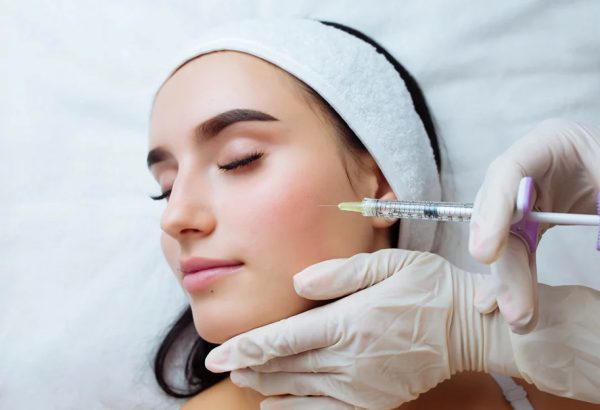
How Dermal Fillers Injections are evaluated in research is a key focus in modern aesthetic medicine, as it helps ensure safety, effectiveness, and long-term patient satisfaction. This field examines how injectable treatments perform under controlled scientific conditions, including tissue response, aesthetic outcomes, and durability of results. In clinical settings, including practices such as Dynamic Clinic, research-based evaluation standards help align treatment outcomes with globally accepted medical benchmarks.
Dermal Fillers Injections in Dubai are often studied through structured clinical protocols that measure both objective and subjective improvements in facial volume and skin quality.
Research Framework Used in Dermal Filler Studies
Dermal filler research typically follows structured frameworks designed to assess safety and aesthetic effectiveness over time. These frameworks ensure consistency across different patient groups and product types.
Common research frameworks include:
- Randomized controlled trials (RCTs) comparing filler types or techniques
- Prospective cohort studies tracking long-term outcomes
- Split-face studies for direct side-by-side comparison
- Observational post-market surveillance for real-world safety data
These approaches help researchers isolate variables such as injection depth, product composition, and treatment area response.
Key Outcome Measures in Evaluation
The evaluation of dermal fillers relies on clearly defined outcome measures that reflect both clinical performance and patient satisfaction. Researchers combine subjective assessments with standardized grading scales.
Key outcome indicators include:
- Volume restoration and facial contour improvement
- Skin elasticity and hydration changes
- Duration of aesthetic effect over time
- Patient-reported satisfaction scores
- Investigator-rated aesthetic improvement scales
Standardized tools such as the Global Aesthetic Improvement Scale (GAIS) are widely used to maintain consistency in results reporting.
Objective Imaging and Measurement Tools
Modern research increasingly depends on imaging technology and digital analysis to reduce subjective bias. These tools provide quantifiable data on treatment results.
Frequently used methods include:
- 3D facial imaging systems to measure volume changes
- Ultrasound imaging for filler placement and distribution
- Digital photography with standardized lighting conditions
- Skin topography analysis for texture and wrinkle depth evaluation
These technologies allow researchers to compare pre- and post-treatment changes with high precision, improving the reliability of study outcomes.
Safety and Biocompatibility Evaluation
Safety assessment is a core part of dermal filler research, focusing on how the body reacts to injected materials over time. Studies are designed to monitor both immediate and delayed responses.
Key safety evaluation points include:
- Incidence of swelling, bruising, or inflammation
- Long-term tissue compatibility
- Risk of nodules or irregularities
- Immune response or hypersensitivity reactions
- Vascular safety and injection-related complications
Researchers also evaluate product degradation patterns to ensure predictable absorption and minimal adverse reactions.
Statistical and Data Analysis in Research
Data analysis plays a critical role in interpreting dermal filler research findings. Advanced statistical models are used to ensure results are scientifically valid and reproducible.
Common analytical methods include:
- Comparative statistical testing between treatment groups
- Longitudinal analysis for tracking results over time
- Regression models to identify influencing factors
- Confidence interval reporting for outcome reliability
These methods help validate whether observed improvements are statistically significant or clinically meaningful.
Real-World Evidence in Aesthetic Practice
Beyond controlled clinical trials, real-world evidence (RWE) provides insights into how dermal fillers perform in everyday clinical environments. This type of data is particularly relevant in diverse populations such as those seen in Dubai.
Real-world evaluation focuses on:
- Treatment outcomes across different skin types and ages
- Practitioner technique variations and their effects
- Patient lifestyle factors influencing results
- Long-term satisfaction outside clinical trial settings
This data complements formal research and helps refine treatment protocols for more personalized care approaches.
Ethical Standards in Dermal Filler Research
Ethical considerations ensure that dermal filler studies prioritize patient safety and informed participation. Research protocols are typically reviewed by independent ethics committees before approval.
Key ethical requirements include:
- Informed consent from all participants
- Transparent reporting of side effects
- Data privacy protection
- Compliance with international clinical guidelines
These standards maintain trust in aesthetic medicine research and ensure responsible innovation.
Conclusion
Dermal filler research evaluation combines clinical measurement, imaging technologies, and patient-centered outcomes to create a comprehensive understanding of treatment effectiveness. By integrating scientific rigor with real-world data, researchers develop safer and more predictable injectable solutions that support evolving aesthetic needs in modern dermatology.