
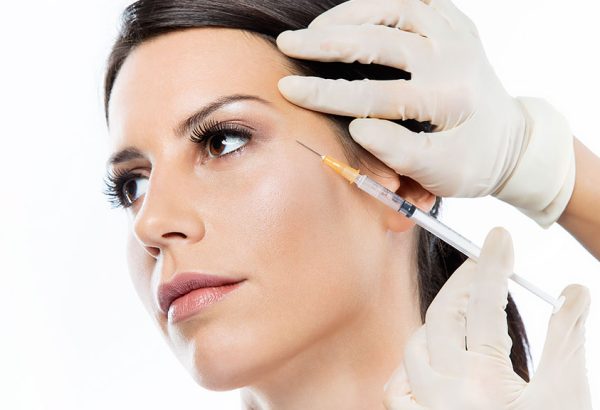
Non-surgical cosmetic treatments have become increasingly popular among people who want to maintain youthful and refreshed skin without undergoing invasive procedures. Two of the most well-known aesthetic treatments are Botox and dermal fillers. Although they are both injectable treatments designed to improve facial appearance, they work in completely different ways. In today’s growing beauty industry, Botox Injection Dubai procedures are often compared with dermal fillers by individuals trying to choose the most suitable option for their skincare goals.
Understanding the differences between Botox and dermal fillers is important because each treatment targets different concerns. While Botox focuses mainly on relaxing facial muscles, dermal fillers are designed to restore lost volume and enhance facial contours.
What Is Botox?
Botox is a purified protein that temporarily relaxes targeted facial muscles. It works by blocking the nerve signals responsible for muscle contractions. Since repeated facial expressions contribute to wrinkles over time, relaxing these muscles helps soften lines and prevent them from becoming deeper.
Botox is mostly used for dynamic wrinkles. These are wrinkles caused by repeated facial movements such as smiling, frowning, or squinting. Common treatment areas include the forehead, crow’s feet around the eyes, and frown lines between the eyebrows.
The main purpose of Botox is to reduce muscle activity that creates visible expression lines.
What Are Dermal Fillers?
Dermal fillers are injectable substances used to add volume beneath the skin. Unlike Botox, fillers do not relax muscles. Instead, they help restore fullness in areas where volume loss has occurred due to aging or natural facial structure.
Many dermal fillers contain hyaluronic acid, a substance naturally found in the body that helps maintain skin hydration and volume. Fillers can improve facial contours, smooth deep creases, and enhance certain facial features.
Common filler treatment areas include:
- Cheeks
- Lips
- Nasolabial folds
- Jawline
- Chin
- Under-eye hollows
Fillers are often chosen to create a fuller, lifted, or more sculpted appearance.
The Main Difference Between Botox and Fillers
The biggest difference between Botox and dermal fillers is how they work beneath the skin.
Botox relaxes muscles to reduce wrinkles caused by facial movement. Dermal fillers add volume to areas that appear hollow, thin, or sagging.
For example, forehead lines caused by muscle movement are typically treated with Botox. On the other hand, hollow cheeks or thin lips are generally treated with fillers because these concerns are related to volume loss rather than muscle activity.
Both treatments improve facial appearance, but they address different signs of aging.
Wrinkle Types Treated by Botox and Fillers
Botox is most effective for dynamic wrinkles. These wrinkles form because of repeated facial expressions over time. Dynamic wrinkles usually appear when the face moves and may later become visible even at rest.
Examples include:
- Forehead lines
- Crow’s feet
- Frown lines
Dermal fillers are more suitable for static wrinkles. These wrinkles are usually visible even when the face is relaxed and often result from aging, collagen loss, or reduced skin elasticity.
Examples include:
- Smile lines
- Marionette lines
- Hollow under-eye areas
In some cases, people choose both Botox and fillers together for a more complete facial rejuvenation approach.
Facial Volume and Contouring
One major advantage of dermal fillers is their ability to restore facial volume. As people age, the face naturally loses fat, collagen, and elasticity. This can cause cheeks to flatten, lips to thin, and facial contours to change.
Fillers help replace lost volume and create a smoother, fuller appearance. They are also used for facial contouring, including jawline enhancement and chin definition.
Botox does not add volume. Its purpose is to soften muscle movement and reduce wrinkles caused by facial expressions.
Treatment Areas for Botox
Botox is commonly used on the upper face where muscle movement is strongest. Popular treatment areas include:
- Forehead
- Between the eyebrows
- Around the eyes
- Neck bands
- Jaw muscles
Botox is also sometimes used for jaw slimming and reducing excessive sweating.
Because Botox focuses on muscle relaxation, it is especially useful for expression-related concerns.
Treatment Areas for Fillers
Dermal fillers are mainly used to restore structure and fullness to the face. Common treatment areas include:
- Lips for added fullness
- Cheeks for lifting and contouring
- Chin for balance and definition
- Jawline for sharper contours
- Smile lines for smoother skin
Fillers can also improve facial symmetry and enhance certain facial features naturally.
Results and Appearance
Botox results usually create a smoother and more relaxed appearance. The skin appears softer because the muscles beneath it are less active. Modern Botox techniques focus on preserving natural expressions while reducing wrinkles.
Fillers provide plumper and fuller-looking results. They can reshape facial features and improve facial proportions depending on the treatment goals.
Some people prefer subtle filler enhancements, while others seek more noticeable contouring effects.
Longevity of Results
Both Botox and fillers offer temporary results, but their duration can vary depending on the treated area, product type, and individual factors.
Botox results gradually fade as muscle activity returns over time. Dermal fillers also break down naturally within the body over time.
Many individuals schedule maintenance treatments to continue enjoying their desired appearance.
Which Treatment Looks More Natural?
Natural-looking results depend more on technique and balance than on the treatment itself. Both Botox and fillers can look extremely natural when performed with careful planning.
Modern cosmetic trends focus on enhancing facial appearance without creating an artificial or frozen look. The goal is usually refreshed, healthy-looking skin rather than dramatic changes.
People often choose subtle improvements that preserve their natural facial character.
Can Botox and Fillers Be Combined?
Yes, Botox and dermal fillers are often combined because they target different concerns. This combination approach is commonly used in facial rejuvenation treatments.
For example:
- Botox may soften forehead wrinkles
- Fillers may restore cheek volume
- Botox may relax crow’s feet
- Fillers may enhance the lips
Using both treatments together can create more balanced and harmonious facial results.
Choosing the Right Treatment
The choice between Botox and fillers depends on the individual’s concerns and aesthetic goals. People with expression lines caused by facial movement may benefit more from Botox. Those experiencing facial volume loss or contour concerns may prefer fillers.
Some individuals choose one treatment, while others combine both for comprehensive rejuvenation.
The rising demand for the Best Botox Injection Dubai procedures also reflects how modern aesthetic treatments continue to focus on natural enhancement, personalized care, and subtle beauty improvements.
Conclusion
Botox and dermal fillers are both popular cosmetic injectables, but they work in very different ways. Botox relaxes facial muscles to reduce dynamic wrinkles, while dermal fillers restore lost volume and improve facial contours. Understanding these differences helps individuals choose the treatment that best matches their skincare and beauty goals. Whether targeting wrinkles, facial volume, or overall rejuvenation, both treatments offer non-surgical options for achieving a refreshed and youthful appearance. As aesthetic trends continue to evolve in Dubai, Botox and fillers remain among the most trusted treatments for modern facial enhancement and skin rejuvenation.