
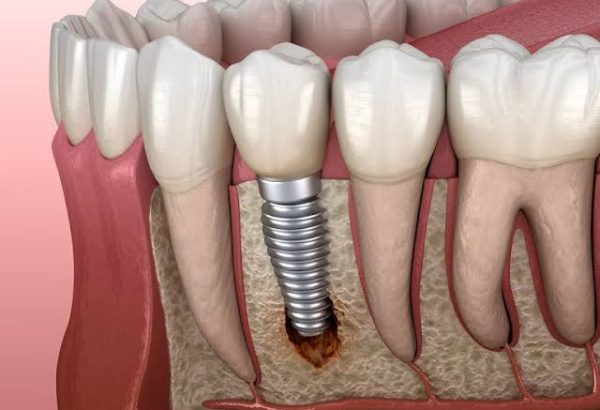
Dental implants are a popular solution for replacing missing teeth, offering stability, comfort, and a natural-looking smile. However, like natural teeth, implants require proper care to maintain healthy surrounding tissues. Recognizing the early warning signs of Dental Implant Infection in dubai can help patients seek timely professional attention and reduce the risk of complications. Although mild discomfort and swelling may occur after implant surgery, symptoms that worsen or persist longer than expected should never be ignored. Understanding what to look for can make a significant difference in protecting your oral health and the long-term success of your implant.
What Causes a Dental Implant Infection?
A dental implant infection occurs when harmful bacteria accumulate around the implant and irritate the surrounding gum tissue. Poor oral hygiene, smoking, existing gum disease, and certain medical conditions may increase the risk. In some cases, infection can develop during healing or months and years after the implant has been placed.
One common condition is peri-implant mucositis, which causes inflammation of the gums around an implant. If left untreated, it may progress to peri-implantitis, a more serious condition involving damage to the bone supporting the implant.
6 Early Signs of a Dental Implant Infection
1. Redness and Swelling Around the Gums
Healthy gum tissue generally looks firm and pink. If the gums surrounding your implant become unusually red, swollen, or tender, it could indicate inflammation or infection.
Some swelling is expected immediately after surgery. However, swelling that increases instead of improving, develops after the initial healing period, or returns unexpectedly deserves professional evaluation.
2. Persistent Pain or Tenderness
Mild soreness after implant placement is common and should gradually improve. Persistent, worsening, or newly developing pain may indicate a problem.
You might notice discomfort when chewing, brushing near the implant, or applying gentle pressure to the surrounding area. Pain alone does not confirm an infection, but it should not be dismissed, especially when accompanied by swelling or bleeding.
3. Bleeding During Brushing
Occasional bleeding around an implant can signal irritated or inflamed gum tissue. If the area repeatedly bleeds while brushing or flossing, plaque accumulation may be contributing to inflammation.
Use a soft-bristled toothbrush and clean the area gently. Avoid aggressive brushing, and arrange a dental assessment if bleeding continues.
4. Pus or Unusual Discharge
Pus around a dental implant is a particularly concerning sign. You may notice yellowish or whitish discharge near the gumline, sometimes accompanied by tenderness or swelling.
This can indicate an active infection that requires prompt professional treatment. Do not attempt to squeeze the area or treat it by yourself with leftover antibiotics.
5. Persistent Bad Breath or an Unpleasant Taste
Bad breath that continues despite regular brushing and flossing may indicate bacterial buildup around the implant. Some patients also experience an unpleasant taste in their mouth, particularly if discharge is present.
Although these symptoms can have other causes, their appearance alongside gum redness, bleeding, or discomfort makes a dental examination especially important.
6. Gum Recession or Implant Looseness
If the gum tissue begins to recede around an implant, more of the implant structure may become visible. This can be associated with inflammation, changes in surrounding tissues, or other dental problems.
An implant that feels loose is especially concerning because a successfully integrated implant should remain stable. Looseness can indicate bone loss, a mechanical problem, or failure of integration. Contact your dentist promptly rather than repeatedly testing the implant.
How Can You Prevent Dental Implant Infections?
Prevention starts with consistent oral hygiene and regular dental checkups. Even though dental implants cannot develop cavities like natural teeth, the surrounding gums and supporting bone remain vulnerable to bacterial infection.
Follow these practical steps to protect your implant:
- Brush twice daily using a soft-bristled toothbrush.
- Clean between teeth and around the implant with suitable interdental brushes or floss.
- Attend routine dental examinations and professional cleanings.
- Avoid smoking, which can interfere with healing and increase the risk of implant complications.
- Follow your dentist’s postoperative instructions carefully.
- Inform your dental professional about medical conditions and medications that may affect healing.
Your dentist may recommend additional cleaning techniques depending on the implant’s position and the condition of your gums.
When Should You See a Dentist?
You should contact your dentist if you experience persistent bleeding, increasing swelling, worsening pain, pus, or recurring bad breath around an implant. Early assessment can help identify the cause and determine the appropriate treatment.
Seek urgent dental care if the symptoms are rapidly worsening. Facial swelling, fever, or difficulty opening your mouth may indicate a spreading infection. Difficulty breathing or swallowing requires emergency medical attention.
Treatment depends on the underlying problem and may include professional cleaning, improved plaque control, drainage when necessary, or other procedures. Antibiotics may be appropriate in selected cases, but they are not a substitute for treating the source of an infection.
Conclusion
Recognizing the early signs of a dental implant infection is essential for maintaining healthy gums and protecting the stability of your replacement tooth. Redness, swelling, persistent pain, bleeding, pus, unpleasant taste, and implant looseness are symptoms that deserve attention. Although not every symptom indicates an infection, a professional examination can help distinguish normal healing from a developing complication.
With careful daily cleaning, regular dental visits, and prompt attention to unusual symptoms, patients can reduce the risk of implant-related problems and support long-term oral health. If you notice changes around your implant, do not wait for the symptoms to become severe before seeking professional advice.