
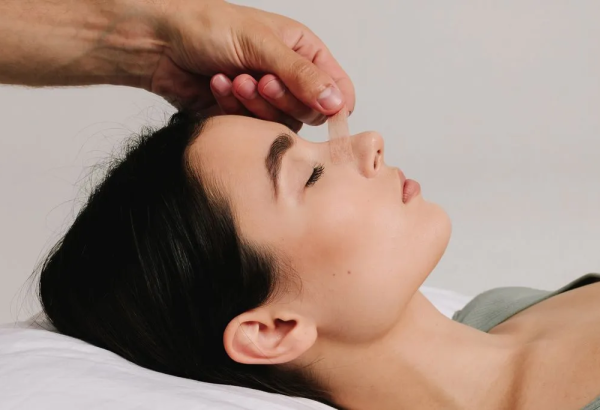
Difficulty breathing through the nose can affect more than daytime comfort. Persistent nasal blockage may make it harder to fall asleep, encourage mouth breathing, and interrupt restful sleep. One possible cause is a deviated nasal septum, where the wall separating the nasal passages is displaced and restricts airflow. Septoplasty in Dubai is a surgical procedure that corrects this structural problem and may improve nasal breathing. At Dynamic Life Clinic, patients can receive an assessment to understand whether septal deviation is contributing to their breathing and sleep difficulties.
Understanding the Connection Between Nasal Breathing and Sleep
Comfortable nasal breathing helps maintain normal airflow while resting. When the nasal passages are narrowed, breathing through the nose may become difficult, particularly when lying down. Some people compensate by breathing through their mouths, which can contribute to dry mouth and throat discomfort during the night. A deviated septum may be one reason for this obstruction, although allergies, enlarged turbinates, and other nasal conditions can also affect nighttime breathing.
How a Deviated Septum Can Disturb Sleep
A deviated septum can reduce the space available for air to pass through one or both nasal passages. This may cause persistent congestion, difficulty breathing while lying down, and repeated changes in sleeping position to find a more comfortable way to breathe. Some individuals also experience mouth breathing or snoring when nasal airflow is restricted. When septal deviation is a significant cause of these symptoms, correcting the internal structure may help make nighttime breathing more comfortable.
How Septoplasty Improves Nasal Airflow
Septoplasty is designed to correct the position of the nasal septum by reshaping or repositioning selected sections of cartilage and bone. This helps reduce the structural narrowing that restricts airflow inside the nose. Patients whose obstruction is mainly caused by septal deviation may experience improved nasal breathing after the healing process. The procedure focuses on the internal nasal structure and does not usually change the external appearance of the nose.
Reducing Mouth Breathing During Sleep
People with persistent nasal obstruction may rely on mouth breathing because air cannot move comfortably through their nostrils. This can leave the mouth and throat feeling dry after waking up. When a deviated septum is responsible for the blockage, septoplasty may improve nasal airflow and reduce the need to breathe through the mouth. However, mouth breathing can also result from allergies, enlarged adenoids, or other airway conditions, so identifying the underlying cause is important before treatment.
The Potential Effect of Septoplasty on Snoring
Restricted nasal airflow can contribute to snoring in some individuals. When breathing through the nose becomes difficult, a person may breathe through the mouth, potentially affecting airflow during sleep. Correcting a deviated septum may reduce nasal obstruction and improve one factor associated with snoring. However, snoring can also originate from the throat and other parts of the upper airway. Septoplasty is not a guaranteed treatment for snoring or obstructive sleep apnoea, and persistent symptoms require appropriate assessment.
Improving Breathing During Daily Activities
Nasal obstruction can affect breathing during walking, exercise, and other routine activities. People with a significant septal deviation may find it difficult to maintain comfortable nasal breathing when their oxygen demand increases. Septoplasty may create more space inside the nasal passages, making airflow easier when the deviation is the main cause of obstruction. Patients should allow adequate time for healing before returning to strenuous activities and follow their surgeon’s recovery instructions.
Septoplasty With Turbinate Reduction for Better Airflow
The turbinates are structures inside the nose that warm, humidify, and filter incoming air. When they become enlarged, they can narrow the nasal passages and contribute to breathing difficulties. Some patients have both a deviated septum and enlarged turbinates, which may require a combined treatment approach. A surgeon may recommend turbinate reduction alongside septoplasty when both conditions contribute to obstruction, while taking care to preserve the normal function of the nasal tissues.
The Procedure and Recovery Process
Septoplasty is generally performed under anaesthesia, with the surgeon accessing the septum through incisions inside the nose. The displaced cartilage and bone are adjusted according to the patient’s anatomy and treatment needs. Following surgery, temporary swelling, congestion, mild bleeding, and tenderness may occur. Nasal breathing usually improves gradually as swelling settles, so patients should avoid judging the final outcome during the early recovery period. Following post-operative instructions and attending follow-up appointments support proper healing.
Checkpoint: Important Considerations Before Surgery
Septoplasty may improve sleep-related breathing comfort when a deviated septum causes nasal obstruction, but it does not address every condition that affects sleep. Patients should understand the following factors before considering treatment.
- Underlying cause: Allergies, enlarged turbinates, sinus inflammation, and other airway conditions can also affect nighttime breathing.
- Sleep apnoea assessment: Patients with loud snoring, choking episodes, or excessive daytime sleepiness may need a separate sleep evaluation.
- Realistic expectations: Septoplasty may improve nasal airflow but cannot guarantee better sleep or eliminate all breathing problems.
- Possible complications: Risks include bleeding, infection, septal perforation, persistent obstruction, changes in smell, or the need for further treatment.
- Recovery period: Temporary swelling and congestion may make nasal breathing difficult during the initial healing stage.
- Medical suitability: A qualified surgeon should review nasal anatomy, medical history, and breathing symptoms before recommending surgery.
Dynamic Life Clinic: Personalised Septoplasty Care
Dynamic Life Clinic provides consultations for individuals experiencing nasal obstruction and breathing difficulties that may affect their sleep and daily activities. The assessment helps identify whether a deviated septum or enlarged turbinates are contributing to restricted airflow. Based on the findings, the medical team can discuss suitable treatment options, including septoplasty and turbinate reduction when appropriate. Patients can also learn about the surgical approach, recovery expectations, possible risks, and realistic outcomes before making a treatment decision.
Frequently Asked Questions
1. Can Septoplasty Help Me Sleep More Comfortably?
It may help when nasal obstruction caused by a deviated septum makes breathing difficult during sleep. The improvement depends on the underlying cause and individual anatomy.
2. Does Septoplasty Stop Mouth Breathing at Night?
It may reduce mouth breathing when a deviated septum is responsible for restricted nasal airflow. Other causes of mouth breathing may require separate treatment.
3. Can Septoplasty Reduce Snoring?
It may reduce snoring in some patients when nasal obstruction is a contributing factor. However, it does not treat every cause of snoring or obstructive sleep apnoea.
4. How Soon Can Sleep Improve After Septoplasty?
Sleep-related breathing comfort may improve as swelling decreases and nasal airflow becomes clearer. Recovery varies, and temporary congestion is common during the initial healing period.
5. Is Septoplasty a Treatment for Sleep Apnoea?
Septoplasty is not a standalone treatment for obstructive sleep apnoea. It may improve nasal airflow in selected patients, but sleep apnoea requires a separate diagnosis and appropriate management.
Conclusion
Septoplasty may improve sleep and breathing when a deviated nasal septum is responsible for persistent nasal obstruction. By creating more space inside the nasal passages, the procedure can make nasal airflow more comfortable and may reduce mouth breathing during sleep. However, snoring and sleep disturbances can have several causes. A detailed medical assessment helps determine whether septoplasty, with or without turbinate reduction, is an appropriate option for improving nasal function.