
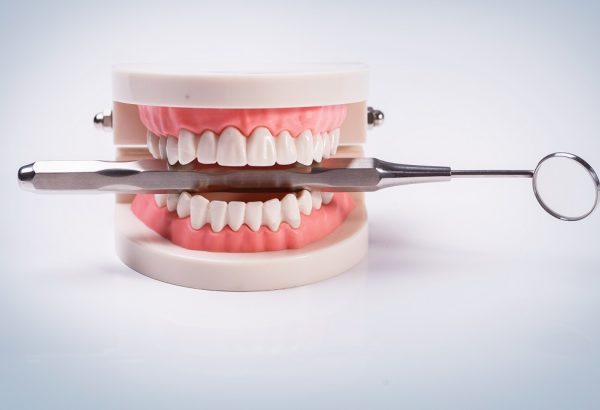
What Are Teeth Dentures?
Dentures are removable dental appliances designed to replace missing teeth and, in many cases, the surrounding gum structures. They are custom-made to fit the shape of the mouth and support essential functions such as chewing and speaking.
Different Types of Dentures
The most suitable type depends on how many teeth are missing and the condition of the remaining teeth and gums.
-
Complete dentures: Replace all teeth in the upper jaw, lower jaw, or both.
-
Partial dentures: Fill gaps when some natural teeth remain.
-
Immediate dentures: Are placed soon after tooth removal when appropriate, although adjustments may be needed as the gums heal.
-
Implant-supported dentures: Attach to dental implants for additional stability and may be removable or fixed, depending on the design.
A dental professional can evaluate the available options and recommend an appliance that matches your oral health needs.
What Are the Main Benefits of Choosing Dentures?
Modern dentures offer several advantages beyond simply filling the gaps left by missing teeth. They can support everyday oral function while helping restore a natural-looking smile.
1. Improved Chewing Ability
Missing teeth can make it difficult to bite into or chew certain foods. Dentures help restore chewing surfaces, allowing wearers to manage a wider variety of meals.
Although dentures may not provide exactly the same biting force as natural teeth, a properly fitted appliance can make eating more manageable. Starting with softer foods and gradually introducing firmer textures can help new wearers adjust.
2. A More Complete and Natural-Looking Smile
Gaps in the smile can affect how people feel about their appearance. Dentures are designed to complement facial features, with attention to tooth shape, colour, and arrangement.
Well-designed dentures can help recreate a balanced smile without making the replacement teeth look noticeably artificial. The final appearance depends on the quality of the design, the fit, and the individual’s oral anatomy.
3. Better Speech and Pronunciation
Teeth play an important role in forming certain sounds. When teeth are missing, pronunciation may change, and some words can become harder to articulate.
Dentures provide a replacement structure that may help improve speech clarity. It is normal to experience a short adjustment period, during which reading aloud and practising everyday conversations can help build confidence.
4. Support for Facial Appearance
Natural teeth help support the lips and cheeks. When multiple teeth are missing, changes in facial support may contribute to a sunken appearance around the mouth.
Dentures can help restore some of this support and improve the overall appearance of the lower face. However, they cannot prevent all changes associated with ageing or bone loss.
Are Dentures Comfortable for Everyday Use?
Comfort is one of the most important considerations when choosing dentures. Modern designs can be customized to fit the contours of the mouth, helping reduce movement and irritation.
The Importance of Proper Fitting
A well-fitting denture should remain reasonably stable during normal activities without causing persistent soreness. During the initial adjustment period, mild pressure or increased saliva production may occur.
If the appliance rubs against the gums, slips repeatedly, or causes ongoing pain, a dental professional should assess it. Adjustments may improve comfort and reduce the risk of irritation or sores.
The mouth can also change shape over time, meaning dentures may eventually require relining, repair, or replacement.
How Do Dentures Support Long-Term Oral Health?
Replacing missing teeth can help restore oral function, but dentures also require consistent care. Keeping the appliance clean and maintaining healthy gums are essential parts of successful denture use.
Daily Cleaning and Maintenance
Remove and clean removable dentures according to your dentist’s instructions. Use products specifically intended for dentures, and avoid hot water that could distort the material. Clean the gums, tongue, and any remaining natural teeth gently as well.
Regular dental visits remain important even for people who have lost all their natural teeth. These appointments allow the dentist to check the fit, examine oral tissues, and identify any concerns early.
Dentures do not prevent the jawbone from changing after tooth loss, so ongoing professional monitoring is beneficial.
Are Dentures the Right Choice for You?
Dentures can be suitable for people who need to replace several missing teeth or an entire dental arch. They offer a versatile restorative option, with designs available for different needs and preferences.
The right choice depends on the number of missing teeth, gum health, jawbone condition, lifestyle, and personal expectations. Some people may benefit from conventional removable dentures, while others may be candidates for implant-supported alternatives.
A dental consultation can help clarify these differences and establish an appropriate treatment plan.
Conclusion
Choosing dentures today can offer meaningful benefits, including improved chewing, clearer speech, enhanced smile aesthetics, and better support for facial appearance. Advances in design and materials have made it possible to create appliances that look more natural and fit individual needs more closely.
With proper fitting, daily cleaning, and regular dental check-ups, dentures can become a practical part of everyday life. Understanding the available options and discussing your concerns with a qualified dental professional will help you choose a solution that supports your comfort, oral function, and confidence.