
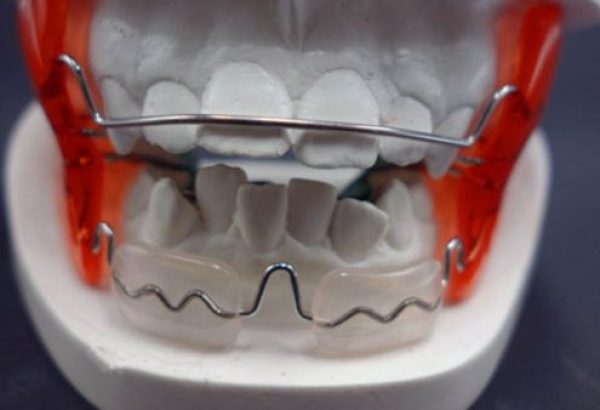
What Are Dental Activators?
Dental activators are removable orthodontic appliances commonly used to address specific bite problems associated with jaw growth. They are generally designed to position the lower jaw in a particular relationship with the upper jaw, helping guide its development during suitable growth stages.
Unlike fixed braces, which primarily move teeth using brackets and wires, an activator works by influencing the relationship between the jaws and the surrounding muscles. Its design usually includes a custom-made acrylic component that fits over or between the teeth, depending on the appliance type.
Orthodontists may recommend these appliances for children who have certain bite discrepancies, including some forms of an overjet, where the upper front teeth extend too far forward relative to the lower front teeth.
Why Are Dental Activators Used?
Dental activators may be recommended when a child’s developing bite could benefit from early orthodontic intervention. Their purpose is to improve jaw relationships and create conditions that support healthier oral development.
Depending on the individual case, treatment may help to:
-
Improve specific jaw alignment problems.
-
Reduce excessive horizontal overlap between the front teeth.
-
Encourage a more functional bite.
-
Support balanced dental development during growth.
-
Reduce the risk of injury to prominent front teeth in some children.
Not every child needs an activator. A thorough orthodontic assessment is essential to determine whether this appliance is appropriate.
How Do Dental Activators Work?
Dental activators work by holding the jaws in a planned position when the appliance is worn. This positioning changes the relationship between the upper and lower teeth and influences the muscles involved in chewing and jaw movement.
The appliance is typically made from impressions or digital scans of the patient’s teeth. Its design is customized to address the particular bite concern identified during the examination.
Supporting Jaw Growth
In growing patients, the jaw bones are still developing. An activator may help modify the way the jaws relate to one another during this period. For example, in selected cases involving a prominent upper bite, the appliance positions the lower jaw forward.
This does not mean that every activator produces the same growth response. Results depend on the patient’s age, growth pattern, underlying orthodontic problem, appliance design, and consistency of use.
Influencing Muscle Function
The muscles around the mouth and jaw contribute to chewing, swallowing, and maintaining oral posture. An activator changes the position in which these muscles function while the appliance is in place.
By encouraging a planned jaw position, it may help improve the functional relationship between the jaws. However, the appliance does not automatically correct every muscular or skeletal concern, and some patients may need additional orthodontic treatment.
Who Can Benefit From Dental Activators?
Dental activators are most commonly considered for growing children and adolescents with particular bite discrepancies. Early assessment can help determine whether treatment during development may be beneficial.
Common Signs That an Assessment May Help
Parents may consider arranging an orthodontic evaluation if their child has:
-
Upper front teeth that appear noticeably prominent.
-
Difficulty bringing the teeth together comfortably.
-
A bite that looks uneven or unbalanced.
-
Jaw positioning concerns identified during a dental checkup.
-
An orthodontist’s recommendation for early treatment.
These signs do not confirm that a dental activator is necessary. Different bite problems require different approaches, and some are better managed with other orthodontic appliances.
What Happens During Dental Activator Treatment?
Treatment usually begins with an orthodontic consultation. The dental professional examines the teeth, jaw relationships, oral development, and overall bite. Photographs, dental impressions, digital scans, or X-rays may be used when clinically appropriate.
Custom Appliance Fitting
Once the treatment plan is established, the activator is designed to fit the patient’s mouth. The orthodontist explains how to insert, remove, clean, and store it safely.
Patients may initially experience increased saliva, mild discomfort, or changes in speech. These effects often improve as the mouth adjusts, although persistent pain or problems with the fit should be reported.
Wearing and Follow-Up
The recommended wearing schedule depends on the appliance and the treatment goals. Following instructions consistently is important because irregular use can reduce treatment effectiveness.
Regular appointments allow the orthodontist to monitor progress, assess comfort, and make adjustments when necessary. Treatment duration varies according to the severity of the bite concern and the patient’s response.
How Should Dental Activators Be Maintained?
Proper care helps keep the appliance clean and functional throughout treatment.
-
Clean it according to the orthodontist’s instructions.
-
Store it in its protective case when not in use.
-
Avoid hot water, which may distort the material.
-
Keep it away from pets, as they may chew or damage it.
-
Report cracks, looseness, or discomfort promptly.
Maintaining good oral hygiene is equally important. Teeth should be brushed regularly, and the appliance should be cleaned as directed to help prevent plaque buildup and unpleasant odors.
Conclusion
Dental activators can play a valuable role in selected orthodontic cases by guiding jaw positioning and improving bite relationships during growth. Their success depends on choosing the right appliance, starting at an appropriate developmental stage, and following professional instructions consistently. For parents considering Dental Activators in Dubai, a qualified orthodontist can evaluate their child’s needs and explain whether an activator or another treatment approach is the most suitable option. Early assessment and regular monitoring can help support healthier dental development and a more functional smile.