
Long-term weight management can be challenging for people living with obesity, particularly when lifestyle changes alone have not produced lasting results. Mini Gastric Bypass in Dubai is a bariatric surgery option that can help eligible patients achieve substantial weight loss by reducing stomach capacity and changing the route food takes through part of the digestive system. The procedure also influences appetite and metabolic signals, which may support changes in eating habits and improve certain obesity-related conditions. However, lasting results depend on more than surgery alone: nutrition, physical activity, medical follow-up, and long-term behavioural support all play important roles.
Understanding How Mini Gastric Bypass Supports Weight Loss
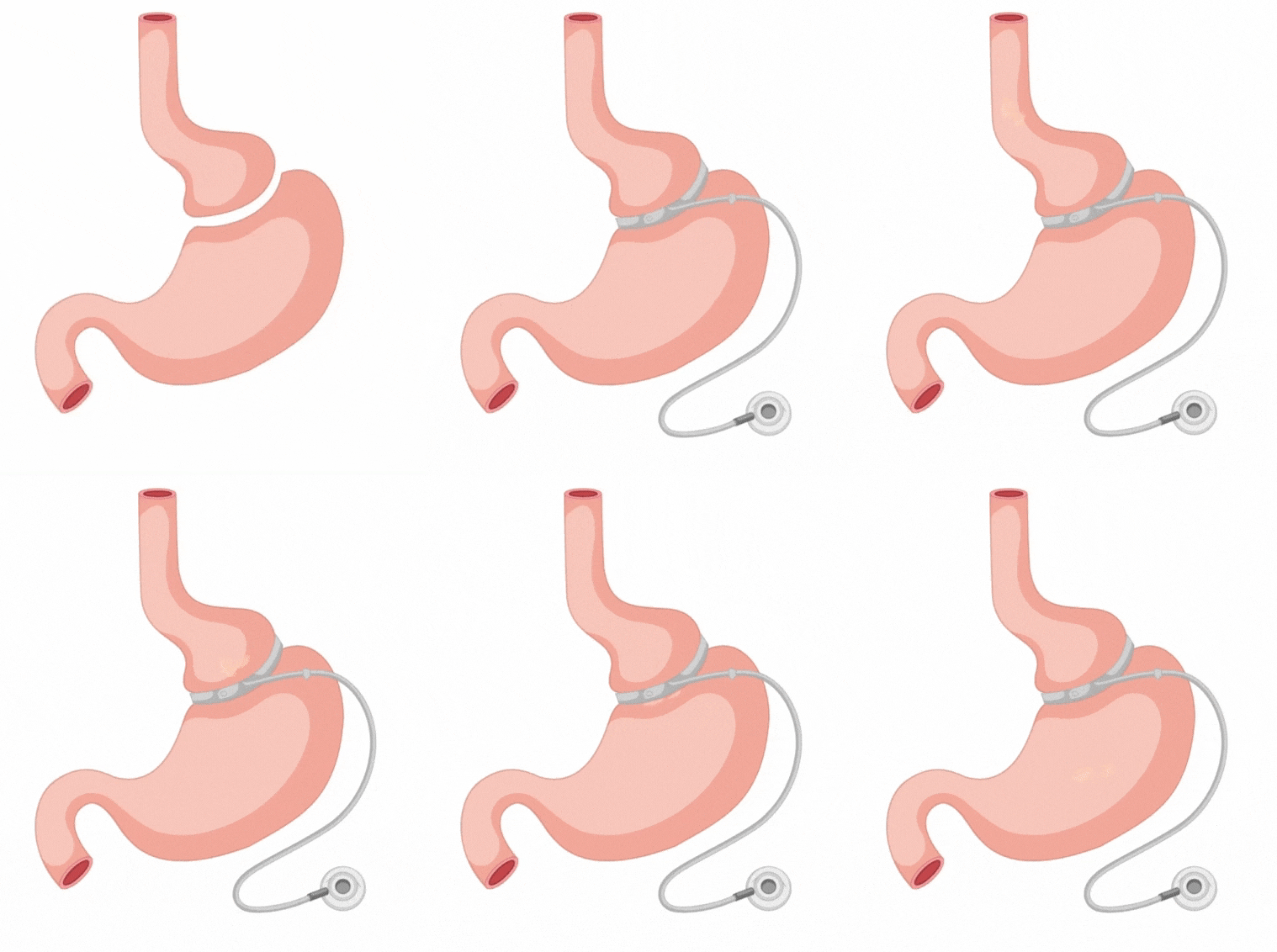
Mini gastric bypass, also known as one-anastomosis gastric bypass (OAGB), combines a smaller stomach pouch with a change in the path food follows through the digestive system. These changes affect how much a person can comfortably eat and how nutrients are absorbed.
During the procedure, the surgeon creates a narrow stomach pouch and connects it directly to a section of the small intestine. Food then bypasses part of the upper small intestine. This can reduce calorie intake and alter metabolic processes involved in weight regulation.
The procedure is designed to support weight loss over time rather than produce a temporary change. Patients generally lose weight most rapidly during the early months, after which the rate often slows. Long-term outcomes vary according to individual health factors, eating patterns, activity levels, and adherence to follow-up care.
Mini gastric bypass is a major operation, so patients should discuss its benefits, risks, and alternatives with a qualified bariatric surgeon before making a decision.
How a Smaller Stomach Pouch Helps Control Portions
One of the main ways mini gastric bypass supports weight loss is by reducing the amount of food the stomach pouch can comfortably hold at one time.
After surgery, patients usually feel full after eating smaller portions than they did before the procedure. This can make it easier to follow a structured eating plan without relying entirely on conscious portion restriction.
However, the smaller pouch requires patients to change how they eat. Large meals, eating too quickly, or not chewing food thoroughly may cause discomfort, nausea, or vomiting. Patients are generally advised to eat slowly, take small bites, and stop when they feel comfortably satisfied.
The stomach pouch does not prevent weight regain automatically. Frequent high-calorie snacks, sugary drinks, or repeatedly eating beyond comfortable fullness can still interfere with long-term progress. Learning sustainable eating habits is therefore an important part of postoperative care.
How Changes in Appetite and Metabolism Support Weight Loss
Mini gastric bypass may influence the hormones and signals involved in hunger, fullness, and blood sugar regulation. These changes can help some patients experience reduced hunger or feel satisfied with smaller meals.
The procedure also changes how nutrients reach the small intestine, which can affect metabolic responses after eating. For some people with obesity-related type 2 diabetes, this may contribute to improved blood glucose control.
These effects vary between individuals and should not be viewed as a guarantee of permanent weight loss or diabetes remission. Long-term outcomes depend on several factors, including the patient’s health, eating habits, and continued medical care.
What to Expect During the First Year After Surgery
Weight loss often occurs most rapidly during the first several months after mini gastric bypass. As the body adapts to the procedure, the rate of weight reduction typically slows, and many patients approach their lowest weight around 12 to 18 months after surgery. Individual results can differ considerably.
Chelsea Westminster Hospital+1
During the early recovery period, patients follow a staged diet that progresses from liquids to puréed foods, soft foods, and eventually suitable solid meals. The pace of this progression should follow the bariatric team’s instructions.
Regular appointments help the medical team assess weight changes, hydration, food tolerance, nutritional intake, and any complications. These visits also provide opportunities to address difficulties with eating, manage side effects, and adjust the patient’s care plan.
The Importance of Healthy Eating After Surgery
Mini gastric bypass changes stomach capacity and nutrient absorption, but patients still need balanced nutrition to maintain their health and support lasting weight management.
Prioritising Protein
Protein supports muscle maintenance, tissue repair, and recovery. Patients are generally advised to include suitable protein sources, such as eggs, fish, lean meat, dairy products, or other options recommended by their dietitian.
The appropriate amount depends on individual nutritional needs and the advice of the bariatric team. Patients who struggle to consume enough protein should discuss this with their healthcare provider rather than relying on supplements without guidance.
Choosing Nutrient-Rich Foods
After surgery, smaller meals need to provide sufficient nutrients. Patients may be encouraged to prioritise protein and gradually include vegetables, fruit, and other nutrient-rich foods as tolerated.
Foods high in added sugar or calories can make weight management more difficult, particularly when consumed frequently. Sugary drinks may also provide substantial calories without creating lasting fullness.
The aim is not to follow an unnecessarily restrictive diet. Instead, patients should develop sustainable eating habits that meet their nutritional needs while supporting their weight-management goals.
Eating Slowly and Recognising Fullness
Eating slowly allows patients to recognise fullness before they become uncomfortable. Small bites, thorough chewing, and stopping when satisfied can help reduce nausea and vomiting.
Patients should follow their team’s guidance about drinking around meals and maintaining hydration. Persistent vomiting, difficulty eating, or an inability to drink enough fluid requires medical assessment.
Why Physical Activity Matters for Long-Term Results
Physical activity can support weight management, improve fitness, and help preserve muscle during weight loss. It may also benefit blood pressure, blood sugar regulation, mobility, and general wellbeing.
After surgery, patients usually begin with gentle movement, such as short walks, and gradually increase activity as recovery allows. More demanding exercise should be introduced according to the surgeon’s advice.
Over time, a combination of aerobic activity and appropriate strength exercises may help patients improve endurance and maintain muscle. The plan should reflect their current fitness, joint health, medical conditions, and personal abilities.
Exercise does not need to be intense to be useful. Consistency and gradual progress are often more sustainable than attempting a demanding routine too soon.
The Role of Long-Term Medical Follow-Up
Regular follow-up is essential after mini gastric bypass because the procedure changes nutrient absorption as well as food intake. Medical guidance can help patients maintain progress, identify complications, and address nutritional problems early.
Follow-up commonly includes weight assessment, dietary review, medication evaluation, and blood tests to monitor nutrients such as iron, vitamin B12, folate, calcium, and vitamin D. The exact testing schedule depends on the procedure, medical history, and previous results.
Patients are generally advised to take prescribed vitamin and mineral supplements for life. After the initial specialist follow-up period, ongoing monitoring should continue through an appropriate healthcare service, usually at least annually.
Psychological support may also be helpful if stress, emotional eating, or changes in body image affect the patient’s progress. Long-term obesity care works best when physical health, nutrition, and emotional wellbeing are considered together.
Can Weight Return After Mini Gastric Bypass?
Yes. Although mini gastric bypass can support substantial weight loss, some patients regain weight over time. Surgery does not permanently remove every factor that contributes to obesity.
Weight regain may be associated with frequent high-calorie eating, reduced physical activity, changes in appetite, certain medications, psychological challenges, or changes in the stomach pouch or intestinal connection.
If weight begins to increase consistently, patients should contact their bariatric team rather than assuming that the surgery has failed. The assessment may include reviewing food intake, activity levels, medications, sleep, emotional wellbeing, and possible anatomical changes.
Depending on the findings, the care team may recommend nutritional counselling, behavioural support, medication, or additional investigations. Further procedures are considered only in selected cases after careful assessment.
Health Benefits Beyond Weight Reduction
Long-term weight loss may improve more than body weight alone. For some patients, mini gastric bypass can help improve obesity-related health conditions, although the degree of improvement varies.
Type 2 Diabetes
Weight reduction and metabolic changes may improve blood glucose control. Some patients may need less diabetes medication, while others may continue to require treatment. Medication adjustments should always be managed by the treating clinician.
High Blood Pressure and Cholesterol Problems
Losing excess weight may improve blood pressure and blood lipid levels in some patients. Regular monitoring remains important because medication requirements can change as weight and overall health improve.
Sleep Apnoea and Mobility
Weight loss may reduce the severity of obstructive sleep apnoea and ease pressure on weight-bearing joints. Some patients find walking and everyday activities easier as their fitness improves.
These potential benefits are not guaranteed, and patients should continue monitoring existing conditions even when symptoms improve.
Choosing Mini Gastric Bypass in Dubai
Patients considering Mini Gastric Bypass in Dubai should seek an assessment from a qualified bariatric surgeon and a multidisciplinary team. The consultation should cover the procedure’s expected benefits, potential complications, alternatives, and long-term nutritional requirements.
Patients should ask how weight loss and nutritional health will be monitored, which supplements will be required, and how support will be arranged after returning home if they travel for surgery.
It is also important to understand that the best surgical option depends on individual health factors. Mini gastric bypass may be suitable for some patients, while another procedure or a nonsurgical treatment plan may be more appropriate for others.
Conclusion
Mini gastric bypass can support long-term weight loss by reducing stomach capacity, changing nutrient absorption, and influencing appetite and metabolic signals. Many patients experience substantial weight reduction, and some also see improvements in obesity-related health conditions.
However, lasting results require more than surgery. Balanced nutrition, appropriate physical activity, prescribed supplements, regular medical monitoring, and support with sustainable habits are essential parts of long-term care.
Anyone considering the procedure should discuss their medical history, expected outcomes, risks, and alternatives with a qualified bariatric specialist before deciding whether surgery is appropriate.
Frequently Asked Questions
How long does weight loss continue after mini gastric bypass?
Weight loss is often fastest during the first several months and may continue for around 12 to 18 months before stabilising. The exact timeline varies with individual health factors, eating habits, activity, and the body’s response to surgery.
Can mini gastric bypass provide permanent weight loss?
It can support long-term weight management, but permanent weight loss cannot be guaranteed. Some patients regain weight, so ongoing lifestyle support, medical monitoring, and follow-up remain important.
What should I eat to maintain weight loss after surgery?
Patients should follow their personalised bariatric diet plan, prioritise adequate protein, choose nutrient-rich foods, eat slowly, and maintain hydration. The appropriate food choices and portion sizes change as recovery progresses.
Will I need vitamins after mini gastric bypass?
Yes. Most patients need prescribed vitamin and mineral supplements because the procedure changes nutrient absorption. Regular blood tests help determine whether supplementation is adequate and whether any deficiencies need treatment.
Can mini gastric bypass improve type 2 diabetes?
It may improve blood sugar control and reduce the need for medication in some patients. Results vary, and diabetes treatment should only be adjusted by a healthcare professional.
What causes weight regain after mini gastric bypass?
Weight regain may be associated with eating patterns, reduced activity, appetite changes, certain medications, psychological factors, or anatomical changes. A bariatric team can assess the cause and recommend appropriate support.
Is exercise necessary after mini gastric bypass?
Appropriate physical activity supports fitness, muscle maintenance, and long-term weight management. Patients should start gradually after surgery and increase activity according to their recovery and medical advice.