
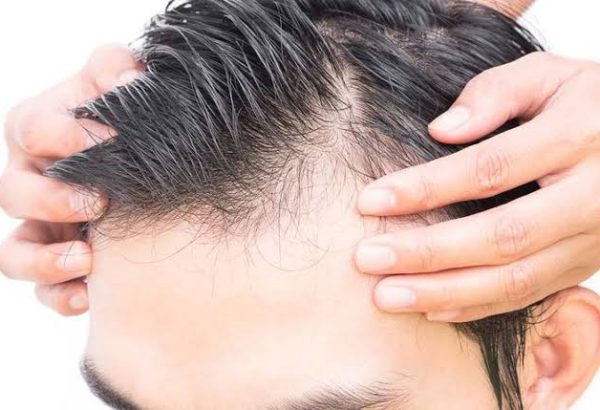
Hair transplantation has developed into a range of techniques designed to restore hair in areas affected by thinning or baldness. A Hybrid Hair Transplant in Dubai generally refers to an approach that combines two hair restoration techniques or methods within one treatment plan. Depending on the provider, this may involve combining Follicular Unit Extraction (FUE) with Follicular Unit Transplantation (FUT), or using a harvesting method alongside a specialised implantation technique. The purpose is to tailor the procedure to the patient’s hair loss pattern, donor hair availability, and restoration goals. The exact process varies, so understanding each stage helps patients know what to expect before, during, and after treatment.
Initial Hair and Scalp Assessment
The process begins with a consultation to understand the patient’s hair loss history, medical background, and desired outcome. The specialist examines the scalp, evaluates the density of the donor area, and identifies regions where hair coverage has reduced. The assessment may include checking hair thickness, follicle quality, scalp condition, and the pattern of thinning. If hair loss is sudden or unexplained, additional investigations may be recommended before surgery. This evaluation helps determine whether transplantation is appropriate and whether combining techniques offers a meaningful advantage over using a single method.
Designing the Hair Restoration Plan
After the assessment, the surgeon develops a personalised treatment plan. This includes deciding which areas need coverage, estimating the number of grafts required, and selecting the techniques that best suit the patient’s needs. The hairline is planned carefully to complement facial proportions and account for possible future hair loss. The surgeon also considers how to distribute the available donor follicles without overharvesting them. Because hybrid hair transplant is not a universally standardised term, patients should ask exactly which methods will be combined and why that combination is being recommended.
Combining Hair Harvesting Techniques
In some treatment plans, hybrid transplantation combines FUE and FUT. FUE involves extracting individual follicular units from the donor area, usually at the back or sides of the scalp. FUT involves removing a narrow strip of scalp, from which follicular units are separated under magnification. If both methods are used, the surgeon plans how to obtain grafts while managing donor-area limitations and potential scarring. FUE generally leaves small extraction marks, whereas FUT typically leaves a linear scar. Not every patient needs or benefits from both techniques, and the decision depends on individual circumstances.
Preparing the Donor Area
Before graft extraction, the donor area is prepared according to the selected technique. The scalp is cleaned, and local anaesthesia is usually administered to reduce discomfort during the procedure. Hair may need to be trimmed or prepared differently depending on the harvesting method. The surgeon identifies suitable follicles and follows a planned extraction pattern to preserve the appearance and function of the donor area. Careful preparation is important because excessive extraction can cause visible thinning or an uneven appearance. Patients receive instructions about medications, food, smoking, and other preoperative considerations based on their medical history and the clinic’s protocol.
Extracting the Hair Follicles
The next stage involves collecting the follicular units that will be transplanted. With FUE, individual units are removed using a small punch instrument. With FUT, a strip of scalp is removed and dissected into grafts under magnification before the donor wound is closed. When both methods are used, the surgeon must coordinate extraction carefully to obtain the planned number of usable grafts while minimising trauma. Each follicular unit may contain one or several hairs. The number and quality of the grafts affect how coverage is planned, but a higher graft count does not automatically guarantee a better result.
Preparing and Protecting the Grafts
Once extracted, the follicular units are examined and prepared for implantation. They are handled carefully to reduce damage and are kept under suitable conditions while awaiting placement. The team may sort grafts according to their characteristics, such as the number of hairs within each unit. Single-hair grafts may be useful around the frontal hairline for a softer appearance, while multi-hair grafts may help add density behind it. The specific placement plan depends on the patient’s hair characteristics and the surgeon’s judgement. Careful graft handling is important because damaged follicles may not grow as expected.
Creating the Recipient Sites
The surgeon prepares the areas where the grafts will be placed. The recipient sites are planned according to the natural direction, angle, and distribution of existing hair. The hairline often requires particular attention because even small differences in placement can affect the final appearance. The surgeon also considers the thickness and curl pattern of the hair, the contrast between hair and scalp, and the amount of coverage possible with the available grafts. The goal is to create a natural-looking distribution rather than simply filling every area with the same density.
Implanting the Follicular Units
The prepared grafts are placed into the recipient area using the implantation method selected for the treatment plan. In a conventional approach, the surgeon inserts grafts into prepared sites using specialised instruments. Some providers may combine a harvesting method with Direct Hair Implantation (DHI), which uses a specialised implanter device to place follicles. DHI is primarily an implantation approach, rather than a separate harvesting technique. The method chosen depends on the patient’s needs and the surgeon’s experience. Precise placement helps support natural direction and coverage, but the final result also depends on graft survival and healing.
Duration and Comfort During the Procedure
The length of a hybrid hair transplant depends on the number of grafts, the techniques used, and the complexity of the treatment plan. Procedures involving many grafts may take several hours and may sometimes be divided into sessions. Local anaesthesia is commonly used, so patients are generally awake during the procedure but should experience reduced sensation in the treated areas. Some pressure or discomfort may still occur. The surgical team should explain what to expect and provide guidance if the patient feels uncomfortable. Recovery requirements may differ if the procedure includes FUT because it involves a donor-site incision.
Recovery After Hybrid Hair Transplant
Following transplantation, temporary redness, swelling, tenderness, itching, and small scabs may develop around the treated areas. Patients receive instructions about washing the scalp, sleeping position, activity restrictions, and protecting the grafts during early healing. If FUT is used, the donor incision may require additional care and follow-up for suture removal, depending on the closure method. Patients should avoid rubbing or scratching the transplanted area while it heals. Increasing pain, fever, spreading redness, or unusual discharge should be reported promptly to a healthcare professional. Following postoperative advice helps support healing and reduces avoidable complications.
Hair Growth and Expected Results
Transplanted hair usually does not grow immediately after the procedure. The implanted hairs commonly shed during the first few weeks, while the follicles remain beneath the skin and may later produce new growth. Early improvement may become noticeable around three to six months, with fuller results often assessed after nine to twelve months or longer. Results vary according to graft survival, hair characteristics, the original extent of hair loss, and the progression of any underlying condition. Hybrid transplantation does not create new follicles, and ongoing hair loss may affect untreated areas. Some patients may benefit from medical treatment or long-term monitoring.
Risks and Important Considerations
Hybrid hair transplantation carries the risks associated with the methods used. These may include infection, bleeding, swelling, temporary numbness, scarring, poor graft growth, and an unnatural appearance if grafts are poorly positioned. FUE may leave small extraction marks, while FUT typically leaves a linear scar. Combining techniques does not automatically make the procedure safer or more effective. Patients should ask about the surgeon’s experience, the specific methods proposed, donor-area limitations, recovery time, and realistic expectations. A qualified hair restoration surgeon should explain the available alternatives and determine whether the potential benefits justify the risks.
Conclusion
Hybrid hair transplant works by combining selected hair restoration techniques within a personalised surgical plan. Depending on the provider, this may involve using FUE and FUT together or pairing a harvesting method with a specialised implantation approach. The process usually includes scalp assessment, treatment planning, graft extraction, graft preparation, implantation, and postoperative care. The best approach depends on the patient’s hair loss pattern, donor hair supply, scalp health, and restoration goals. Anyone considering a Hybrid Hair Transplant in Dubai should confirm exactly which techniques will be used and discuss the expected benefits, limitations, and risks with a qualified surgeon.
Frequently Asked Questions
1. What techniques can be combined in hybrid hair transplant?
Some plans combine FUE and FUT, while others pair a harvesting method with a specialised implantation approach such as DHI. The exact combination depends on the provider and the patient’s needs.
2. Is hybrid hair transplant performed in one session?
It may be completed in one session or divided into multiple sessions, depending on the number of grafts required, the techniques used, and the patient’s treatment plan.
3. Is local anaesthesia used during hybrid hair transplant?
Local anaesthesia is commonly used to reduce discomfort during graft extraction and implantation. The exact anaesthesia plan depends on the procedure and the patient’s medical circumstances.
4. How are hair grafts selected for transplantation?
The surgical team evaluates follicular units based on their quality and characteristics. Grafts may be placed strategically according to the area being treated and the desired natural appearance.
5. Does hybrid hair transplant involve stitches?
Stitches may be required if FUT is included because this technique involves removing a strip of scalp. FUE alone generally does not require a linear donor-site incision.
6. When can patients return to normal activities?
Recovery varies by technique and individual healing. Many patients resume light activities within a few days, but strenuous exercise and certain activities may need to be avoided for longer according to the surgeon’s instructions.
7. When does new hair start growing after hybrid transplantation?
New growth may begin to become noticeable around three to six months. The final appearance often takes nine to twelve months or longer to assess.
8. Does hybrid hair transplant guarantee permanent results?
No procedure can guarantee a particular result. Transplanted follicles may provide long-lasting growth, but outcomes vary and untreated hair may continue thinning. Follow-up and appropriate hair-loss management may be recommended.