
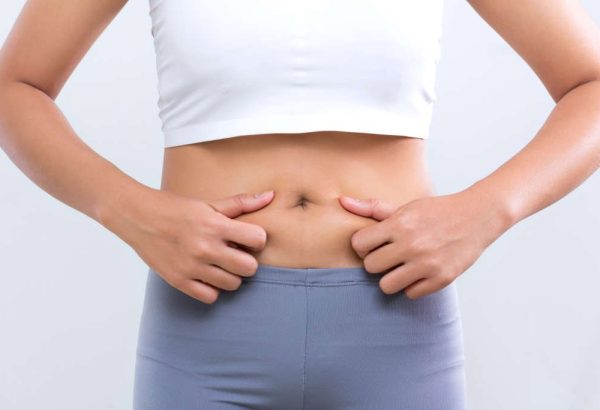
Stubborn fat deposits can affect the appearance of the abdomen, waist, thighs, and other body areas, even when a person follows a balanced diet and exercises regularly. GPS laser liposuction is a body-contouring procedure that combines laser-assisted fat disruption with suction removal to improve the shape and proportions of selected areas. People exploring GPS Laser Liposuction in Dubai can benefit from understanding how the technology works, which areas may be treated, and what results they can realistically expect.
Targeted Fat Reduction for Better Body Contours
GPS laser liposuction shapes the body by reducing selected deposits of fat beneath the skin. The surgeon identifies the areas that contribute to unwanted bulges and develops a treatment plan based on the patient’s anatomy and goals. Removing some of this fat can create a more defined outline in the treated area.
The procedure may be considered for areas such as:
- Abdomen and lower stomach
- Waist and love handles
- Hips and flanks
- Inner and outer thighs
- Upper arms
- Back and other suitable areas
The amount of fat removed and the final contour depend on individual factors, including fat distribution, skin elasticity, and the surgeon’s technique. The aim is to improve body proportions rather than remove as much fat as possible.
How Laser Technology Helps Shape the Body
Laser-assisted liposuction uses laser energy delivered through a thin fibre inserted beneath the skin. The energy heats and disrupts fat tissue, helping loosen it before removal through a cannula. The surgeon then uses controlled movements and suction to remove the targeted fat and refine the area’s contour.
Certain GPS Lipo systems also use magnetic tracking to display the movement of the cannula and monitor energy delivery within the marked treatment area. This is not satellite navigation, and it does not independently identify every fat cell. The surgeon remains responsible for selecting the treatment area and controlling the procedure.
The technique may help the surgeon manage treatment more systematically, but results still depend on appropriate planning, clinical skill, and the patient’s individual anatomy.
Creating a More Defined Waistline
Excess fat around the abdomen and flanks can make the waist appear wider or less defined. When these areas are suitable for treatment, GPS laser liposuction may reduce localized bulges and improve the transition between the waist and hips.
A more defined waistline may result from:
- Reducing selected fat deposits around the sides of the abdomen
- Improving the outline between the waist and hips
- Creating a smoother appearance in treated areas
- Balancing the proportions of the upper and lower body
Liposuction removes subcutaneous fat beneath the skin. It does not remove visceral fat located deep inside the abdomen around internal organs, and it does not tighten abdominal muscles. People with significant excess skin or separated abdominal muscles may need a different procedure to achieve their goals.
Improving the Appearance of the Abdomen
The abdomen is a common area for localized fat accumulation. GPS laser liposuction may help reduce selected deposits that remain noticeable despite stable weight and healthy habits. By removing fat from carefully planned areas, the surgeon can work toward a smoother abdominal outline.
However, the outcome is influenced by the amount of fat present, skin quality, and the body’s natural shape. People with substantial loose skin may not achieve a flat abdomen through liposuction alone. A tummy tuck or another procedure may be more suitable when excess skin or abdominal muscle separation is the main concern.
Refining the Shape of the Arms and Thighs
The upper arms and thighs can also develop fat deposits that affect body proportions. In suitable patients, targeted liposuction may reduce fullness and create a more balanced contour.
Potential goals include:
- Reducing fullness around the upper arms
- Improving the outline of the inner or outer thighs
- Creating smoother transitions between neighbouring body areas
- Helping clothing fit more comfortably around treated areas
The surgeon must consider skin elasticity before recommending treatment. If the skin cannot contract sufficiently after fat removal, loose or uneven skin may remain. Treatment should be planned conservatively to reduce the risk of contour irregularities.
Possible Skin-Tightening Effects
Laser energy generates heat within the treated tissue and may encourage collagen-related changes during healing. Some patients may experience mild improvement in skin firmness, but this effect is not guaranteed and varies considerably.
The potential for skin tightening depends on:
- The patient’s age and natural skin elasticity
- The amount of fat removed
- The treatment area and laser technique
- The degree of existing skin laxity
- Individual healing and collagen response
GPS laser liposuction should not be considered a reliable substitute for surgery that removes excess skin. A consultation helps determine whether fat removal alone is likely to produce a satisfactory contour.
Checkpoint: What Body Shaping Can Achieve
Before choosing GPS laser liposuction, it is important to understand its main capabilities and limitations.
- Localized fat reduction: The procedure removes selected deposits of fat beneath the skin.
- Improved proportions: Treating specific areas may create a more balanced body outline.
- Contour refinement: The surgeon can plan treatment around the patient’s natural shape.
- Possible skin firmness improvement: Laser energy may provide a limited tightening effect in suitable patients.
- No guaranteed body shape: Results vary and depend on anatomy, technique, and healing.
Liposuction is a body-contouring procedure, not a weight-loss treatment. It also carries risks, including bruising, swelling, infection, scarring, changes in sensation, uneven contours, and burns or other tissue injury associated with laser energy. Patients should discuss these risks with a qualified surgeon before proceeding.
Recovery and the Development of Results
Body shaping does not finish immediately after the procedure. Swelling and bruising may temporarily hide the changes, and the treated areas need time to heal. The timeline varies according to the extent of treatment and each person’s recovery.
Aftercare instructions may include:
- Wearing a compression garment if recommended
- Keeping incision sites clean and following wound-care advice
- Walking gently as advised by the medical team
- Avoiding strenuous activity until cleared by the surgeon
- Attending scheduled follow-up appointments
As swelling subsides, the body’s contours become easier to assess. Maintaining a stable weight can help preserve the results, although natural ageing and future weight changes may affect the appearance of treated areas.
Who May Benefit From GPS Laser Liposuction?
The procedure may suit adults with localized fat deposits, relatively stable weight, good general health, and realistic expectations. People with reasonable skin elasticity may be more likely to achieve a smooth contour after fat removal.
It may be less appropriate for people seeking major weight loss or those with significant loose skin. Certain medical conditions, medications, smoking, and previous procedures can also affect suitability. A qualified surgeon should review the patient’s medical history and examine the proposed treatment areas before recommending a plan.
Body-Contouring Consultation at Dynamic Life Clinic
People considering GPS laser liposuction can discuss their body-shaping goals with Dynamic Life Clinic and ask whether the procedure is suitable for their needs. A consultation should include an assessment of fat distribution, skin quality, medical history, and the areas the patient wishes to improve.
Patients should also ask which device will be used, how the procedure is performed, what recovery involves, and which complications may occur. Understanding the available alternatives is important, particularly when loose skin or abdominal muscle separation contributes to the concern. A personalized plan should be based on clinical assessment rather than general claims about technology.
Frequently Asked Questions
Does GPS Laser Liposuction Make the Body Slimmer?
It may reduce localized fat deposits and improve the outline of selected body areas. The degree of visible change depends on the amount and location of fat removed, skin elasticity, and individual healing. It is not intended for major weight loss.
Can GPS Laser Liposuction Create a Flat Stomach?
It may reduce suitable fat deposits around the abdomen, but a completely flat stomach cannot be guaranteed. Significant loose skin, abdominal muscle separation, or visceral fat may require a different approach.
Does GPS Laser Liposuction Tighten the Skin?
Laser energy may contribute to mild skin tightening in some patients, but the response varies. People with substantial excess skin may need a surgical skin-removal procedure instead of, or in addition to, liposuction.
Are the Results of GPS Laser Liposuction Permanent?
Fat cells removed during liposuction are removed from the treated area, but remaining fat cells can enlarge with weight gain. Stable weight and healthy lifestyle habits help maintain the contouring results over time.
How Long Does It Take to See Body-Shaping Results?
Some changes may become visible as early swelling settles, but the final contour can take weeks or months to become clearer. The recovery period depends on the treatment area, extent of fat removal, and individual healing.
Conclusion
GPS laser liposuction shapes the body by reducing selected fat deposits and refining the contours of suitable areas. It may help define the waist, improve abdominal contours, and reduce fullness in areas such as the arms and thighs. The results depend on skin elasticity, anatomy, surgical technique, and recovery, so a consultation with a qualified surgeon is essential to understand the likely outcome, risks, and alternatives.