
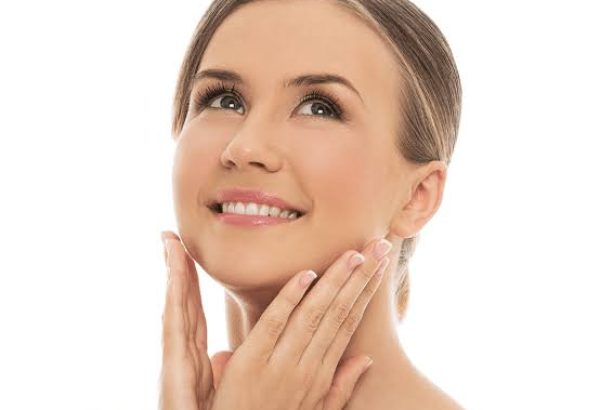
Face rejuvenation surgery can help reduce visible signs of ageing by restoring lost facial volume, softening selected wrinkles, and improving facial contours. As people grow older, changes in skin elasticity, collagen levels, and the distribution of facial fat can make the cheeks appear hollow, deepen facial folds, and create a tired appearance. Face Rejuvenation in Dubai using fat transfer may help address these concerns by moving fat from another part of the body into areas of the face that need additional volume. The procedure aims to create a refreshed, balanced appearance while preserving the person’s natural facial features.
Restoring Facial Volume Lost With Age
Loss of facial volume is one of the main reasons the face can appear older over time. The cheeks, temples, and areas beneath the eyes may gradually become hollow, changing the natural proportions of the face. Facial fat transfer involves collecting fat from a donor area, such as the abdomen or thighs, processing it, and carefully injecting it into selected facial regions. Restoring fullness in these areas can soften hollow contours and create a smoother transition between facial features. The amount of improvement depends on the patient’s anatomy and how much of the transferred fat survives.
Softening Wrinkles and Deep Facial Folds
Facial folds can become more noticeable when the underlying tissues lose volume and support. Fat transfer may soften certain lines around the nose and mouth by adding volume beneath the skin. It can also improve the appearance of some depressions and hollows that contribute to an aged facial appearance. However, the procedure does not eliminate every wrinkle or directly correct all skin-texture concerns. Fine lines caused by repeated muscle movement may require different treatments, while deeper wrinkles and significant skin laxity may need a more comprehensive approach.
Improving Cheek Definition and Facial Contours
Age-related changes can reduce cheek fullness and make the face appear less defined. Face rejuvenation surgery using fat transfer can restore volume to selected areas of the cheeks, helping improve facial proportions and soften the appearance of hollow midface contours. The surgeon considers the patient’s natural bone structure, existing facial symmetry, and desired outcome when planning fat placement. Carefully distributed volume may create a more refreshed appearance without dramatically changing the person’s facial identity. Results vary, and the procedure is not a substitute for surgery designed to lift sagging facial tissues.
Reducing the Appearance of Under-Eye Hollows
Hollow areas beneath the eyes can create shadows that make someone appear tired, even when they feel well rested. In suitable patients, facial fat transfer may restore volume beneath the eyes and improve the transition between the lower eyelids and cheeks. This can make the area appear smoother and less hollow. However, under-eye hollows are different from puffiness caused by prominent fat pads or excess skin. Fat transfer may not correct these concerns and requires careful assessment because the under-eye region is delicate and treatment carries specific risks.
Supporting a Natural-Looking Appearance
One potential benefit of facial fat transfer is that it uses the patient’s own fat rather than relying entirely on synthetic materials. The transferred tissue can provide soft volume in selected facial areas, helping improve contours while maintaining a natural appearance. However, some fat is normally absorbed during healing, so the final volume may differ from the initial result. In some cases, an additional treatment session may be considered. The aim is to achieve balanced improvement rather than overfilling the face or creating an artificial appearance.
Checkpoint: Understanding the Limits of Facial Rejuvenation
Face rejuvenation surgery can improve volume loss and selected facial folds, but it does not stop the natural ageing process. Fat transfer does not significantly tighten loose skin or reposition descended facial tissues in the same way as a facelift. Temporary swelling, bruising, and tenderness can occur during recovery, while potential complications include infection, asymmetry, irregular contours, fat necrosis, and rare but serious vascular complications. A consultation with a qualified surgeon should cover the expected benefits, possible risks, recovery requirements, and whether another procedure may better address the patient’s concerns.
Face Rejuvenation Surgery at Dynamic Life Clinic
At Dynamic Life Clinic in Dubai, individuals considering facial rejuvenation can discuss their concerns and aesthetic goals with a qualified healthcare professional. The assessment may focus on facial volume loss, cheek definition, under-eye hollows, wrinkles, and skin laxity. Based on the findings, the clinician can explain whether facial fat transfer is suitable or whether a different procedure may provide a better result. Treatment planning should consider medical history, available donor fat, facial anatomy, recovery expectations, and realistic outcomes to support an informed decision.
Frequently Asked Questions
Can Face Rejuvenation Surgery Reduce Deep Wrinkles?
Face rejuvenation surgery using fat transfer may soften some deep folds when volume loss contributes to their appearance. However, it may not remove wrinkles caused by repeated muscle movement, significant skin damage, or substantial skin laxity. A professional assessment can help identify the cause of the wrinkles and determine the most suitable treatment.
Does Face Rejuvenation Surgery Improve Sagging Skin?
Fat transfer primarily restores lost volume and does not significantly tighten loose skin. People with mild volume-related changes may notice smoother contours, while those with pronounced sagging may need a lifting procedure. The best option depends on the location and severity of the ageing changes.
How Long Do Facial Fat Transfer Results Last?
Some transferred fat is absorbed during the healing process, while the fat that successfully establishes a blood supply may provide long-lasting volume. The final outcome develops over several months, and individual results vary. Changes in body weight and natural ageing can also affect facial contours over time.
Is Face Rejuvenation Surgery Suitable for Older Adults?
Older adults may be suitable candidates if they are in good general health and their concerns can be addressed by the procedure. Age alone does not determine eligibility, but skin condition, medical history, healing ability, and treatment goals are important considerations. A qualified surgeon should assess suitability before recommending surgery.
Can Face Rejuvenation Surgery Prevent Future Signs of Aging?
No, face rejuvenation surgery cannot prevent future ageing. It can improve selected existing concerns, such as facial hollowing and volume-related folds, but skin and underlying tissues continue to change naturally. Maintaining stable weight, protecting the skin from excessive sun exposure, and following appropriate skincare advice may help support overall skin health.
Conclusion
Face rejuvenation surgery can reduce the visible appearance of ageing by restoring facial volume, softening selected folds, improving cheek contours, and addressing certain under-eye hollows. Facial fat transfer uses the patient’s own tissue and may provide long-lasting improvement when the transferred fat survives. However, the procedure does not correct every wrinkle or tighten significantly loose skin, and results vary between individuals. A professional consultation at Dynamic Life Clinic can help determine whether fat transfer or another facial rejuvenation approach is appropriate for the patient’s needs.