
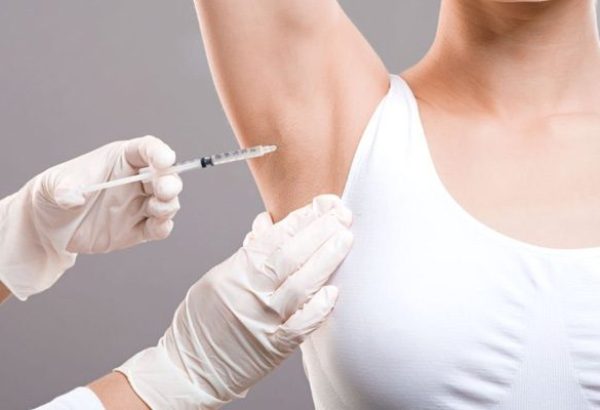
Excessive underarm sweating can become frustrating when it occurs even without physical activity or exposure to high temperatures. It may cause visible sweat marks, clothing discomfort, and reduced confidence in everyday situations. A non-surgical treatment such as Underarm Botox Dubai helps manage this condition by temporarily blocking the nerve signals responsible for activating sweat glands. By reducing sweat production in the treated area, the procedure can help individuals stay comfortable and manage excessive perspiration for several months.
Understanding the Causes of Excessive Underarm Sweating
Excessive underarm sweating, medically known as axillary hyperhidrosis, occurs when sweat glands produce more perspiration than the body requires for temperature regulation. In people with primary hyperhidrosis, overactive nerve signals stimulate the sweat glands even when the body does not need additional cooling. This condition may occur without an obvious trigger and can affect daily activities, clothing choices, and personal confidence. Heat, stress, hormonal changes, and certain medical conditions can also contribute to increased sweating. Identifying the underlying cause helps determine the most appropriate treatment approach.
How Botox Interrupts Sweat-Producing Nerve Signals
Botox contains botulinum toxin, which temporarily blocks the release of acetylcholine, a chemical messenger responsible for transmitting signals from nerves to sweat glands. Normally, these signals activate the glands and encourage them to release perspiration. When Botox is injected into the underarm area, it prevents the targeted nerves from stimulating the sweat glands as effectively. Consequently, sweat production decreases in the treated region. This mechanism does not permanently damage the glands, and their normal activity gradually returns as the effects of the medication wear off.
The Role of Sweat Glands in Hyperhidrosis
The underarm contains numerous eccrine sweat glands that produce watery perspiration to help regulate body temperature. These glands are controlled by the nervous system and can become overactive in individuals with hyperhidrosis. When they receive excessive stimulation, they release more sweat than necessary, resulting in persistent underarm moisture. Botox works by reducing the nerve activity responsible for this excessive stimulation. It does not remove sweat glands or prevent perspiration throughout the body, allowing other areas to continue performing their natural cooling function.
How the Underarm Botox Procedure Works
The treatment generally begins with a consultation to assess sweating severity, medical history, and individual expectations. The practitioner cleans the underarm area and may identify the areas of excessive perspiration before preparing the injection sites. Small amounts of Botox are administered at multiple points using a fine needle to provide suitable coverage. A topical numbing cream or other comfort measures may be used when necessary. The procedure usually takes around 20 to 30 minutes, depending on the treatment area and the number of injections required.
When Does Botox Start Reducing Sweating?
The effects of Botox develop gradually rather than immediately after the injections. Many patients begin noticing a reduction in underarm perspiration within three to seven days. The full effect generally becomes noticeable within approximately two weeks as the medication reduces communication between nerves and sweat glands. During this period, individuals may experience fewer sweat patches and improved comfort when wearing everyday clothing. The response can differ depending on individual physiology, sweating severity, and treatment technique.
How Long Does Sweating Control Last?
Underarm Botox provides temporary sweating control, with results commonly lasting around four to six months. Some individuals may experience longer-lasting effects, while others may notice perspiration returning sooner. As the body gradually restores normal nerve communication, the treated sweat glands become active again. Patients who experience a return of excessive sweating can discuss additional sessions with their practitioner. The appropriate treatment interval depends on individual results, medical suitability, and professional recommendations.
Benefits of Using Botox for Hyperhidrosis
One of the main advantages of Botox is its ability to target excessive sweating without requiring surgery. By reducing perspiration in the underarm area, it can help minimise visible sweat marks and make daily clothing choices easier. The procedure is relatively quick and generally involves minimal downtime. Many patients also appreciate the convenience of having reduced sweating for several months rather than relying exclusively on frequent antiperspirant applications. Improved physical comfort may also help individuals feel more confident during work, exercise, travel, and social activities.
Who Is a Suitable Candidate for Underarm Botox?
Underarm Botox may be suitable for adults experiencing persistent excessive sweating that does not improve sufficiently with conventional antiperspirants. Individuals diagnosed with primary axillary hyperhidrosis may particularly benefit from this treatment. It can also be considered by people whose sweating interferes with professional responsibilities, social interactions, or everyday comfort. However, it may not be appropriate for everyone. Individuals who are pregnant, breastfeeding, have certain neuromuscular conditions, or have experienced allergic reactions to botulinum toxin should discuss their medical history with a qualified practitioner before treatment.
Possible Side Effects and Recovery
Most patients tolerate underarm Botox well, although temporary side effects can occur around the injection sites. These may include mild redness, swelling, tenderness, bruising, or discomfort. Some individuals may experience headaches or other temporary reactions. The procedure generally does not require an extended recovery period, and most people can resume regular activities shortly afterwards. Patients should follow professional aftercare instructions, avoid rubbing the treated area, and temporarily limit activities that may irritate the skin.
Maintaining Results After Treatment
Although Botox can provide several months of sweating reduction, its effects are not permanent. Patients can maintain their results by attending follow-up consultations and discussing repeat sessions when perspiration begins returning. Keeping the underarm area clean, wearing breathable fabrics, and following appropriate personal hygiene practices can also support everyday comfort. It is important to remember that these lifestyle measures complement treatment rather than replace the effect of Botox. A qualified practitioner can recommend an appropriate maintenance schedule based on individual needs.
Conclusion
Underarm Botox helps control excessive sweating by temporarily interrupting the nerve signals that activate sweat glands. This targeted approach reduces perspiration in the treated area without permanently affecting the body’s natural cooling system. The treatment is minimally invasive, requires relatively little downtime, and can provide results lasting approximately four to six months. For individuals struggling with persistent underarm sweating, a professional consultation can help determine whether this treatment is suitable and establish realistic expectations.
Frequently Asked Questions
1. How Does Underarm Botox Stop Excessive Sweating?
Botox blocks the release of acetylcholine, a chemical messenger that stimulates sweat glands. This reduces the nerve signals responsible for activating perspiration in the treated area.
2. Does Underarm Botox Block All Sweat Glands?
No, it only affects the targeted sweat glands in the underarm area. Other sweat glands throughout the body continue functioning normally.
3. How Quickly Does Botox Reduce Underarm Sweating?
Some patients notice improvement within three to seven days, while the full results generally develop within approximately two weeks.
4. Is Underarm Botox Effective for Hyperhidrosis?
Yes, it is an established treatment for primary axillary hyperhidrosis and can significantly reduce excessive underarm perspiration in suitable patients.
5. How Many Injections Are Required?
Multiple small injections are usually administered across each underarm to cover the targeted sweating area. The exact number depends on individual requirements.