
What Is a Titanium Dental Implant?
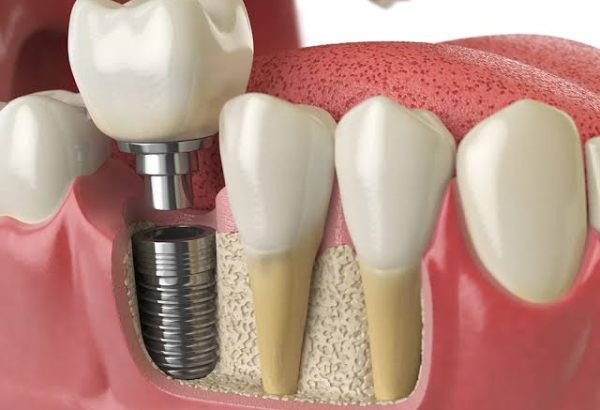
A titanium dental implant is a small, screw-shaped post that is surgically placed into the jawbone to replace the root of a missing tooth. It provides a stable foundation for a dental crown, bridge, or denture.
Titanium is widely used in dentistry because it is biocompatible, meaning the body generally accepts it without treating it as a harmful foreign object. This quality allows the implant to integrate with the surrounding bone through a natural healing process called osseointegration.
Once the implant becomes securely connected to the jawbone, it can support a replacement tooth that looks and functions much like a natural one.
Why Is Titanium Used for Dental Implants?
Titanium offers several qualities that make it suitable for dental restoration:
-
Biocompatibility: It is generally well tolerated by the human body.
-
Strength: It can withstand everyday biting and chewing forces.
-
Durability: With proper care, titanium implants can last for many years.
-
Bone integration: It can bond with the surrounding jawbone during healing.
-
Stability: It provides a secure foundation for replacement teeth.
These properties make titanium a dependable material for replacing missing teeth.
How Does a Titanium Implant Create a Lasting Smile?
The success of a dental implant depends on how effectively it works with the surrounding oral structures. Titanium implants support lasting smiles in several important ways.
1. Provides Strong Support for Replacement Teeth
One of the biggest advantages of titanium implants is their ability to create a stable foundation for artificial teeth. Unlike removable dentures, which may shift during eating or speaking, implants are anchored directly into the jawbone.
This secure placement helps patients enjoy everyday activities with greater confidence. Whether eating a meal or speaking with others, a properly restored implant can provide a natural and comfortable experience.
2. Helps Preserve Jawbone Health
When a natural tooth is lost, the jawbone underneath may gradually weaken because it no longer receives stimulation from the tooth root.
Titanium implants help address this issue by transferring chewing forces to the surrounding bone. This stimulation can help maintain bone structure and reduce the bone loss commonly associated with missing teeth.
Preserving jawbone health also supports facial structure and helps maintain a more natural appearance over time.
3. Restores Natural Chewing Ability
Missing teeth can make chewing difficult, especially when several teeth are affected. People may avoid certain foods because of discomfort or an inability to bite properly.
Dental implants restore a stable biting surface, allowing patients to enjoy a wider variety of foods. Once healing is complete and the final restoration is placed, the implant can function similarly to a natural tooth.
4. Improves Smile Appearance
A missing tooth can create visible gaps that affect facial balance and self-confidence. Titanium implants support custom-made crowns designed to match the shape, size, and colour of surrounding teeth.
The result is a more balanced and natural-looking smile. Since the implant is placed beneath the gumline, the visible replacement tooth can blend seamlessly with the rest of the smile.
What Happens During the Titanium Implant Procedure?
Understanding the treatment process can help patients feel more comfortable before beginning dental restoration.
Initial Consultation and Assessment
The process starts with a dental examination. The dentist evaluates oral health, gum condition, jawbone density, and the position of missing teeth. Dental X-rays or scans may be recommended to determine whether sufficient bone is available for implant placement.
Implant Placement
During the procedure, the dentist places the titanium post into the jawbone. Local anaesthesia is generally used to help minimise discomfort. The implant is positioned carefully to create a suitable foundation for the replacement tooth.
Healing and Osseointegration
After placement, the implant needs time to integrate with the surrounding bone. This process may take several months, depending on individual healing and treatment requirements.
Attaching the Final Crown
Once the implant is sufficiently stable, an abutment and custom-made dental crown are attached. The crown completes the restoration and provides the appearance and function of a natural tooth.
How Can You Maintain a Titanium Implant?
Although titanium implants are designed for long-term use, proper maintenance is essential for protecting them and the surrounding gums.
Consider following these habits:
-
Brush your teeth twice daily using a soft-bristled toothbrush.
-
Clean between teeth with dental floss or recommended interdental brushes.
-
Attend regular dental check-ups and professional cleanings.
-
Avoid smoking because it can interfere with healing and increase implant complications.
-
Limit excessive pressure from habits such as chewing hard objects.
-
Contact your dentist if you notice swelling, bleeding, discomfort, or implant movement.
Good oral hygiene helps reduce the risk of peri-implantitis, an inflammatory condition affecting the tissues surrounding a dental implant.
Who Can Benefit from Titanium Dental Implants?
Titanium implants may be suitable for adults who have lost one or more teeth and want a stable replacement option. However, not everyone is immediately ready for implant treatment.
Healthy gums, adequate jawbone support, and good general oral health are important considerations. Patients with insufficient bone may require additional procedures, such as bone grafting, before implant placement.
A dental professional can assess individual needs and recommend an appropriate treatment plan.
Conclusion
Titanium implants offer an effective way to replace missing teeth while supporting jawbone health, chewing ability, and natural smile appearance. Their strength, biocompatibility, and ability to integrate with the jawbone make them a valuable option for long-term dental restoration. With careful treatment planning and consistent oral hygiene, patients can enjoy improved comfort and confidence for years. Most importantly, regular dental visits help protect the implant and maintain the health of the surrounding tissues, contributing to a healthier and more lasting smile.