
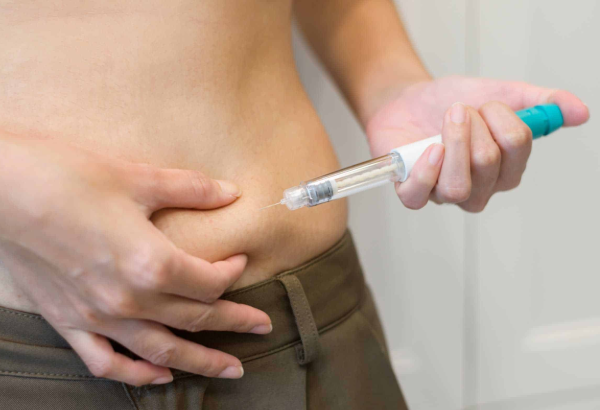
In recent years, interest in medical weight management tools has grown rapidly, and one of the most talked-about options is the weight loss injection. Many people are especially curious about whether these treatments can reduce stubborn abdominal fat, which is often the hardest area to slim down despite diet and exercise efforts. Understanding how these injections work and what they can realistically achieve is essential before setting expectations.
Understanding Belly Fat and Why It Is So Hard to Lose
Belly fat, also known as abdominal fat, is not just a cosmetic concern. It tends to accumulate due to a mix of genetics, hormonal changes, stress levels, and lifestyle habits. Unlike fat stored in other areas of the body, belly fat is often more resistant to change.
There are two main types of abdominal fat:
- Subcutaneous fat: The soft layer just under the skin
- Visceral fat: The deeper fat surrounding internal organs
Visceral fat is particularly stubborn because it is influenced by metabolic and hormonal signals. This is why many people notice that even when they lose weight, the stomach area is often the last place to show visible improvement.
How Weight Loss Injections Influence Fat Loss
Weight loss injections do not directly “melt” belly fat. Instead, they work through biological mechanisms that support overall weight reduction. As the body loses weight, fat is gradually reduced from different areas, including the abdomen.
Appetite Regulation and Metabolism
One of the primary ways these injections support weight loss is by influencing appetite signals in the brain. This can lead to:
- Reduced hunger levels
- Increased feeling of fullness after eating
- Fewer cravings for high-calorie foods
When calorie intake decreases naturally, the body begins using stored fat for energy, which can lead to gradual fat loss over time.
Additionally, some injections may help the body regulate energy use more efficiently, supporting steady weight reduction rather than sudden changes.
Insulin Sensitivity and Fat Storage
Another important factor in fat loss is how the body processes sugar and stores energy. When insulin sensitivity improves, the body is less likely to store excess energy as fat.
This can indirectly support fat reduction around the midsection because abdominal fat is often strongly linked to metabolic imbalance. As the body becomes more balanced in its energy use, it becomes easier to reduce overall fat stores.
Can They Specifically Target Belly Fat?
A common misconception is that weight loss methods can target specific areas of the body. In reality, fat loss occurs throughout the body rather than in one isolated region.
So, while these injections can support overall fat reduction, they do not directly target belly fat alone. However, the abdomen is often one of the areas where people notice changes over time because it tends to hold a significant portion of stored fat.
The order of fat loss depends on individual body composition, but consistent weight reduction usually leads to visible changes in the waistline eventually.
What Results People Typically Notice
Results vary widely depending on lifestyle, body type, and consistency. However, many individuals notice changes in several stages.
Timeline of Changes
In the early stages, most people experience:
- Reduced appetite within the first few weeks
- Gradual decrease in daily calorie intake
- Early weight changes that may not yet be visible in the mirror
As time progresses:
- Noticeable reduction in overall body weight
- Clothing fitting more loosely around the waist
- Gradual decrease in abdominal fullness
It is important to understand that visible belly fat reduction usually takes longer than internal metabolic changes.
Factors Affecting Results
Several factors influence how quickly abdominal fat decreases:
- Starting weight and body composition
- Dietary habits and calorie intake
- Physical activity levels
- Sleep quality and stress management
- Consistency in following healthy routines
Because of these variables, two people using the same approach may experience very different results.
Lifestyle Factors That Enhance Results
While injections can support weight reduction, lifestyle habits play a major role in determining how effectively belly fat decreases.
Nutrition
A balanced eating pattern is essential for reducing abdominal fat. Helpful approaches include:
- Eating whole, minimally processed foods
- Increasing protein intake to support fullness
- Reducing refined sugars and high-calorie snacks
- Including fiber-rich foods to support digestion
When calorie intake aligns with the body’s needs, fat stores begin to decrease more consistently.
Exercise
Physical activity plays a powerful role in shaping the body during weight loss. A combination of approaches works best:
- Cardio exercises help burn calories and improve heart health
- Strength training builds muscle, which increases resting energy use
- Core-focused movements strengthen abdominal muscles for a toned appearance
Even moderate daily activity can significantly support fat reduction over time.
Sleep and Stress
Sleep quality and stress levels are often overlooked but have a strong impact on belly fat. Poor sleep and chronic stress can increase cravings and promote fat storage around the midsection.
Improving these areas may include:
- Maintaining a consistent sleep schedule
- Reducing late-night screen time
- Practicing relaxation techniques such as breathing exercises
- Managing daily stress through structured routines
Better rest and stress balance support healthier hormonal function, which can indirectly help reduce abdominal fat.
Limitations and Realistic Expectations
While weight management injections can be helpful tools, they are not a standalone solution. They work best as part of a broader lifestyle approach rather than a quick fix.
Some important realities include:
- They do not directly target belly fat
- Results depend heavily on personal habits
- Progress is gradual rather than immediate
- Long-term maintenance requires continued healthy routines
Understanding these limitations helps set realistic expectations and prevents frustration during the process.
Conclusion
Belly fat is often one of the most challenging types of fat to lose due to its connection with hormones, metabolism, and lifestyle factors. Weight management injections can support overall fat reduction by influencing appetite, energy use, and metabolic balance. While they do not specifically target abdominal fat, consistent use combined with healthy eating, regular exercise, and good lifestyle habits can lead to noticeable improvements in body composition over time. Ultimately, achieving a slimmer waistline is less about quick fixes and more about creating sustainable habits that support long-term health and steady progress.