
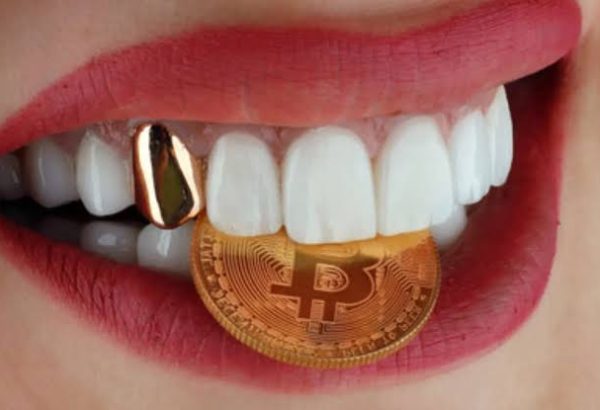
A healthy and attractive smile depends on choosing dental restorations that provide both functionality and long-term reliability. When a tooth becomes damaged, weakened, or severely decayed, dental crowns can help restore its appearance and strength. Among the available options, gold has remained a popular restorative material for many years. People considering Gold Teeth in Dubai often want to understand whether this traditional option offers better durability, comfort, and protection than other dental materials. Gold crowns have several distinctive advantages, making them worth considering for individuals who prioritize strength and long-lasting dental restoration.
What Are Gold Teeth?
Gold teeth are dental restorations made from gold alloys, which may contain other metals to improve their strength and performance. They are commonly used as crowns to cover damaged or weakened teeth, restoring their shape, size, and ability to function properly.
Unlike natural gold jewellery, dental gold is specially formulated for oral use. These alloys are designed to withstand chewing pressure while remaining compatible with the surrounding oral tissues.
How Do Gold Dental Crowns Work?
A gold crown covers the visible portion of a prepared tooth, protecting it from further damage. The dentist carefully shapes the tooth before taking an impression or digital scan. The crown is then manufactured to fit the tooth accurately and secured using dental cement.
This restoration helps maintain normal chewing function and prevents a weakened tooth from breaking further.
Why Are Gold Teeth Considered Durable?
Durability is one of the biggest reasons people choose gold dental restorations. Gold alloys have properties that make them particularly suitable for teeth exposed to repeated chewing forces.
Excellent Strength and Flexibility
Gold alloys are strong but also slightly flexible compared with some brittle restorative materials. This combination allows them to withstand everyday biting and chewing without easily cracking or chipping.
Their ability to adapt to pressure makes them especially useful for restoring back teeth, which experience significant chewing forces.
Resistance to Wear and Corrosion
Another important advantage is gold’s resistance to corrosion. Unlike some metals, dental gold alloys remain stable in the moist environment of the mouth.
They also tend to cause less wear on opposing natural teeth than certain harder restorative materials when properly designed and polished.
Long-Term Performance
Gold crowns have a long history of successful use in dentistry. With appropriate placement and good oral hygiene, they can remain functional for many years. Their longevity depends on factors such as the quality of the restoration, oral habits, and regular dental care.
What Are the Benefits of Choosing Gold Teeth?
Gold restorations offer several advantages beyond their durability. Understanding these benefits can help individuals decide whether this option suits their dental needs.
Preserve More Natural Tooth Structure
Gold crowns can often be made with a relatively conservative tooth preparation compared with some other crown materials. Preserving healthy tooth structure is important because it helps maintain the natural foundation of the tooth.
Comfortable Fit
Gold is a workable dental material that allows dentists to create accurately fitting restorations. A well-fitted crown can feel comfortable during speaking and chewing while supporting normal dental function.
Suitable for Back Teeth
Because gold crowns are durable and withstand chewing pressure, they are frequently considered for molars and other posterior teeth. These teeth play an important role in grinding food, making strength a major consideration.
Are There Any Disadvantages of Gold Teeth?
Although gold crowns provide several benefits, they may not be the ideal choice for everyone. Considering their limitations is equally important.
Noticeable Appearance
The most obvious disadvantage is their metallic colour. Gold crowns are easily visible when smiling or speaking, particularly when placed on front teeth. Individuals who prefer a natural-looking smile may find tooth-coloured alternatives more suitable.
Individual Preferences
Some people appreciate the distinctive appearance of gold, while others prefer restorations that closely match their natural teeth. The right decision depends on personal preferences, the position of the damaged tooth, and dental requirements.
Possible Material Sensitivity
Although uncommon, certain individuals may experience sensitivity or allergic reactions to metals used in dental alloys. Discussing any known metal allergies with a dentist before treatment is essential.
Gold Teeth vs Other Dental Crown Materials
Choosing between different crown materials requires considering appearance, durability, and individual dental conditions.
- Gold crowns: Known for durability, flexibility, and resistance to corrosion.
- Porcelain crowns: Offer a natural appearance and can closely match surrounding teeth.
- Zirconia crowns: Provide considerable strength and an attractive tooth-coloured finish.
- Porcelain-fused-to-metal crowns: Combine a metal foundation with a tooth-coloured outer layer.
Each option has advantages and limitations. A dental professional can recommend a suitable restoration after evaluating the tooth’s condition and the patient’s expectations.
How Can You Maintain Gold Teeth for Long-Lasting Results?
Even though gold crowns are durable, proper oral hygiene is essential to protect the natural tooth underneath and maintain healthy gums.
Follow a Daily Oral Hygiene Routine
Brush twice daily using fluoride toothpaste and clean between your teeth with dental floss or interdental brushes. Pay particular attention to the gumline surrounding the crown because plaque can accumulate in this area.
Avoid Damaging Habits
Avoid chewing ice, biting hard objects, or using your teeth to open packaging. These habits can damage dental restorations or surrounding natural teeth.
Schedule Regular Dental Checkups
Routine dental examinations allow your dentist to monitor the crown, surrounding gums, and underlying tooth. Early detection of potential problems can help prevent more complicated dental issues.
Conclusion
Gold teeth can be an excellent choice for individuals seeking a durable, reliable, and long-lasting dental restoration. Their strength, resistance to corrosion, and ability to withstand chewing pressure make them particularly suitable for back teeth. However, their metallic appearance may not appeal to everyone. Before choosing a crown, consider your dental needs, aesthetic preferences, and long-term expectations. A professional dental assessment can help determine whether gold, porcelain, zirconia, or another material is the most appropriate option for maintaining a healthy and functional smile.