
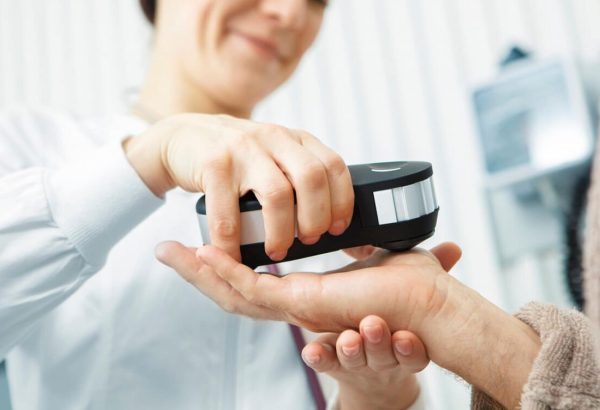
Reliable health information is essential when making decisions about nutrition, lifestyle, and preventive care. Many adults explore wellness assessments to learn more about their nutritional habits and identify areas that may deserve further attention. Oligo Check in Dubai is marketed as a non-invasive optical assessment that provides information about selected mineral and wellness-related indicators. Although the procedure is presented as convenient, no wellness assessment can guarantee completely accurate or comprehensive health information. The reliability of any result depends on the technology used, the scientific evidence supporting its measurements, and how the information is interpreted. Understanding the limitations of Oligo Check can help individuals decide whether it is appropriate for their needs and prevent them from relying on unverified results when medical evaluation is necessary.
What Determines the Accuracy of a Wellness Assessment?
The accuracy of a wellness assessment depends on whether its measurements reflect the biological information the device claims to evaluate. A reliable assessment should have evidence demonstrating that its results are consistent, reproducible, and sufficiently close to an accepted reference method for the intended purpose. Repeatability is important because a measurement should not change substantially without a meaningful reason. Validity is equally important because a device can produce consistent readings without accurately measuring the intended health parameter. Oligo Check is marketed as providing information about selected minerals and other wellness indicators through optical scanning, but the existence of a report does not establish that every measurement is medically valid. Before relying on any result, individuals should consider the scientific evidence supporting the specific measurement and whether it has been independently compared with appropriate clinical tests.
How Oligo Check Uses Optical Scanning Technology
Oligo Check is generally described as a non-invasive assessment that uses optical technology to scan the palm or skin and generate a report. Optical devices work by directing light toward a surface and measuring how that light interacts with the material being examined. Depending on the technology, the resulting signal may reflect characteristics such as absorption or reflection. However, detecting an optical signal is not the same as directly measuring the concentration of a mineral in blood, organs, or other body tissues. To establish that a scan can accurately estimate a specific mineral, the device requires appropriate validation against reliable reference methods. Without sufficient evidence, the displayed values should not be interpreted as definitive measurements of a person’s nutritional status. Understanding this distinction is important when evaluating the usefulness of optical wellness assessments.
Can Oligo Check Guarantee Accurate Results?
No wellness assessment can guarantee completely accurate results in every situation, and Oligo Check should not be considered an exception. More importantly, the accuracy of its individual mineral and wellness measurements must be established through suitable scientific studies. Independent evidence validating the device’s specific claims appears limited, so its results should be interpreted cautiously rather than treated as confirmed medical findings. A report may identify areas that the device categorizes as potential concerns, but those categories do not necessarily establish a deficiency, excess, or disease. Even validated medical tests have limitations and must be interpreted in context. Individuals should therefore avoid making important health decisions solely on the basis of an Oligo Check report. If a result raises concerns about a possible nutritional problem, a qualified healthcare professional can determine whether further assessment is appropriate.
Understanding the Difference Between Consistency and Reliability
Consistency and reliability are related concepts, but they do not automatically prove that a device measures the correct thing. A device may produce similar readings when the same procedure is repeated, yet those readings may still fail to reflect the actual mineral concentration in the body. This distinction is important when evaluating wellness technology. Scientific validation should establish both the repeatability of measurements and their agreement with an accepted reference method. Researchers may also need to evaluate how well a device performs across different people and under different conditions. Without such evidence, users cannot assume that repeated Oligo Check readings confirm the accuracy of the report. A healthcare professional should consider the evidence available for the specific measurement before using it to inform a medical decision.
Factors That May Influence Assessment Results
The reliability of a measurement can be influenced by the device’s design, calibration, operating conditions, and the procedure followed during the assessment. For optical scanning systems, factors related to the skin and measurement environment may also affect the signal. However, the importance of each factor depends on the particular device and its technology, so it should not be assumed that every possible influence has been established for Oligo Check. More broadly, nutritional status itself is complex. The amount of a mineral obtained through food does not necessarily indicate how much is absorbed, stored, or available for biological functions. Different minerals are regulated and distributed differently throughout the body. Consequently, an assessment that claims to provide information about multiple minerals needs appropriate evidence for each measurement rather than relying on one general claim about the technology.
Why Medical Laboratory Tests Remain Important
Laboratory testing remains important when a healthcare professional needs to investigate a suspected mineral deficiency or excess. Different nutrients require different methods of assessment, and the correct test depends on the clinical question. For example, iron deficiency is commonly investigated through a complete blood count and iron studies, including ferritin when appropriate. Calcium may need to be interpreted alongside albumin, kidney function, vitamin D, or other relevant information. Magnesium, zinc, and other nutrients may require specific tests depending on the individual’s symptoms and risk factors. Not every test is appropriate for every person, and some laboratory measurements have limitations of their own. However, validated tests are selected because they have established uses in clinical evaluation. An Oligo Check report should not replace these investigations when a medical professional believes further testing is necessary.
Can Oligo Check Identify the Cause of Symptoms?
Symptoms such as fatigue, muscle cramps, hair changes, weakness, and difficulty concentrating can have many possible causes. Nutritional deficiencies may contribute to some of these problems, but symptoms alone rarely identify a particular mineral deficiency. Sleep difficulties, stress, anemia, thyroid disorders, medication effects, and other medical conditions may produce similar experiences. Oligo Check should not be relied upon to determine the underlying cause of symptoms or establish a diagnosis. If a person experiences persistent or worsening symptoms, the appropriate next step is a medical assessment. A healthcare professional can review the person’s medical history, diet, medications, and symptoms before deciding whether laboratory tests or other investigations are required. This approach helps prevent an unrelated health problem from being overlooked because a wellness report suggests a particular explanation.
How to Interpret an Oligo Check Report Responsibly
Anyone receiving an Oligo Check report should ask the practitioner to explain what each result represents and what evidence supports its interpretation. It is reasonable to ask whether the measurement has been independently validated, whether it corresponds with an accepted reference test, and whether the result has established clinical significance. Individuals should also clarify whether the assessment is intended for general wellness education or medical decision-making. A report suggesting a possible imbalance should not automatically lead to restrictive diets, expensive supplements, or detoxification treatments. Instead, the finding can be treated as a question to discuss with a qualified healthcare professional if it relates to a genuine health concern. Responsible interpretation means recognizing the difference between a device-generated estimate and a confirmed clinical finding.
The Risks of Relying on Unverified Health Information
Making health decisions based on unverified results can lead to unnecessary worry, avoidable expenses, or inappropriate treatment. For example, someone who believes a report confirms a deficiency may begin taking supplements without knowing whether the nutrient is actually low. Excessive supplementation can cause side effects, interact with medications, or interfere with the absorption of other nutrients. Similarly, a report that appears reassuring may create false confidence and delay medical attention for an existing problem. These risks are particularly important for people with chronic illnesses, kidney disorders, or medication regimens that affect mineral regulation. Individuals should not stop prescribed medicines, change treatment plans, or begin high-dose supplements solely because of an Oligo Check result. Medical decisions should be based on appropriate evidence and professional guidance.
Questions to Ask Before Choosing Oligo Check
Before booking an Oligo Check assessment, individuals should ask what the device measures and whether independent research supports those specific claims. They can ask how the reported values were validated, whether the assessment is recognized as a diagnostic method for the intended purpose, and when additional testing is recommended. It is also useful to clarify what the consultation includes, how the results will be explained, and whether any follow-up services or supplements carry additional charges. A responsible provider should communicate the limitations clearly and avoid presenting the scan as a guaranteed way to detect deficiencies or diagnose disease. People should feel comfortable seeking a second opinion if the recommendations appear excessive or are based entirely on a report that has not been medically confirmed.
Better Ways to Support Reliable Preventive Wellness
Reliable preventive wellness involves combining healthy habits with appropriate medical care. A varied diet, regular physical activity, adequate sleep, hydration, and stress management can support general well-being. Routine medical checkups and recommended screening tests can help identify concerns according to a person’s age, medical history, and risk factors. If a nutritional deficiency is suspected, a qualified healthcare professional can recommend a dietary assessment and suitable laboratory testing. Supplements may be appropriate in specific circumstances, but the decision should reflect individual requirements and established evidence. Oligo Check may be discussed as an optional wellness service, but it should not be the foundation of a medical diagnosis or treatment plan. The goal is to make informed decisions using information that is appropriate for the health question being addressed.
Conclusion
Oligo Check cannot guarantee accurate and reliable health information for every individual or every parameter it claims to assess. Although it is marketed as a convenient, non-invasive optical wellness assessment, the validity of its specific measurements depends on adequate independent scientific evidence. Its report should not be treated as definitive proof of mineral deficiency, mineral excess, heavy-metal exposure, or disease. Adults interested in the assessment should ask about its limitations and avoid making medical decisions based on the results alone. When symptoms or nutritional concerns arise, validated laboratory testing and professional medical evaluation remain important. A balanced diet, sustainable lifestyle habits, and evidence-based preventive care provide a more dependable foundation for protecting long-term health.
Frequently Asked Questions
Can Oligo Check guarantee accurate results?
No. No assessment can guarantee complete accuracy in every situation. The reliability of Oligo Check depends on the scientific validation of each measurement, and its results should not automatically be treated as confirmed medical findings.
Is Oligo Check scientifically proven to measure mineral levels?
The scientific evidence supporting individual Oligo Check measurements should be examined carefully. Independent validation against appropriate reference methods is necessary before its results can be considered reliable for a particular medical purpose.
Can I use Oligo Check instead of blood tests?
No. If a healthcare professional suspects a mineral deficiency or another medical condition, appropriate validated tests may be necessary. Oligo Check should not replace clinically indicated laboratory investigations.
Should I take supplements based on my report?
You should not start high-dose supplements solely because of an Oligo Check result. A healthcare professional can help determine whether supplementation is necessary and whether further testing is appropriate.
Can Oligo Check diagnose the reason for fatigue?
It should not be relied upon to diagnose the cause of fatigue. Persistent tiredness may be associated with many conditions, so a healthcare professional should evaluate the symptoms and recommend suitable investigations.
What should I do if my Oligo Check report shows an imbalance?
Ask the practitioner to explain the finding and its limitations. If you have symptoms or a genuine nutritional concern, consult a qualified healthcare professional to determine whether a validated test is needed before taking action.
Is Oligo Check useful for preventive wellness?
It may provide an opportunity to discuss general wellness habits, but its results should be interpreted cautiously. Preventive wellness should primarily rely on evidence-based lifestyle guidance, appropriate medical checkups, and validated screening when indicated.