
Understanding Why Dental Implants Become Loose
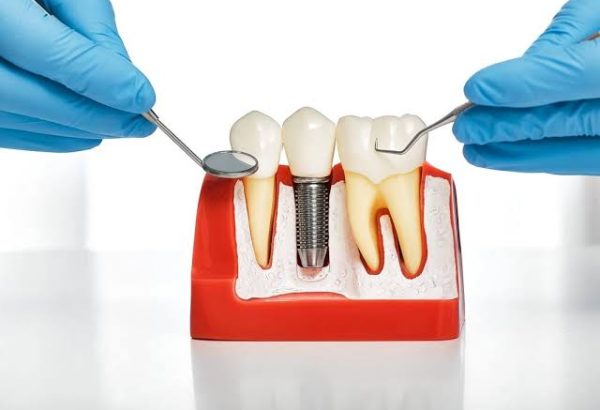
Dental implants are placed into the jawbone, where they gradually integrate with the bone through a process called osseointegration. This connection provides the stability needed to support a crown, bridge, or denture. If this bond becomes compromised, the implant may lose its strength and stability.
Common Causes of Implant Loosening
Several factors can contribute to implant mobility. Poor healing after implant placement, insufficient bone support, excessive pressure from biting, and inadequate oral hygiene can all affect implant stability. Smoking, certain medical conditions, and untreated gum infections may also interfere with healing.
In some cases, the implant itself remains firmly attached to the bone, but the crown or abutment becomes loose. This distinction is important because the treatment depends on which component is affected. A dentist can evaluate the implant and determine whether the issue involves the restoration, connecting screw, or implant fixture.
Why Prompt Attention Is Important
A loose dental implant may seem like a minor inconvenience at first, especially if it does not cause pain. Nevertheless, delaying professional assessment can allow the underlying problem to progress.
Preventing Further Damage to the Implant
When an implant moves during chewing, it may experience additional stress. Repeated movement can interfere with the healing process or worsen an already weakened connection. If the implant is still integrating with the jawbone, excessive movement may prevent successful healing.
Early evaluation allows a dentist to identify the cause of instability and recommend appropriate measures before the condition becomes more difficult to manage.
Protecting the Surrounding Bone and Gums
Healthy gums and supporting bone are essential for maintaining dental implant stability. Inflammation around an implant, known as peri-implant mucositis, may cause redness, swelling, and bleeding. If left untreated, it can progress to peri-implantitis, which involves damage to the supporting bone.
Early treatment can help protect the tissues surrounding the implant and reduce the risk of progressive bone loss.
Regular dental examinations and proper oral hygiene are particularly important for patients with implants because early signs of complications may not always be noticeable.
Signs That Your Dental Implant Needs Attention
Not every loose implant causes severe discomfort. Recognising the warning signs can help patients seek care before the problem worsens.
Symptoms You Should Not Ignore
Common symptoms associated with implant complications include:
-
Movement or wobbling when chewing or touching the implant
-
Pain or tenderness around the implant site
-
Red, swollen, or bleeding gums
-
Difficulty biting or chewing comfortably
-
A crown that feels unstable or changes position
-
Unpleasant taste or persistent bad breath around the implant
If the implant or its attached crown feels unstable, avoid repeatedly touching or testing it. Doing so may increase irritation or place additional stress on the affected area.
How Dentists Diagnose and Treat a Loose Implant
The first step is a thorough dental examination. The dentist will assess the implant, surrounding gums, bite alignment, and any visible movement. Dental X-rays may be recommended to examine bone levels and identify possible changes around the implant.
Treatment Depends on the Underlying Cause
If the crown or connecting screw is loose while the implant remains stable, the dentist may tighten or replace the affected component. If inflammation is present, professional cleaning and improved oral hygiene may help manage the condition.
When bone loss or implant failure is suspected, additional treatment may be necessary. In more advanced situations, removing the implant, allowing the tissues to heal, and considering future replacement may be the safest approach. Every case requires individual assessment rather than a one-size-fits-all solution.
How to Maintain Long-Term Implant Stability
Preventive care plays a major role in keeping dental implants healthy. Patients should brush twice daily using a soft-bristled toothbrush, clean between their teeth with suitable interdental tools, and attend regular dental check-ups. Avoiding smoking and managing teeth grinding can also help reduce stress on implants.
Protect Your Implant With Healthy Habits
Avoid chewing excessively hard foods if your implant feels uncomfortable, and never attempt to tighten or repair a loose implant at home. Follow your dentist’s recommendations regarding cleaning techniques, bite protection, and maintenance visits.
Conclusion
A loose dental implant deserves prompt attention because it may indicate a problem with the restoration, implant stability, surrounding gums, or supporting bone. Early diagnosis can help prevent further damage, preserve oral health, and improve the chances of successful treatment. If you notice movement, discomfort, swelling, or bleeding around your implant, arranging a dental evaluation as soon as possible is the best way to protect your smile and maintain long-term oral function.