
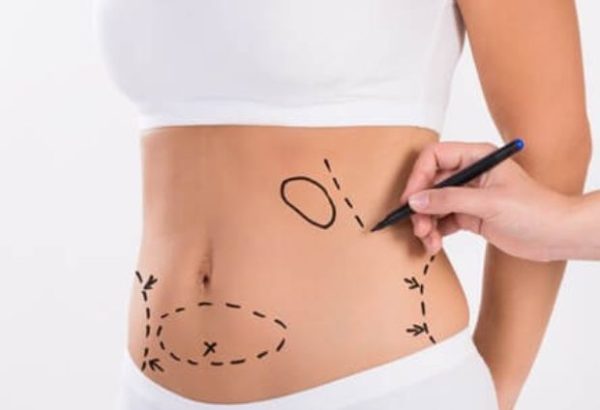
Loose abdominal skin, stubborn fat deposits, and weakened abdominal muscles can affect the overall shape of the midsection. These changes may occur after pregnancy, significant weight loss, or natural aging. Tummy tuck surgery, also known as abdominoplasty, is a cosmetic procedure designed to remove excess skin and improve the appearance of the abdomen. It may also involve tightening separated or weakened abdominal muscles when appropriate. Dynamic Life Clinic offers consultations to help patients understand their surgical options and treatment goals. Tummy Tuck Dubai may be considered by individuals seeking a firmer-looking abdomen and more defined body contours.
Removing Excess Abdominal Skin
One of the main ways tummy tuck surgery improves body contours is by removing excess skin from the abdominal area. After pregnancy or substantial weight loss, the skin may not retract sufficiently to match the body’s new shape. This can leave folds that hang over the lower abdomen or create an uneven appearance beneath clothing. During a tummy tuck, the surgeon removes selected excess skin and repositions the remaining tissue to create a smoother abdominal profile. The amount of skin removed depends on the patient’s anatomy, skin elasticity, and surgical plan. The procedure leaves a permanent scar, the position and visibility of which vary between individuals.
Creating a Firmer-Looking Midsection
A tummy tuck can help create a firmer appearance by addressing loose skin and, when necessary, tightening the underlying abdominal muscles. Pregnancy and changes in body weight can contribute to separation of the rectus abdominis muscles, a condition known as diastasis recti. In selected patients, surgical muscle repair can bring these muscles closer together and improve the abdominal wall’s appearance. This may create a flatter-looking midsection, although results depend on the individual’s anatomy and healing. Muscle tightening is not performed in every case, and a surgeon must determine whether it is suitable based on a clinical assessment.
Improving the Shape of the Waistline
Excess skin and abdominal laxity can make the waistline appear less defined. By removing selected skin and improving the contour of the abdominal area, tummy tuck surgery may create a more streamlined transition between the waist and hips. Some patients may also have localised fat deposits that contribute to their concerns. Liposuction may sometimes be combined with abdominoplasty when appropriate, but it serves a different purpose from skin removal and muscle repair. The treatment plan should be based on the patient’s body shape, skin quality, and desired outcome rather than a promise of a particular waist measurement.
Addressing Changes After Pregnancy or Weight Loss
Pregnancy and significant weight loss can change the abdominal area in ways that exercise alone may not fully correct. Stretched skin, persistent folds, and muscle separation can remain even when a person maintains a healthy lifestyle. Tummy tuck surgery may help address these changes by removing excess skin and improving abdominal wall contour when muscle repair is appropriate. However, it is not a weight-loss procedure and does not replace healthy eating or regular physical activity. Patients who are planning future pregnancies or major weight changes may be advised to postpone surgery because these changes can affect the results.
Enhancing the Fit of Clothing and Overall Proportions
Excess abdominal skin can bunch beneath clothing, create visible folds, or make certain garments feel uncomfortable. A smoother abdominal profile after surgery may help clothing fit differently and improve the overall balance between the abdomen and surrounding body areas. These changes can support greater comfort and confidence for some patients. However, individual experiences vary, and surgery cannot guarantee a particular clothing size or emotional outcome. The main objective is to address the physical concerns identified during consultation and establish realistic expectations about the possible improvements and limitations.
Checkpoints Before Choosing Tummy Tuck Surgery
A tummy tuck is a significant surgical procedure that requires careful planning and recovery. Patients should understand the expected benefits, possible complications, and lifestyle factors that may affect the result before making a decision.
- Stable body weight: Surgery is generally better considered when weight is relatively stable, as major changes can affect the abdominal contour.
- Skin and muscle assessment: A surgeon evaluates excess skin, abdominal wall strength, and possible muscle separation.
- Pregnancy plans: Future pregnancy can stretch the abdomen and alter the surgical outcome.
- Recovery arrangements: Patients may need time away from work, assistance with daily activities, and temporary restrictions on lifting and exercise.
- Scar expectations: Tummy tuck surgery leaves a scar, which typically fades over time but does not disappear completely.
- Potential complications: Risks can include bleeding, infection, fluid accumulation, blood clots, wound-healing problems, and changes in sensation.
Frequently Asked Questions
Does Tummy Tuck Surgery Make the Abdomen Flatter?
Tummy tuck surgery can create a flatter-looking abdomen by removing excess skin and, when appropriate, tightening separated abdominal muscles. The outcome depends on the patient’s anatomy, the amount of loose skin, and the surgical technique. It is not intended to produce weight loss or guarantee a specific abdominal shape.
Can a Tummy Tuck Remove All Abdominal Fat?
No. The primary purpose of a tummy tuck is to remove excess skin and improve abdominal contour. Liposuction may be used alongside surgery in selected cases to address certain fat deposits, but neither procedure is a substitute for weight management. The surgeon will explain which concerns can realistically be addressed.
Is Tummy Tuck Surgery Helpful After Pregnancy?
It may help people who have persistent loose abdominal skin or muscle separation after pregnancy. However, patients are generally advised to wait until they have recovered from childbirth and completed their planned pregnancies before considering surgery. A medical assessment is necessary to determine suitability and discuss the risks.
How Long Does It Take to Recover From a Tummy Tuck?
Recovery varies according to the extent of surgery and the patient’s healing process. Swelling, discomfort, and restricted movement are common during the early recovery period. Many patients need several weeks before returning to normal activities, while strenuous exercise and heavy lifting may require a longer delay. The surgeon provides individual recovery instructions.
Are Tummy Tuck Results Permanent?
The skin removed during surgery does not grow back, so some changes can be long-lasting. However, significant weight fluctuations, pregnancy, and natural aging can alter the abdominal contour. Maintaining a stable weight and following postoperative guidance can help preserve the result, although no outcome is completely immune to future body changes.
Professional Guidance at Dynamic Life Clinic
Choosing tummy tuck surgery begins with understanding which abdominal concerns are caused by excess skin, muscle separation, or localised fat. At Dynamic Life Clinic, patients can discuss their goals, medical history, suitability for surgery, and expected recovery during a personalised consultation. A qualified surgeon can explain the available surgical approaches, likely scar placement, potential complications, and realistic outcomes. This assessment helps patients make informed decisions based on their individual needs rather than relying on general expectations.
Conclusion
Tummy tuck surgery can improve body contours by removing excess abdominal skin, tightening separated muscles when appropriate, and creating a smoother-looking midsection. It may be particularly helpful for people experiencing persistent skin laxity after pregnancy or significant weight loss. However, it is not a weight-loss treatment, and results depend on individual anatomy, healing, and future body changes. A thorough consultation and realistic expectations are essential before proceeding with surgery.