
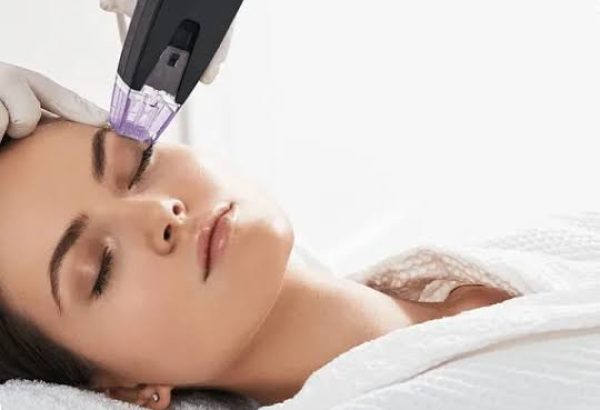
Facial skin naturally changes with age, sun exposure, lifestyle factors, and gradual changes in collagen and elastin. Fine lines may become more visible, skin can lose some firmness, and texture may appear less smooth. These concerns have increased interest in minimally invasive treatments that can refresh the appearance of the skin without the recovery associated with surgery. Morpheus8 combines microneedling with radiofrequency energy, making it a popular option for people looking to address several signs of facial aging at the same time. For people considering Morpheus8 Treatment Dubai for facial renewal, understanding why the treatment has gained attention can help set realistic expectations. Research on radiofrequency microneedling supports improvements in skin texture, tightening, wrinkles, and overall facial rejuvenation, although outcomes vary between patients and treatment protocols.
What Is Morpheus8?
Morpheus8 is a radiofrequency microneedling treatment designed to deliver controlled RF energy into targeted layers of the skin. The microneedles create tiny treatment points while the radiofrequency energy produces controlled thermal effects below the surface. This combination is intended to encourage a healing response and collagen remodeling.
Unlike a basic facial treatment that mainly works at the surface, radiofrequency microneedling can target deeper skin layers. This makes it useful for concerns involving texture, firmness, fine lines, and mild skin laxity. Research describes radiofrequency microneedling as a minimally invasive approach to facial rejuvenation with applications across several facial areas.
Why Is Morpheus8 Popular for Facial Renewal?
One reason for its popularity is versatility. Facial aging rarely appears as one isolated concern. A person may have fine lines, uneven texture, enlarged pores, mild laxity, and acne scars at the same time. A treatment that can address several of these concerns within a planned protocol may therefore be appealing.
Radiofrequency-based facial treatments have been associated with improvements in skin texture and firmness, while studies of radiofrequency microneedling have also reported benefits for wrinkles, photoaging, and skin laxity.
Can Morpheus8 Improve Skin Texture?
Skin texture is an important part of facial appearance. Roughness, enlarged pores, acne scars, and fine surface irregularities can make skin appear older or less even even when there are relatively few wrinkles. Morpheus8 may help improve the appearance of these concerns by combining controlled microneedling with RF energy.
Clinical research on radiofrequency microneedling has reported improvements in skin texture and acne scarring, although the degree of improvement depends on the condition being treated and the treatment protocol. A recent systematic review found consistent improvements in several aesthetic outcomes, with skin texture among the areas showing meaningful benefit.
Does It Help With Fine Lines and Wrinkles?
Fine lines are often among the earliest visible signs of facial aging. They develop through a combination of collagen changes, repeated facial movement, environmental exposure, and reduced skin elasticity. Improving the underlying quality of the skin may make these lines appear softer over time.
Radiofrequency treatments have been studied for facial wrinkles and skin aging, with research reporting improvements in wrinkle appearance and skin elasticity. Morpheus8 may be considered when fine lines occur alongside concerns such as reduced firmness or uneven texture.
Can Morpheus8 Make Skin Look Firmer?
Loss of firmness is another reason people seek facial rejuvenation treatments. As collagen structure changes with age, the skin may begin to look less supported, particularly around the cheeks, jawline, and lower face. Radiofrequency energy is intended to stimulate controlled remodeling within the dermis.
Studies of RF-based facial rejuvenation have reported improvements in skin firmness and laxity, although the strength of evidence varies across different devices and treatment approaches. A 2025 systematic review found improvements in skin firmness across the RF studies it evaluated, while also noting differences in study methods and reporting.
Is Morpheus8 Useful for the Jawline and Lower Face?
The jawline and lower face can show changes in skin laxity as collagen production declines. Mild jowling or less-defined contours may become more noticeable even when there is not enough excess skin to justify surgery. This creates an area where minimally invasive tightening treatments may be considered.
Radiofrequency microneedling has been studied specifically for areas including the lower face, jawline, and neck. Research suggests that appropriately selected patients may experience improvements in laxity and overall skin appearance, although a device-based treatment should not be expected to reproduce the lifting effect of a surgical facelift.
Can It Address More Than One Skin Concern?
A major attraction of facial renewal treatments is the possibility of addressing several concerns within one overall treatment plan. Someone seeking smoother skin may also want to improve fine lines, mild laxity, acne scars, or enlarged pores.
Radiofrequency microneedling has been investigated for multiple facial indications, including cheeks, periorbital areas, the jawline, neck, wrinkles, photoaging, and acne scars. This broad range of applications is one reason it has become an increasingly discussed option in aesthetic dermatology.
Why Is the Treatment Considered Minimally Invasive?
Morpheus8 does not involve surgical incisions or removal of excess skin. Instead, small needles create controlled treatment points while RF energy is delivered into the targeted tissue. This makes the procedure different from surgical facial rejuvenation.
The minimally invasive nature can be appealing to patients who want noticeable skin improvement while avoiding the longer recovery associated with surgery. However, minimally invasive does not mean risk-free, and treatment intensity, technique, skin type, and aftercare all influence the recovery experience.
What Makes the Results Look Gradual?
Morpheus8 is designed to stimulate remodeling rather than simply create a temporary surface effect. After treatment, the skin begins a healing process that can involve changes in collagen structure. Because this process takes time, improvements are generally gradual.
Patients may notice changes in texture or firmness during the weeks following treatment, with further improvement developing as collagen remodeling continues. This gradual progression can contribute to a more natural-looking result, but it also means the treatment should not be judged immediately after a session.
Is There Much Downtime?
Recovery is one of the factors people consider when comparing facial rejuvenation treatments. Radiofrequency microneedling generally has a shorter recovery period than surgery, although temporary redness, swelling, sensitivity, or discomfort can occur.
Recent systematic reviews describe redness, swelling, and temporary discomfort as common short-term effects, while serious complications were uncommon in the reviewed studies. Recovery can still vary depending on treatment intensity and individual skin response.
Is Morpheus8 Suitable for Different Skin Types?
Treatment suitability depends on more than age or the presence of wrinkles. Skin tone, sensitivity, pigmentation history, current skin conditions, and previous treatments should all be considered before radiofrequency microneedling. Research has evaluated radiofrequency microneedling across different skin types and reported generally favorable safety outcomes. However, individualized settings and appropriate aftercare remain important, particularly for people who are prone to post-inflammatory pigmentation.
How Many Treatments May Be Needed?
The number of sessions depends on the patient’s concerns and the degree of improvement desired. Some people may benefit from a single treatment, while others may be advised to have a series of sessions spaced appropriately apart.
Treatment planning may consider skin laxity, acne scarring, texture, wrinkles, treatment area, previous procedures, and individual healing response. A personalized plan is generally more appropriate than using the same treatment schedule for every patient.
Signs You Should Pay Attention To
Not every change in facial skin should automatically be treated as a cosmetic aging concern. Sudden changes, persistent inflammation, or unusual lesions should be assessed before an aesthetic procedure is considered.
Pay attention to:
- Rapidly changing skin texture or pigmentation
- New or changing moles or pigmented lesions
- Persistent redness or inflammation
- Unexplained swelling
- Active skin infections or irritation
- Sudden changes that do not resemble normal aging
Any suspicious or changing lesion should be medically assessed before cosmetic treatment.
Checkpoint: Is Morpheus8 Right for Facial Renewal?
Morpheus8 may be worth considering when several concerns are present together, such as fine lines, mild laxity, uneven texture, enlarged pores, or acne scarring. Its ability to combine microneedling with radiofrequency energy makes it different from treatments that focus only on the skin surface.
However, it is not a universal solution. Significant excess skin, advanced facial sagging, or certain untreated skin conditions may require a different approach. A professional assessment should determine whether radiofrequency microneedling is appropriate and what level of improvement is realistic.
Dynamic Clinic: An Option to Consider for Facial Renewal
Choosing an experienced provider is an important part of any energy-based facial treatment. Dynamic Clinic can be considered by people in Dubai who are exploring Morpheus8 for concerns involving skin texture, firmness, fine lines, acne scars, or mild facial laxity.
A good treatment plan should begin with an assessment rather than immediately selecting treatment settings. The provider should consider the patient’s skin type, treatment area, previous procedures, desired outcome, and recovery expectations. This helps keep the procedure personalized and avoids unrealistic promises about what facial renewal can achieve.
FAQs
Why has Morpheus8 become so popular?
Morpheus8 has gained attention because it combines microneedling and radiofrequency energy and can be used for several facial concerns. It may help improve texture, fine lines, mild laxity, and acne scarring while generally requiring less recovery than surgery.
Does Morpheus8 make the face look younger?
It may improve several visible signs of skin aging, including fine lines, uneven texture, and mild loss of firmness. The result is generally an improvement in skin quality rather than a complete reversal of facial aging.
Is Morpheus8 better than regular microneedling?
The two treatments are different. Regular microneedling relies primarily on controlled micro-injuries, while Morpheus8 adds radiofrequency energy at targeted depths. Which option is more appropriate depends on the patient’s concerns and treatment goals.
How quickly can facial renewal results appear?
Some changes may become noticeable during the early recovery period, but collagen remodeling takes time. More meaningful improvements are generally assessed over several weeks or months rather than immediately after treatment.
Can Morpheus8 replace a facelift?
No. Morpheus8 is a minimally invasive treatment and is generally better suited to skin quality concerns and mild-to-moderate laxity. A facelift can address significant excess skin and deeper structural changes that a device-based treatment cannot fully reproduce.
Conclusion
Morpheus8 is popular for facial renewal because it combines two treatment approaches—microneedling and radiofrequency energy—to target several aspects of skin aging. Research on radiofrequency microneedling supports improvements in texture, wrinkles, firmness, and skin laxity, while recent reviews also report high patient satisfaction and generally favorable short-term safety profiles.