Sign Up

Continue with Google
or use


Have an account? Sign In Now

Sign In

Continue with Google
or use


Forgot Password?

Need An Account, Sign Up Here

Forgot Password

Lost your password? Please enter your email address. You will receive a link and will create a new password via email.


Have an account? Sign In Now

Sorry, you do not have permission to ask a question, You must login to ask a question. Please subscribe to paid membership

Continue with Google
or use


Forgot Password?

Don't have account, Sign Up Here
Please subscribe to paid membership

Sorry, you do not have permission to add post. Please subscribe to paid membership

Continue with Google
or use


Forgot Password?

Don't have account, Sign Up Here
Please subscribe to paid membership

Please briefly explain why you feel this question should be reported.

Please briefly explain why you feel this answer should be reported.

Please briefly explain why you feel this user should be reported.

Sign InSign Up

Query Karo

Query Karo

Query Karo Navigation

  • NexTec Interior Solutions
    • RPSqF
    • Quotation
    • CPL
    • Catalogue
    • Video
    • Marketing
    • Quick Links
      • Training
      • T&Cs
  • No1. CCTV Solution
    • Add-Ons
    • B2C P/L
    • Check-Out/In
    • Price
    • Service Charge
    • We Gen Id
    • Quick Links
      • CP+ Products
      • Qubo Products
  • No1. Cyber Cafe
    • Quick Links
    • CN: 1 Daily I-Calculator (Sunday Off)
    • CN: 2 DIC (Friday Off)
    • Service Charge
    • Annual Customers Worksheet
    • Forms
    • Print
    • CCM
  • Home Tuition
    • Tuition Fee
    • Book Demo Classes
  • Tutor
    • Tutor Registration
    • T&Cs
  • Parents
Search
Ask A Question

Mobile menu

Close
Ask a Question
  • NexTec Interior Solutions
    • RPSqF
    • Quotation
    • CPL
    • Catalogue
    • Video
    • Marketing
    • Quick Links
      • Training
      • T&Cs
  • No1. CCTV Solution
    • Add-Ons
    • B2C P/L
    • Check-Out/In
    • Price
    • Service Charge
    • We Gen Id
    • Quick Links
      • CP+ Products
      • Qubo Products
  • No1. Cyber Cafe
    • Quick Links
    • CN: 1 Daily I-Calculator (Sunday Off)
    • CN: 2 DIC (Friday Off)
    • Service Charge
    • Annual Customers Worksheet
    • Forms
    • Print
    • CCM
  • Home Tuition
    • Tuition Fee
    • Book Demo Classes
  • Tutor
    • Tutor Registration
    • T&Cs
  • Parents

Health

Share
  • Facebook
13 Followers
18 Answers
512 Questions
Home/Health/Page 7
  • Recent Questions
  • New Questions
  • Sticky Questions
  • Random
  • Most Answered
  • Answers
  • No Answers
  • Most Visited
  • Most Voted
  • Bump Question
  • Polls
  • Followed Questions
  • Favorite Questions
royalclinic
  • 0
royalclinicIron
Asked: June 16, 2026In: Health

Eyelid Xanthelasma Removal for Stubborn Cholesterol Deposits Around the Eyes

  • 0
Eyelid Xanthelasma Removal for Stubborn Cholesterol Deposits Around the Eyes

Read more

Vivek Tiwari-sm/main:[--thread-content-margin:var(--thread-content-margin-sm,calc(var(--spacing)*6))] Vivek Tiwari-lg/main:[--thread-content-margin:var(--thread-content-margin-lg,calc(var(--spacing)*16))] px-(--thread-content-margin)">
Vivek Tiwari-lg/main:[--thread-content-max-width:48rem] mx-auto max-w-(--thread-content-max-width) flex-1 group/turn-messages focus-visible:outline-hidden relative flex w-full min-w-0 flex-col agent-turn" data-conversation-screenshot-content="">

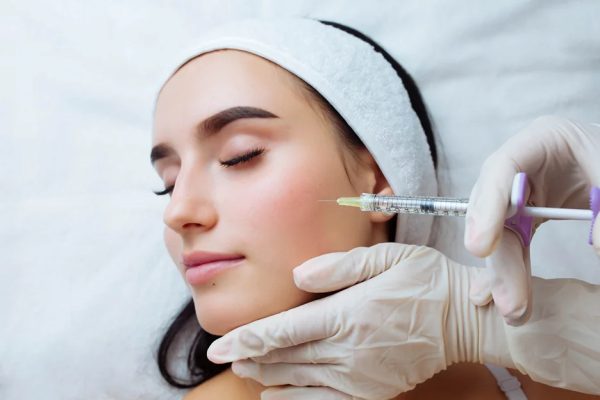
Xanthelasma refers to soft, yellowish cholesterol-rich deposits that typically appear on or around the eyelids. These formations are not usually painful, but they can become a significant cosmetic concern due to their visible placement on the face. Many individuals notice gradual changes in the skin texture near the inner corners of the eyes, often without any clear symptoms in the beginning. Over time, these deposits may enlarge or multiply, creating uneven patches that affect facial harmony. One of the most commonly discussed solutions in aesthetic dermatology today is Eyelid Xanthelasma Removal in Dubai, which focuses on improving both appearance and skin clarity while addressing the underlying cholesterol buildup at a surface level.

Understanding Xanthelasma and Cholesterol Deposits Around the Eyes

Xanthelasma forms when lipid-rich substances accumulate within skin cells, particularly in the delicate eyelid region. The skin around the eyes is thin and highly vascular, making it more susceptible to visible lipid deposits compared to other areas of the face. These plaques are generally soft, flat, and yellow in color, although they may become slightly raised as they develop. While they are benign in nature, their progressive appearance often leads individuals to seek aesthetic correction. The condition is commonly associated with lipid metabolism imbalances, although it can also appear in individuals with normal cholesterol levels, making it unpredictable in its onset.

Causes and Risk Factors Behind Cholesterol Deposits

The development of xanthelasma is influenced by a combination of metabolic and lifestyle factors. Elevated cholesterol levels remain one of the most recognized contributors, particularly low-density lipoprotein (LDL), which can infiltrate skin tissues over time. However, not all cases are linked to systemic lipid disorders. Genetic predisposition plays a significant role, meaning some individuals may develop deposits regardless of their dietary habits or overall health status. Additional risk factors include insulin resistance, thyroid dysfunction, and prolonged exposure to oxidative stress. Aging skin also becomes more prone to visible lipid accumulation, especially in the eyelid region where skin regeneration is naturally slower.

How Eyelid Xanthelasma Develops Over Time

The formation of xanthelasma is a gradual biological process rather than an overnight change. Initially, microscopic lipid deposits begin accumulating in dermal macrophages, which are cells responsible for clearing waste materials. Over time, these cells become overloaded and cluster near the skin surface, creating the characteristic yellow plaques. As the condition progresses, the deposits may expand laterally, forming symmetrical patches on both eyelids. In many cases, individuals only become aware of the condition when it becomes visually noticeable, as early-stage xanthelasma is often subtle and asymptomatic.

Modern Approaches to Addressing Eyelid Xanthelasma

Advancements in aesthetic skin treatments have introduced a range of approaches designed to improve the appearance of xanthelasma without compromising the delicate eyelid structure. Contemporary methods focus on precision targeting of lipid deposits while preserving surrounding healthy tissue. The approach selected often depends on the depth, size, and location of the plaques.

Non-invasive strategies typically focus on skin resurfacing techniques that encourage controlled renewal of the outer skin layer. These methods aim to gradually reduce the visibility of deposits while promoting collagen remodeling. In more defined cases, minimally invasive solutions are considered, which work by breaking down lipid accumulations and allowing the body’s natural healing mechanisms to restore smoother skin texture.

The success of modern techniques lies in their ability to balance effectiveness with safety, particularly in a sensitive anatomical region such as the eyelids. The goal is not only to reduce the visible deposits but also to maintain the natural contour and symmetry of the eye area.

Skin Health and Prevention Strategies for Long-Term Care

Maintaining healthy skin around the eyes plays a crucial role in reducing the likelihood of recurrence or progression of xanthelasma. A balanced diet that supports lipid regulation is often recommended as part of a broader wellness approach. Foods rich in antioxidants, omega-3 fatty acids, and fiber contribute to better metabolic balance and skin health.

Hydration also plays an important role in maintaining skin elasticity and resilience, particularly in delicate facial regions. Gentle skincare routines that avoid excessive irritation can help preserve the integrity of the eyelid skin barrier. Sun protection is another essential factor, as ultraviolet exposure can accelerate skin aging and potentially worsen visible irregularities.

While lifestyle adjustments may not completely eliminate existing deposits, they can significantly contribute to overall skin clarity and reduce the likelihood of further development.

Emotional and Aesthetic Impact of Visible Eyelid Changes

Although xanthelasma is medically harmless, its presence on the face can have a noticeable psychological impact. The eyes are a central feature of facial expression, and any visible alteration in this area can affect self-perception and confidence. Many individuals report feeling self-conscious in social or professional settings due to the visibility of the deposits.

The emotional aspect of this condition is often underestimated. Even small patches can draw attention, making individuals feel that their appearance does not reflect their overall health or vitality. Addressing the condition can therefore have a meaningful effect not only on physical appearance but also on emotional well-being and social confidence.

Aftercare and Long-Term Management of Skin Clarity

Post-treatment care is essential for maintaining smooth and even skin around the eyes. The eyelid area requires gentle handling due to its thin and sensitive structure. Keeping the skin hydrated, avoiding harsh rubbing, and following a consistent skincare routine can support long-term results.

Regular monitoring of lipid levels may also be beneficial for individuals prone to recurrence. While external treatments improve visible concerns, internal health factors often play a role in long-term skin clarity. A holistic approach that combines skin care with overall wellness tends to produce the most sustainable outcomes.

Protecting the treated area from environmental stressors, especially sun exposure and pollution, further supports healing and helps maintain refined skin texture over time.

Book Us

Restoring clarity and smoothness to the delicate eye area requires a thoughtful and precise approach that prioritizes both safety and aesthetics. For individuals seeking professional support in managing cholesterol deposits around the eyes, Eyelid Xanthelasma Removal offers a structured path toward improved skin appearance and renewed confidence. At Enfield Royal Clinic Dubai, advanced aesthetic care is focused on delivering natural-looking results while maintaining the integrity of sensitive facial regions, ensuring a balanced and refreshed outcome.

Read less
  • 0 Answers
  • 5 Views
  • 0 Followers
Answer
dynamicclinic44
  • 0
dynamicclinic44Bronze
Asked: June 16, 2026In: Health

How Dermal Fillers Injections are evaluated in research

  • 0
How Dermal Fillers Injections are evaluated in research

How Dermal Fillers Injections are evaluated in research is a key focus in modern aesthetic medicine, as it helps ensure safety, effectiveness, and long-term patient satisfaction. This field examines how injectable treatments perform under controlled scientific conditions, including tissue response, ...Read more

How Dermal Fillers Injections are evaluated in research is a key focus in modern aesthetic medicine, as it helps ensure safety, effectiveness, and long-term patient satisfaction. This field examines how injectable treatments perform under controlled scientific conditions, including tissue response, aesthetic outcomes, and durability of results. In clinical settings, including practices such as Dynamic Clinic, research-based evaluation standards help align treatment outcomes with globally accepted medical benchmarks.
Dermal Fillers Injections in Dubai are often studied through structured clinical protocols that measure both objective and subjective improvements in facial volume and skin quality.

Research Framework Used in Dermal Filler Studies

Dermal filler research typically follows structured frameworks designed to assess safety and aesthetic effectiveness over time. These frameworks ensure consistency across different patient groups and product types.

Common research frameworks include:

  • Randomized controlled trials (RCTs) comparing filler types or techniques
  • Prospective cohort studies tracking long-term outcomes
  • Split-face studies for direct side-by-side comparison
  • Observational post-market surveillance for real-world safety data

These approaches help researchers isolate variables such as injection depth, product composition, and treatment area response.

Key Outcome Measures in Evaluation

The evaluation of dermal fillers relies on clearly defined outcome measures that reflect both clinical performance and patient satisfaction. Researchers combine subjective assessments with standardized grading scales.

Key outcome indicators include:

  • Volume restoration and facial contour improvement
  • Skin elasticity and hydration changes
  • Duration of aesthetic effect over time
  • Patient-reported satisfaction scores
  • Investigator-rated aesthetic improvement scales

Standardized tools such as the Global Aesthetic Improvement Scale (GAIS) are widely used to maintain consistency in results reporting.

Objective Imaging and Measurement Tools

Modern research increasingly depends on imaging technology and digital analysis to reduce subjective bias. These tools provide quantifiable data on treatment results.

Frequently used methods include:

  • 3D facial imaging systems to measure volume changes
  • Ultrasound imaging for filler placement and distribution
  • Digital photography with standardized lighting conditions
  • Skin topography analysis for texture and wrinkle depth evaluation

These technologies allow researchers to compare pre- and post-treatment changes with high precision, improving the reliability of study outcomes.

Safety and Biocompatibility Evaluation

Safety assessment is a core part of dermal filler research, focusing on how the body reacts to injected materials over time. Studies are designed to monitor both immediate and delayed responses.

Key safety evaluation points include:

  • Incidence of swelling, bruising, or inflammation
  • Long-term tissue compatibility
  • Risk of nodules or irregularities
  • Immune response or hypersensitivity reactions
  • Vascular safety and injection-related complications

Researchers also evaluate product degradation patterns to ensure predictable absorption and minimal adverse reactions.

Statistical and Data Analysis in Research

Data analysis plays a critical role in interpreting dermal filler research findings. Advanced statistical models are used to ensure results are scientifically valid and reproducible.

Common analytical methods include:

  • Comparative statistical testing between treatment groups
  • Longitudinal analysis for tracking results over time
  • Regression models to identify influencing factors
  • Confidence interval reporting for outcome reliability

These methods help validate whether observed improvements are statistically significant or clinically meaningful.

Real-World Evidence in Aesthetic Practice

Beyond controlled clinical trials, real-world evidence (RWE) provides insights into how dermal fillers perform in everyday clinical environments. This type of data is particularly relevant in diverse populations such as those seen in Dubai.

Real-world evaluation focuses on:

  • Treatment outcomes across different skin types and ages
  • Practitioner technique variations and their effects
  • Patient lifestyle factors influencing results
  • Long-term satisfaction outside clinical trial settings

This data complements formal research and helps refine treatment protocols for more personalized care approaches.

Ethical Standards in Dermal Filler Research

Ethical considerations ensure that dermal filler studies prioritize patient safety and informed participation. Research protocols are typically reviewed by independent ethics committees before approval.

Key ethical requirements include:

  • Informed consent from all participants
  • Transparent reporting of side effects
  • Data privacy protection
  • Compliance with international clinical guidelines

These standards maintain trust in aesthetic medicine research and ensure responsible innovation.

Conclusion

Dermal filler research evaluation combines clinical measurement, imaging technologies, and patient-centered outcomes to create a comprehensive understanding of treatment effectiveness. By integrating scientific rigor with real-world data, researchers develop safer and more predictable injectable solutions that support evolving aesthetic needs in modern dermatology.

Read less
  • 0 Answers
  • 7 Views
  • 0 Followers
Answer
dynamicclinic44
  • 0
dynamicclinic44Bronze
Asked: June 15, 2026In: Health

Is Rosacea Treatment relevant to skin health

  • 0
Is Rosacea Treatment relevant to skin health

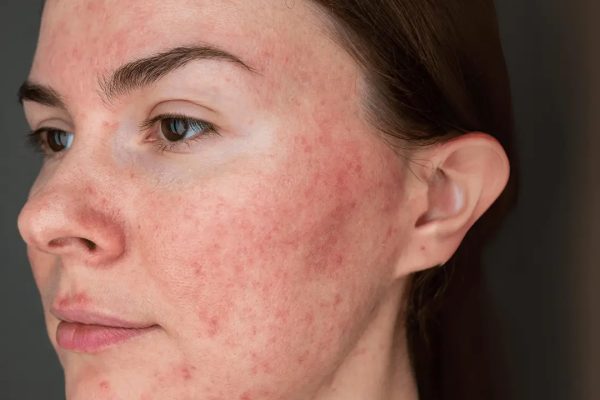
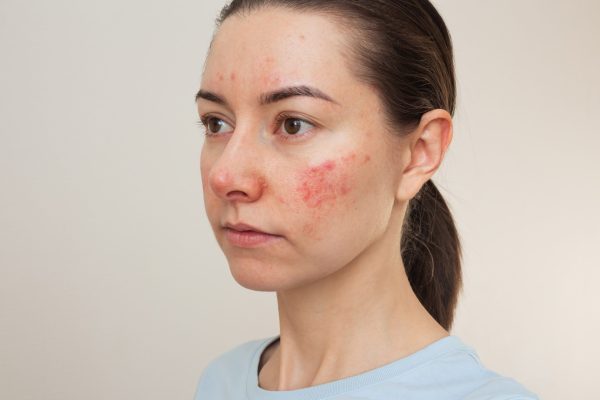
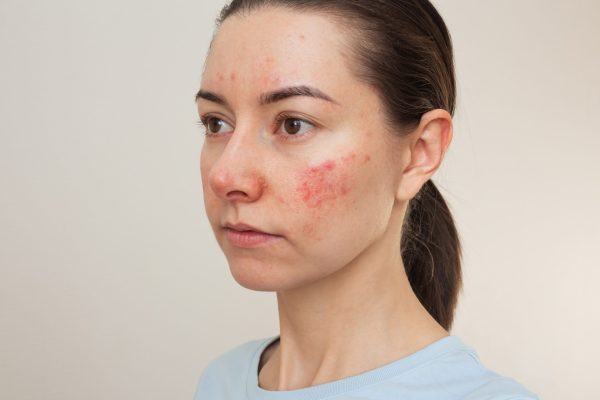
Does Rosacea Treatment describe facial patterns? is a common question among individuals trying to understand why redness, flushing, and visible blood vessels appear in specific areas of the face rather than evenly. In dermatology, rosacea is often evaluated not only ...Read more

Does Rosacea Treatment describe facial patterns? is a common question among individuals trying to understand why redness, flushing, and visible blood vessels appear in specific areas of the face rather than evenly. In dermatology, rosacea is often evaluated not only by its symptoms but also by how it distributes across facial regions, which helps guide accurate diagnosis and management. Dynamic Clinic in Dubai highlights this concern as part of its dermatology-focused awareness approach for patients seeking clarity on persistent facial redness.
Rosacea Treatment in Dubai is commonly explored by individuals who want to understand both symptom relief and underlying skin behavior patterns.


Understanding Rosacea and Facial Patterns

Rosacea is a chronic inflammatory skin condition that primarily affects the central face, including the cheeks, nose, forehead, and chin. Unlike temporary skin irritation, it follows recognizable distribution patterns that dermatologists use as diagnostic indicators.

These patterns are not random. They often reflect vascular sensitivity, immune response, and environmental triggers that repeatedly affect specific facial zones. Understanding these patterns helps distinguish rosacea from acne, eczema, or allergic reactions.

Key characteristics include:

  • Persistent redness in central facial areas
  • Visible small blood vessels (telangiectasia)
  • Flushing triggered by heat, stress, or diet
  • Occasional bumps resembling acne without blackheads

How Rosacea Affects Facial Distribution

Facial pattern distribution in rosacea is one of the most clinically significant aspects of the condition. It does not usually affect the entire face equally, which makes pattern recognition essential for diagnosis.

Commonly affected zones include:

  • Cheeks: Most frequently affected due to high vascular activity
  • Nose: Often shows persistent redness and visible capillaries
  • Forehead: Less intense but still commonly involved
  • Chin: May show inflammatory flare-ups in moderate cases

This uneven distribution is linked to differences in skin thickness, blood vessel density, and sensitivity to external triggers. In warmer climates such as Dubai, environmental heat and sun exposure may further intensify these patterns.


Can Rosacea Treatment Reveal or Describe Patterns?

Modern dermatological approaches to rosacea do more than reduce symptoms; they also help clarify how the condition behaves across the face. While treatment itself does not “create” patterns, it often reveals them more clearly by reducing overall inflammation and allowing underlying vascular patterns to become visible.

Rosacea management can help identify:

  • Areas with persistent vascular dilation
  • Zones that respond differently to triggers
  • Skin regions requiring targeted care
  • Long-term progression tendencies

By observing how the skin responds during treatment, dermatologists gain insight into the condition’s behavior, which supports more personalized care strategies.


Clinical Observation in Dermatology

In clinical practice, facial pattern recognition plays an important role in diagnosing rosacea accurately. Dermatologists rely on visual mapping of symptoms rather than laboratory tests alone.

Common observational methods include:

  • Reviewing symmetry of redness across the face
  • Identifying trigger-sensitive zones
  • Assessing vascular visibility under light examination
  • Tracking flare-up frequency in specific areas

EEAT-based dermatology practice emphasizes careful, evidence-driven evaluation rather than assumptions. This ensures that similar-looking conditions are not misdiagnosed and that treatment strategies are aligned with the patient’s actual skin response.


Common Triggers Affecting Pattern Distribution

Facial patterns in rosacea often become more noticeable when triggered by external or internal factors. These triggers can intensify inflammation in already sensitive areas.

Frequent triggers include:

  • Exposure to heat and sunlight
  • Spicy foods and hot beverages
  • Emotional stress or anxiety
  • Harsh skincare products
  • Sudden temperature changes

In a city like Dubai, where heat exposure is frequent, managing these triggers becomes especially important for maintaining balanced skin behavior.


Management Approaches for Pattern-Based Rosacea

Rosacea management focuses on reducing inflammation, strengthening skin barriers, and minimizing flare-ups in affected facial zones. A tailored approach is often more effective than generalized skincare routines.

Common approaches include:

  • Gentle, non-irritating skincare products
  • Sun protection to reduce vascular stimulation
  • Anti-inflammatory topical formulations
  • Laser-based therapies for visible blood vessels
  • Lifestyle adjustments to reduce trigger exposure

Each approach is selected based on how the condition presents across different facial areas, making pattern recognition a key part of long-term care planning.


FAQs

1. Does rosacea always follow a facial pattern?

Yes, rosacea typically affects central facial areas such as cheeks and nose, though severity varies from person to person.

2. Can rosacea appear differently on each side of the face?

In some cases, one side may show more redness due to environmental exposure or sleeping habits, but symmetry is still common.

3. Why do rosacea patterns become more visible during flare-ups?

Inflammation increases blood flow to specific areas, making underlying vascular patterns more noticeable.

4. Can skincare change rosacea facial patterns?

Skincare does not change the pattern itself but can reduce inflammation, making symptoms less visible.


Conclusion

Rosacea is not a random skin condition; it follows identifiable facial distribution patterns that help guide diagnosis and management. Understanding these patterns allows for more precise dermatological evaluation and more tailored care strategies, especially in environments like Dubai where external triggers are common.

Read less
  • 0 Answers
  • 5 Views
  • 0 Followers
Answer
dynamicclinic44
  • 0
dynamicclinic44Bronze
Asked: June 15, 2026In: Health

Is Rosacea Treatment relevant to skin health

  • 0
Is Rosacea Treatment relevant to skin health

Rosacea Treatment plays a significant role in supporting long-term skin health, especially for individuals experiencing persistent facial redness, sensitivity, or visible blood vessels. In modern dermatology, managing rosacea is not only about appearance but also about maintaining a balanced and ...Read more

Rosacea Treatment plays a significant role in supporting long-term skin health, especially for individuals experiencing persistent facial redness, sensitivity, or visible blood vessels. In modern dermatology, managing rosacea is not only about appearance but also about maintaining a balanced and resilient skin barrier.
Rosacea Treatment in Dubai is increasingly explored by individuals seeking structured care approaches, while clinics such as Dynamic Clinic in Dubai highlight the importance of early skin evaluation and guided dermatological support for better outcomes.

Understanding Rosacea and Skin Health

Rosacea is a chronic skin condition that primarily affects the central face, often presenting with redness, flushing, visible capillaries, and occasional bumps. Its connection with overall skin health is deeper than surface symptoms, as it reflects an underlying sensitivity of the skin’s immune and vascular systems.

Healthy skin relies on a stable barrier that protects against environmental stressors. In rosacea-prone skin, this barrier becomes more reactive, making it easier for triggers such as heat, spicy food, or pollution to cause inflammation. Over time, this repeated cycle of irritation can weaken skin resilience and increase discomfort.

Why Rosacea Impacts Skin Barrier Function

The skin barrier acts as the first line of defense, and in rosacea, this protective layer often becomes compromised. When the barrier is disrupted, moisture loss increases and irritants penetrate more easily.

Common effects of this imbalance include:

  • Increased redness and flushing episodes
  • Heightened sensitivity to skincare products
  • Dryness or uneven texture
  • Visible capillary dilation over time
  • Greater reactivity to environmental factors

These changes highlight why maintaining barrier health is essential in rosacea care, especially in climates like Dubai where heat and sun exposure can intensify symptoms.

Is Rosacea Treatment relevant to skin health

Is Rosacea Treatment relevant to skin health becomes an important question when considering long-term dermatological well-being. The answer lies in how effectively treatment addresses both symptoms and underlying triggers that affect skin function.

Targeted rosacea care supports skin health by:

  • Reducing chronic inflammation that weakens the skin barrier
  • Calming overactive blood vessels responsible for redness
  • Improving tolerance to skincare and environmental exposure
  • Supporting a more balanced microbiome on the skin surface
  • Minimizing flare-ups that can lead to long-term sensitivity

Rather than focusing only on visible redness, modern approaches aim to stabilize the skin environment. This helps restore comfort and reduces the likelihood of recurring irritation.

Key Benefits of Managing Rosacea for Skin Health

Proper management of rosacea contributes to overall skin improvement beyond cosmetic appearance. When the condition is controlled, the skin functions more efficiently and responds better to daily care.

Key benefits include:

  • More even and consistent skin tone
  • Reduced inflammatory reactions over time
  • Improved hydration retention within the skin layers
  • Enhanced compatibility with skincare routines
  • Lower risk of progressive sensitivity

These benefits demonstrate why rosacea care is often considered an essential part of dermatological maintenance rather than a purely aesthetic concern.

Common Approaches Used in Rosacea Care

Modern rosacea management focuses on combining medical guidance with gentle skincare habits. Treatment strategies are tailored based on severity and skin type, ensuring a balanced approach.

Common approaches include:

  • Dermatologist-guided topical formulations to reduce inflammation
  • Laser-based procedures targeting visible blood vessels
  • Anti-inflammatory skincare ingredients such as niacinamide
  • Sun protection to prevent flare-up triggers
  • Lifestyle adjustments to reduce known irritants

Each method works toward calming the skin while strengthening its natural defense mechanisms. Consistency plays a major role in maintaining visible improvement and long-term skin stability.

Lifestyle and Skincare Considerations in Dubai Climate

Dubai’s hot and often humid climate can influence rosacea symptoms, making environmental management an important part of skin health. Heat exposure, UV radiation, and indoor cooling systems can all contribute to skin sensitivity.

Helpful considerations include:

  • Daily use of broad-spectrum sunscreen
  • Avoiding excessive heat exposure during peak hours
  • Choosing fragrance-free and gentle skincare products
  • Maintaining consistent hydration levels
  • Minimizing abrupt temperature changes when possible

These adjustments support treatment outcomes and help maintain skin comfort in challenging weather conditions.

FAQs

What makes rosacea affect skin health in the long term?

Rosacea influences skin health by weakening the skin barrier and increasing inflammation, which can lead to ongoing sensitivity and visible redness if not managed properly.

Can rosacea be fully cured?

Rosacea is a chronic condition, but it can be effectively controlled with consistent care, reducing flare-ups and improving overall skin appearance.

Is skincare important during rosacea treatment?

Gentle skincare is essential as it helps protect the skin barrier and prevents unnecessary irritation that could trigger flare-ups.

Does climate affect rosacea severity?

Yes, heat, humidity, and sun exposure can worsen symptoms, making environmental management an important part of care.

Conclusion

Rosacea Treatment remains closely connected to maintaining healthy, balanced skin function, particularly for individuals dealing with persistent facial redness and sensitivity. By addressing both visible symptoms and underlying skin reactivity, structured care helps support long-term skin stability and comfort.

Read less
  • 0 Answers
  • 3 Views
  • 0 Followers
Answer
dynamicclinic44
  • 0
dynamicclinic44Bronze
Asked: June 15, 2026In: Health

Is Rosacea Treatment relevant to skin health

  • 0
Is Rosacea Treatment relevant to skin health

Rosacea Treatment plays a significant role in supporting long-term skin health, especially for individuals experiencing persistent facial redness, sensitivity, or visible blood vessels. In modern dermatology, managing rosacea is not only about appearance but also about maintaining a balanced and ...Read more

Rosacea Treatment plays a significant role in supporting long-term skin health, especially for individuals experiencing persistent facial redness, sensitivity, or visible blood vessels. In modern dermatology, managing rosacea is not only about appearance but also about maintaining a balanced and resilient skin barrier.
Rosacea Treatment in Dubai is increasingly explored by individuals seeking structured care approaches, while clinics such as Dynamic Clinic in Dubai highlight the importance of early skin evaluation and guided dermatological support for better outcomes.

Understanding Rosacea and Skin Health

Rosacea is a chronic skin condition that primarily affects the central face, often presenting with redness, flushing, visible capillaries, and occasional bumps. Its connection with overall skin health is deeper than surface symptoms, as it reflects an underlying sensitivity of the skin’s immune and vascular systems.

Healthy skin relies on a stable barrier that protects against environmental stressors. In rosacea-prone skin, this barrier becomes more reactive, making it easier for triggers such as heat, spicy food, or pollution to cause inflammation. Over time, this repeated cycle of irritation can weaken skin resilience and increase discomfort.

Why Rosacea Impacts Skin Barrier Function

The skin barrier acts as the first line of defense, and in rosacea, this protective layer often becomes compromised. When the barrier is disrupted, moisture loss increases and irritants penetrate more easily.

Common effects of this imbalance include:

  • Increased redness and flushing episodes
  • Heightened sensitivity to skincare products
  • Dryness or uneven texture
  • Visible capillary dilation over time
  • Greater reactivity to environmental factors

These changes highlight why maintaining barrier health is essential in rosacea care, especially in climates like Dubai where heat and sun exposure can intensify symptoms.

Is Rosacea Treatment relevant to skin health

Is Rosacea Treatment relevant to skin health becomes an important question when considering long-term dermatological well-being. The answer lies in how effectively treatment addresses both symptoms and underlying triggers that affect skin function.

Targeted rosacea care supports skin health by:

  • Reducing chronic inflammation that weakens the skin barrier
  • Calming overactive blood vessels responsible for redness
  • Improving tolerance to skincare and environmental exposure
  • Supporting a more balanced microbiome on the skin surface
  • Minimizing flare-ups that can lead to long-term sensitivity

Rather than focusing only on visible redness, modern approaches aim to stabilize the skin environment. This helps restore comfort and reduces the likelihood of recurring irritation.

Key Benefits of Managing Rosacea for Skin Health

Proper management of rosacea contributes to overall skin improvement beyond cosmetic appearance. When the condition is controlled, the skin functions more efficiently and responds better to daily care.

Key benefits include:

  • More even and consistent skin tone
  • Reduced inflammatory reactions over time
  • Improved hydration retention within the skin layers
  • Enhanced compatibility with skincare routines
  • Lower risk of progressive sensitivity

These benefits demonstrate why rosacea care is often considered an essential part of dermatological maintenance rather than a purely aesthetic concern.

Common Approaches Used in Rosacea Care

Modern rosacea management focuses on combining medical guidance with gentle skincare habits. Treatment strategies are tailored based on severity and skin type, ensuring a balanced approach.

Common approaches include:

  • Dermatologist-guided topical formulations to reduce inflammation
  • Laser-based procedures targeting visible blood vessels
  • Anti-inflammatory skincare ingredients such as niacinamide
  • Sun protection to prevent flare-up triggers
  • Lifestyle adjustments to reduce known irritants

Each method works toward calming the skin while strengthening its natural defense mechanisms. Consistency plays a major role in maintaining visible improvement and long-term skin stability.

Lifestyle and Skincare Considerations in Dubai Climate

Dubai’s hot and often humid climate can influence rosacea symptoms, making environmental management an important part of skin health. Heat exposure, UV radiation, and indoor cooling systems can all contribute to skin sensitivity.

Helpful considerations include:

  • Daily use of broad-spectrum sunscreen
  • Avoiding excessive heat exposure during peak hours
  • Choosing fragrance-free and gentle skincare products
  • Maintaining consistent hydration levels
  • Minimizing abrupt temperature changes when possible

These adjustments support treatment outcomes and help maintain skin comfort in challenging weather conditions.

FAQs

What makes rosacea affect skin health in the long term?

Rosacea influences skin health by weakening the skin barrier and increasing inflammation, which can lead to ongoing sensitivity and visible redness if not managed properly.

Can rosacea be fully cured?

Rosacea is a chronic condition, but it can be effectively controlled with consistent care, reducing flare-ups and improving overall skin appearance.

Is skincare important during rosacea treatment?

Gentle skincare is essential as it helps protect the skin barrier and prevents unnecessary irritation that could trigger flare-ups.

Does climate affect rosacea severity?

Yes, heat, humidity, and sun exposure can worsen symptoms, making environmental management an important part of care.

Conclusion

Rosacea Treatment remains closely connected to maintaining healthy, balanced skin function, particularly for individuals dealing with persistent facial redness and sensitivity. By addressing both visible symptoms and underlying skin reactivity, structured care helps support long-term skin stability and comfort.

Read less
  • 0 Answers
  • 1 View
  • 0 Followers
Answer
royalclinic
  • 0
royalclinicIron
Asked: June 13, 2026In: Health

Does Breast Augmentation Help Create a More Defined Figure?

  • 0
Does Breast Augmentation Help Create a More Defined Figure?

Body shape perception is shaped by far more than a single feature; it is the result of proportion, symmetry, posture, and how different contours interact with one another visually. In aesthetic discussions, people often wonder whether enhancing one area can ...Read more

Body shape perception is shaped by far more than a single feature; it is the result of proportion, symmetry, posture, and how different contours interact with one another visually. In aesthetic discussions, people often wonder whether enhancing one area can genuinely refine the entire silhouette or if it simply draws attention to a specific region. The idea of balance plays a central role here, especially when considering how upper and lower body proportions communicate harmony. When viewed from a design perspective, the human figure is often assessed based on curves, lines, and transitions between zones. This is where Breast Augmentation in Dubai becomes part of a broader conversation about reshaping visual proportion rather than isolating a single enhancement.

The Relationship Between Body Proportion and Visual Harmony

Body proportion is one of the strongest determinants of how defined a figure appears. When the upper body aligns proportionally with the waist and hips, the entire silhouette tends to appear more structured and visually appealing. Even subtle adjustments in volume can shift how the eye interprets balance. A more proportionate upper frame can create the impression of a narrower waist, even without any direct changes to the midsection itself. This is because human perception naturally compares adjacent areas to understand shape.

Visual harmony does not rely on size alone but on how different elements complement each other. When the upper body has a balanced presence, it can enhance the perception of curves below, creating a smoother and more continuous flow. This interplay of proportions is why body contour discussions often emphasize overall symmetry instead of focusing on a single region.

How Volume Influences the Perception of Curves

Curves are not just physical traits; they are also optical impressions shaped by contrast and alignment. When volume is adjusted in one area, it can change how surrounding areas are perceived. For example, enhancing upper body fullness can make the waist appear more tapered, even if its actual dimensions remain unchanged. This visual effect is rooted in contrast dynamics, where differences between adjacent regions create the illusion of definition.

The human eye is drawn to transitions, especially where curves shift direction. A more pronounced upper contour can guide visual attention downward, emphasizing the natural indentation of the waist and the outward curve of the hips. This creates a more hourglass-like appearance, which is often associated with a defined figure. However, the outcome always depends on individual anatomy, posture, and existing proportions.

The Role of Curves in Fashion and Body Aesthetics

Fashion is deeply influenced by silhouette, and clothing often interacts with body structure to enhance or soften curves. A well-defined figure is not only about physical proportions but also about how garments drape and contour around the body. Structured outfits, fitted designs, and layered styles all respond differently depending on underlying shape.

Curves help create definition within clothing by adding depth and dimension. Without natural curvature, outfits may appear straighter, while balanced curves can introduce flow and shape variation. This is why styling principles often focus on creating equilibrium between upper and lower body proportions. When the silhouette is balanced, clothing naturally appears more refined and intentional, highlighting the wearer’s overall presence rather than individual features.

Natural-Looking Enhancement and Personal Identity

Modern aesthetic preferences increasingly favor subtlety and proportion over exaggerated changes. The goal is often to enhance natural structure rather than alter identity. A defined figure does not necessarily mean dramatic transformation; instead, it refers to refinement of existing lines and contours in a way that preserves individuality.

Personal aesthetics vary widely, and what feels balanced for one person may differ for another. Some individuals prioritize softness and gentle curves, while others prefer sharper definition and structure. The key lies in aligning physical appearance with personal perception of self-image. When proportions feel aligned with internal expectations, confidence naturally follows, influencing both posture and movement.

Enhancement choices are often guided by the desire to achieve coherence between how the body looks and how it feels. This harmony between perception and identity is what ultimately defines aesthetic satisfaction.

Confidence, Posture, and Overall Presence

A defined figure is not solely a product of physical structure; it is also shaped by how a person carries themselves. Posture plays a significant role in how proportions are perceived. Upright alignment, open shoulders, and balanced stance can all enhance the appearance of curves and symmetry.

Confidence further amplifies physical presence. When individuals feel comfortable with their appearance, their body language becomes more relaxed and expressive. This shift influences how others perceive them, often creating a stronger impression of definition and elegance. Even subtle improvements in posture can alter silhouette perception by elongating the torso and emphasizing natural contours.

The connection between physical form and psychological comfort is deeply intertwined. A well-balanced figure can encourage more confident movement, while confidence itself enhances the perception of body definition in social and visual contexts.

Book Us – Service Page

A refined silhouette is often the result of carefully considered aesthetic choices that prioritize harmony, proportion, and individuality. Many individuals explore enhancements when they feel their natural structure could benefit from improved balance or contour definition. The goal is not transformation for its own sake but the creation of a more cohesive visual identity that feels authentic and aligned with personal preference. In this context, Breast Augmentation is viewed as one of the options that may contribute to enhancing proportional balance within the overall figure, depending on individual anatomy and aesthetic goals.

For those seeking tailored aesthetic solutions and a more defined body profile, Enfield Royal Clinic Dubai offers a refined approach focused on balance, natural-looking results, and personalized care pathways designed to support individual beauty goals.

Read less
  • 0 Answers
  • 6 Views
  • 0 Followers
Answer
royalclinic
  • 0
royalclinicIron
Asked: June 12, 2026In: Health

Can You Get Six Pack Abs Without Losing Weight?

  • 0
Can You Get Six Pack Abs Without Losing Weight?

Achieving a visibly defined midsection is often associated with aggressive dieting and rapid weight loss, but the reality is far more nuanced. Many people assume that visible abdominal definition only comes from dropping scale weight, yet body composition plays a ...Read more

Achieving a visibly defined midsection is often associated with aggressive dieting and rapid weight loss, but the reality is far more nuanced. Many people assume that visible abdominal definition only comes from dropping scale weight, yet body composition plays a much more important role than overall body weight. Someone can improve abdominal visibility while maintaining the same weight or even gaining slightly, depending on how muscle and fat are redistributed in the body. This is where the concept of Six Pack Abs in Dubai becomes less about weight loss and more about strategic recomposition of fat and muscle, making the abdomen appear more defined without necessarily reducing total body weight.

Understanding What Six Pack Abs Really Mean

Six-pack definition is not a separate muscle group or an exclusive genetic trait reserved for a few individuals. It is simply the visible form of the rectus abdominis muscle, which is already present in everyone. The reason some people can see it clearly while others cannot comes down to subcutaneous fat covering the area and the level of muscle development underneath. When body fat is low enough and abdominal muscles are sufficiently trained, the natural segmentation of the muscles becomes visible. This means visibility is influenced by two key variables: muscle thickness and fat distribution, both of which can be modified through training and lifestyle adjustments.

Can You Really Get Six Pack Abs Without Losing Weight?

The short answer is yes, but it depends on how weight is interpreted. The scale measures total body mass, not composition. You can maintain the same weight while losing fat and gaining muscle simultaneously, a process known as body recomposition. In such a scenario, the fat layer over the abdomen decreases while the muscle underneath becomes more pronounced. As a result, abdominal definition improves even though the total weight remains stable.

This phenomenon is more common in beginners, individuals returning to training after a break, or those who shift from poor dietary habits to structured nutrition and exercise. The body responds by burning stored fat for energy while building lean tissue, creating a visible transformation without drastic changes on the scale.

The Role of Body Recomposition in Abdominal Definition

Body recomposition is the key mechanism behind achieving visible abs without significant weight loss. It relies on balancing caloric intake, resistance training, and recovery. When the body is exposed to consistent strength training, it prioritizes muscle preservation and growth. At the same time, a controlled nutritional environment encourages the body to use fat stores as fuel.

This process is slower than traditional weight loss methods but produces more sustainable and aesthetically balanced results. Instead of becoming simply lighter, the body becomes denser, firmer, and more defined. The abdominal region responds particularly well to this process because it is highly sensitive to changes in both muscle tone and fat reduction.

Nutrition and Its Impact on Abdominal Visibility

Diet plays a critical role in determining whether abs become visible. However, it is not only about eating less; it is about eating correctly. Protein intake supports muscle repair and growth, while balanced carbohydrates provide energy for workouts. Healthy fats regulate hormones that influence fat storage and metabolism.

When nutrition is aligned with training, the body becomes more efficient at using energy. Instead of storing excess calories as fat, it channels them into muscle recovery and performance. This creates a gradual shift in body composition where abdominal muscles become more prominent without requiring extreme calorie deficits or rapid weight reduction.

Hydration and micronutrient balance also play subtle but important roles. Proper hydration supports metabolic function, while vitamins and minerals help regulate energy conversion and muscle function. Together, these factors contribute to a leaner, more defined midsection over time.

Training Strategies That Build Abs Without Weight Loss

Training for visible abs is not limited to endless crunches or isolation exercises. While abdominal exercises strengthen the core, overall resistance training has a much greater impact on body composition. Compound movements such as squats, deadlifts, and presses engage multiple muscle groups, increasing overall muscle mass and metabolic demand.

When muscle mass increases, the body naturally burns more energy even at rest. This helps reduce fat percentage gradually without requiring drastic dietary restrictions. Core-specific training then enhances muscle thickness and endurance, making the abdominal region more prominent as fat levels slowly decrease or remain stable.

Progressive overload is essential in this process. By consistently challenging the muscles with increasing resistance or intensity, the body adapts by growing stronger and more defined. Over time, this contributes to a firmer midsection that appears more sculpted even if overall body weight does not change significantly.

Genetics and Fat Distribution Patterns

Genetics also influence how and where fat is stored in the body. Some individuals naturally carry more fat around the abdomen, while others store it in the hips, thighs, or upper body. This distribution affects how quickly abdominal definition becomes visible.

Even with identical training and nutrition plans, results may vary from person to person due to genetic factors. However, this does not prevent progress; it simply determines the timeline and the approach required. Consistency remains the most important factor, as long-term adherence to healthy habits can significantly reshape body composition over time.

Practical Approach to Building Visible Abs

A balanced approach is the most effective way to improve abdominal definition without focusing solely on weight loss. This includes structured strength training, consistent physical activity, and mindful nutrition. Recovery also plays a crucial role, as muscles grow and repair during rest periods rather than during workouts.

Sustainable progress comes from consistency rather than short-term extremes. The body responds best to steady habits that can be maintained over time. As muscle mass increases and fat levels stabilize or slightly decrease, abdominal visibility improves naturally without requiring drastic changes on the scale.

A realistic mindset is essential throughout this process. Visible abs are not just a fitness milestone but a reflection of overall body composition health, discipline, and long-term lifestyle balance.

Book Us

Achieving a well-defined midsection requires a strategic understanding of body composition, training consistency, and nutritional balance. If you are looking to refine your physique and work toward visible Six Pack Abs with a structured and guided approach, professional support can help streamline the process and eliminate guesswork. At Enfield Royal Clinic Dubai, personalized body transformation strategies are designed to align with individual goals, ensuring a focused and result-oriented path toward improved aesthetics and confidence without unnecessary extremes.

Read less
  • 0 Answers
  • 14 Views
  • 0 Followers
Answer
prosperityrehab
  • 0
prosperityrehab
Asked: June 11, 2026In: Health

What Types of Low-Impact Workouts Are Best for Arthritis?

  • 0
What Types of Low-Impact Workouts Are Best for Arthritis?

Living with arthritis can make physical activity feel challenging, especially when joint pain and stiffness affect everyday movement. However, staying active remains one of the most effective ways to support joint health, maintain mobility, and improve overall well-being. ...Read more

Living with arthritis can make physical activity feel challenging, especially when joint pain and stiffness affect everyday movement. However, staying active remains one of the most effective ways to support joint health, maintain mobility, and improve overall well-being. The key is choosing workouts that place minimal stress on the joints while still providing important physical benefits.

Low-impact exercise helps strengthen muscles, improve flexibility, and support healthy joint function without causing unnecessary strain. Whether you have osteoarthritis, rheumatoid arthritis, or another form of arthritis, the right workout routine can help you stay active and feel more comfortable throughout the day.

Why Exercise Matters for Arthritis

Many people assume that exercise may worsen arthritis symptoms, but the opposite is often true. Regular physical activity helps keep joints flexible and strengthens the muscles that support them.

Exercise can help:

  • Reduce joint stiffness
  • Improve range of motion
  • Increase muscle strength
  • Support balance and stability
  • Improve energy levels
  • Maintain a healthy weight
  • Reduce physical limitations

When combined with proper medical care, arthritis support and exercise can play an important role in managing symptoms and maintaining independence.

What Makes a Workout Low Impact?

Low-impact exercises minimize the force placed on joints such as the knees, hips, ankles, and spine. Unlike high-impact activities that involve repeated jumping or hard landings, low-impact workouts keep at least one foot in contact with the ground or provide support through water or equipment.

These workouts allow people with arthritis to stay active while reducing discomfort and lowering the risk of injury.

Walking: A Simple and Effective Choice

Walking remains one of the easiest and most accessible low-impact workouts for arthritis.

Benefits of Walking

Walking helps:

  • Improve circulation
  • Support joint mobility
  • Strengthen leg muscles
  • Improve endurance
  • Promote overall health

A short daily walk can make a significant difference over time. Start with a comfortable pace and gradually increase your duration as your body adapts.

Tips for Safe Walking

  • Wear supportive footwear
  • Choose flat, even surfaces
  • Begin with a short warm-up
  • Stay hydrated
  • Stop if you experience unusual pain

Consistency often matters more than distance or speed.

Swimming and Water Aerobics

Water-based exercise provides excellent support for people with arthritis. The buoyancy of water reduces pressure on the joints while allowing muscles to work effectively.

Why Water Workouts Help

Swimming and water aerobics can:

  • Reduce joint stress
  • Improve flexibility
  • Build muscle strength
  • Increase cardiovascular fitness
  • Support full-body movement

The water creates natural resistance, helping strengthen muscles without placing excess force on painful joints.

Cycling for Joint-Friendly Movement

Cycling offers another effective low-impact workout option. Whether using a stationary bike or riding outdoors, cycling allows smooth, controlled movement that supports joint mobility.

Benefits of Cycling

Regular cycling can:

  • Strengthen lower-body muscles
  • Improve endurance
  • Support knee mobility
  • Increase circulation
  • Help with weight management

Many people with arthritis find cycling easier on the joints than activities involving running or jumping.

Yoga for Flexibility and Balance

Yoga combines gentle movement, stretching, and controlled breathing. This combination can help people with arthritis improve flexibility and maintain mobility.

Advantages of Yoga

Yoga may help:

  • Improve posture
  • Increase flexibility
  • Reduce muscle tension
  • Improve balance
  • Support relaxation

Many instructors offer modified poses designed specifically for individuals with joint concerns.

Start Slowly

Choose beginner-level classes and communicate any limitations to your instructor. Using supportive props such as blocks or straps can make movements more comfortable.

Strength Training Without Joint Stress

Strength training helps build the muscles that support and protect your joints. Stronger muscles reduce the workload placed directly on painful joints.

Safe Strength Training Options

People with arthritis may benefit from:

  • Resistance bands
  • Light dumbbells
  • Bodyweight exercises
  • Resistance machines

Focus on controlled movements and proper form rather than heavy weights.

Why Strength Matters

Building muscle can improve joint stability and make everyday activities easier, from climbing stairs to carrying groceries.

Tai Chi for Gentle Movement

Tai Chi involves slow, flowing movements combined with controlled breathing. This form of exercise places very little stress on the joints while improving overall body awareness.

Benefits of Tai Chi

Tai Chi can help:

  • Improve balance
  • Increase flexibility
  • Support coordination
  • Reduce stiffness
  • Promote relaxation

Many people with arthritis appreciate its gentle pace and low physical demands.

Group Exercise Programs

Some people stay motivated when they exercise with others. Structured group workouts provide social interaction and professional guidance.

Many community centers and wellness facilities offer low impact fitness classes designed for individuals with mobility limitations or joint conditions.

These classes often include:

  • Chair exercises
  • Gentle aerobics
  • Stretching sessions
  • Water fitness programs
  • Balance training

A trained instructor can help ensure movements remain safe and effective.

Stretching and Mobility Exercises

Maintaining flexibility is essential for joint health. Stretching keeps muscles and connective tissues flexible, which can improve movement and reduce stiffness.

Areas to Focus On

Gentle stretches may target:

  • Neck
  • Shoulders
  • Back
  • Hips
  • Knees
  • Ankles

Stretching works best when performed consistently. Slow, controlled movements often provide the greatest benefit.

Listen to Your Body

People with arthritis should pay attention to how their bodies respond to exercise. Mild muscle soreness after activity can be normal, but sharp or lasting pain may indicate that adjustments are needed.

Signs to Modify Activity

You may need to reduce intensity if you experience:

  • Increased swelling
  • Severe discomfort
  • Joint instability
  • Prolonged pain after exercise

Working with a healthcare provider or physical therapist can help create a safe and effective plan.

The Importance of Recovery

Exercise is only one part of an effective arthritis management routine. Recovery allows joints and muscles to adapt while reducing excessive strain.

Including recovery exercises to help you feel better can improve flexibility, ease muscle tightness, and support long-term comfort. Gentle stretching, mobility work, and relaxation techniques can help your body recover between workouts while keeping you active.

Creating a Long-Term Exercise Routine

The best workout plan is one you can maintain consistently. Start with realistic goals and gradually build your activity level over time.

Remember these key principles:

  • Stay consistent
  • Choose activities you enjoy
  • Progress gradually
  • Prioritize proper technique
  • Allow time for recovery

Even small amounts of movement performed regularly can provide meaningful benefits for joint health and daily function.

Final Thoughts

Low-impact workouts offer a safe and effective way for people with arthritis to stay active while protecting their joints. Walking, swimming, cycling, yoga, Tai Chi, strength training, and stretching all provide valuable benefits that support mobility, flexibility, and overall health. By choosing activities that fit your needs and maintaining a consistent routine, you can improve your quality of life and reduce the limitations arthritis may create. For personalized guidance and professional support, Prosperity Rehab can help you build a movement plan that supports your goals and long-term well-being.

Read less
  • 0 Answers
  • 4 Views
  • 0 Followers
Answer
royalclinic
  • 0
royalclinicIron
Asked: June 11, 2026In: Health

Blepharoplasty for Cosmetic Enhancement and Functionality

  • 0
Blepharoplasty for Cosmetic Enhancement and Functionality

Read more

Vivek Tiwari-sm/main:[--thread-content-margin:var(--thread-content-margin-sm,calc(var(--spacing)*6))] Vivek Tiwari-lg/main:[--thread-content-margin:var(--thread-content-margin-lg,calc(var(--spacing)*16))] px-(--thread-content-margin)">
Vivek Tiwari-lg/main:[--thread-content-max-width:48rem] mx-auto max-w-(--thread-content-max-width) flex-1 group/turn-messages focus-visible:outline-hidden relative flex w-full min-w-0 flex-col agent-turn" data-conversation-screenshot-content="">

The eyes are one of the most expressive and defining features of the face, yet they are also among the first areas to show visible signs of aging. Drooping eyelids, puffiness, and under-eye bags can create a tired or aged appearance even when a person feels energetic and refreshed. These changes are not only aesthetic concerns but can also affect daily comfort and visual clarity. In modern aesthetic refinement, Blepharoplasty in Dubai has emerged as a highly effective approach that addresses both cosmetic enhancement and functional improvement of the eyelids, restoring a more youthful and balanced appearance while also supporting better visual performance.

Understanding the Aging Process Around the Eyes

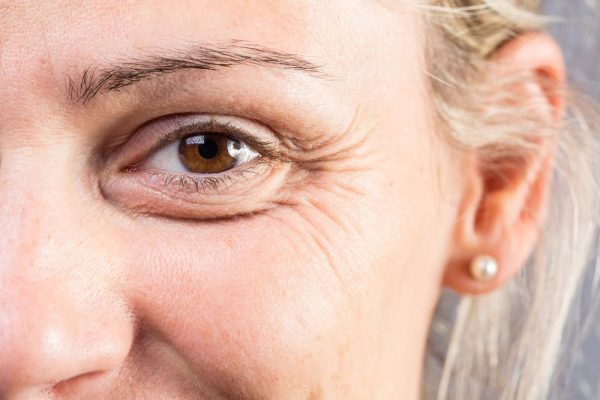
The skin around the eyes is naturally thinner and more delicate compared to other areas of the face, making it more vulnerable to early signs of aging. Over time, collagen production decreases, leading to reduced elasticity and firmness. Fat deposits may shift or accumulate, resulting in puffiness or under-eye bags. In some cases, the upper eyelids may begin to sag, creating a hooded appearance that can weigh down the overall facial expression.

Environmental factors such as sun exposure, lifestyle habits, stress, and genetics further accelerate these changes. As the skin loses its structural support, the eyelid area may appear heavy or uneven. These changes are gradual but often become more noticeable with age, influencing both appearance and eye function.

Cosmetic Enhancement Through Eyelid Refinement

One of the primary motivations individuals explore eyelid refinement is the desire for a more refreshed and youthful appearance. Drooping upper eyelids can create a constant tired or sad expression, even when the individual is well-rested. Similarly, puffiness under the eyes can contribute to a fatigued look that does not reflect a person’s true energy or personality.

By addressing excess skin and repositioning underlying tissue, eyelid refinement helps restore smoother contours around the eyes. The result is a more open, alert, and harmonious facial appearance. This transformation is subtle yet impactful, enhancing natural beauty without altering facial identity.

Cosmetic enhancement in this area is particularly valued because even small improvements around the eyes can significantly influence overall facial aesthetics. The eyes become brighter, more defined, and better aligned with the rest of the facial features, contributing to improved self-confidence and visual appeal.

Functional Benefits Beyond Appearance

While aesthetic improvement is often the most visible outcome, eyelid refinement also plays an important functional role. In cases where excess upper eyelid skin becomes heavy, it can begin to interfere with the upper field of vision. This may cause difficulty in activities such as reading, driving, or focusing on objects at a distance.

By removing or repositioning the excess tissue, the natural field of vision can be restored, allowing for clearer and more comfortable sight. This functional improvement is especially important for individuals who experience strain or fatigue due to constant effort required to keep the eyes fully open.

The balance between appearance and functionality makes this procedure unique, as it simultaneously enhances visual clarity and facial aesthetics.

Who Typically Considers Eyelid Refinement

Individuals who explore eyelid enhancement often share common concerns related to aging or genetic predisposition. Some notice early drooping in their thirties or forties, while others experience changes later in life. In some cases, younger individuals may also seek treatment due to hereditary under-eye puffiness or naturally heavy eyelids.

Common indicators include persistent tired-looking eyes, difficulty applying eye makeup due to excess skin folds, or a feeling of heaviness around the upper eyelid area. Functional concerns such as reduced peripheral vision can also play a significant role in the decision-making process.

The procedure is generally considered by individuals who want a long-term solution to eyelid changes that cannot be effectively addressed through topical products or non-surgical approaches alone.

The Process of Eyelid Refinement Explained

Eyelid refinement typically involves precise adjustments to the skin, fat, and muscle layers around the eyes. The approach is tailored to each individual’s anatomy, ensuring that the natural expression of the eyes is preserved while enhancing overall symmetry and smoothness.

For the upper eyelids, excess skin is carefully addressed to reduce drooping and improve openness. For the lower eyelids, attention is given to reducing puffiness and smoothing the transition between the lower lid and cheek area. In both cases, the goal is to achieve a balanced and natural-looking outcome rather than an exaggerated change.

The procedure is performed with careful attention to detail, ensuring that the delicate structures of the eye region are respected. This precision contributes to refined results that blend seamlessly with the surrounding facial features.

Recovery and Gradual Transformation

Following eyelid refinement, the healing process unfolds gradually. Mild swelling and temporary tightness around the eyes are common in the initial phase, but these effects naturally diminish as the tissues adjust. Over time, the eyes begin to appear more open, rested, and defined.

Most individuals notice visible improvement within a short period, but the final outcome becomes more refined as healing progresses. During this phase, it is important to allow the tissues to settle naturally without external strain.

The transformation is not abrupt but progressive, ensuring that the final appearance remains natural and harmonious. This gradual improvement is one of the reasons the procedure is widely appreciated for its subtle yet impactful results.

Emotional and Psychological Impact

The appearance of the eyes has a strong influence on self-perception and social interaction. When individuals feel that their eyes look tired or aged, it can affect confidence and how they present themselves in professional and personal environments.

Eyelid refinement often leads to a noticeable improvement in self-image. Individuals frequently report feeling more refreshed, approachable, and confident after addressing concerns related to drooping or puffiness. This psychological uplift is closely tied to the visual rejuvenation achieved through the procedure.

By aligning outward appearance with inner energy, the results contribute to a more cohesive sense of self-expression.

Achieving Natural-Looking Results

One of the most important aspects of eyelid refinement is maintaining natural facial expression. The goal is not to change how a person looks, but to restore what may have been altered over time due to aging or genetics.

Careful attention to symmetry, proportion, and eyelid movement ensures that the results remain subtle and authentic. When performed with precision, the eyes retain their individuality while appearing more youthful and refreshed.

This balance between enhancement and natural preservation is what makes eyelid refinement a preferred choice for those seeking understated yet meaningful facial improvement.

Book Us

For individuals seeking a refined and personalized approach to eyelid rejuvenation, expert care and attention to detail play a crucial role in achieving desirable outcomes. At Enfield Royal Clinic Dubai, advanced aesthetic solutions are tailored to restore both function and appearance with a focus on natural harmony. When considering Blepharoplasty, the emphasis is placed on precision, balance, and individualized planning to ensure results that enhance facial expression while maintaining authenticity, making it a trusted choice for those looking to refresh their eye appearance with confidence and clarity.

Read less
  • 0 Answers
  • 6 Views
  • 0 Followers
Answer
royalclinic
  • 0
royalclinicIron
Asked: June 11, 2026In: Health

Blepharoplasty for Cosmetic Enhancement and Functionality

  • 0
Blepharoplasty for Cosmetic Enhancement and Functionality

Read more

Vivek Tiwari-sm/main:[--thread-content-margin:var(--thread-content-margin-sm,calc(var(--spacing)*6))] Vivek Tiwari-lg/main:[--thread-content-margin:var(--thread-content-margin-lg,calc(var(--spacing)*16))] px-(--thread-content-margin)">
Vivek Tiwari-lg/main:[--thread-content-max-width:48rem] mx-auto max-w-(--thread-content-max-width) flex-1 group/turn-messages focus-visible:outline-hidden relative flex w-full min-w-0 flex-col agent-turn" data-conversation-screenshot-content="">

The eyes are one of the most expressive and defining features of the face, yet they are also among the first areas to show visible signs of aging. Drooping eyelids, puffiness, and under-eye bags can create a tired or aged appearance even when a person feels energetic and refreshed. These changes are not only aesthetic concerns but can also affect daily comfort and visual clarity. In modern aesthetic refinement, Blepharoplasty in Dubai has emerged as a highly effective approach that addresses both cosmetic enhancement and functional improvement of the eyelids, restoring a more youthful and balanced appearance while also supporting better visual performance.

Understanding the Aging Process Around the Eyes

The skin around the eyes is naturally thinner and more delicate compared to other areas of the face, making it more vulnerable to early signs of aging. Over time, collagen production decreases, leading to reduced elasticity and firmness. Fat deposits may shift or accumulate, resulting in puffiness or under-eye bags. In some cases, the upper eyelids may begin to sag, creating a hooded appearance that can weigh down the overall facial expression.

Environmental factors such as sun exposure, lifestyle habits, stress, and genetics further accelerate these changes. As the skin loses its structural support, the eyelid area may appear heavy or uneven. These changes are gradual but often become more noticeable with age, influencing both appearance and eye function.

Cosmetic Enhancement Through Eyelid Refinement

One of the primary motivations individuals explore eyelid refinement is the desire for a more refreshed and youthful appearance. Drooping upper eyelids can create a constant tired or sad expression, even when the individual is well-rested. Similarly, puffiness under the eyes can contribute to a fatigued look that does not reflect a person’s true energy or personality.

By addressing excess skin and repositioning underlying tissue, eyelid refinement helps restore smoother contours around the eyes. The result is a more open, alert, and harmonious facial appearance. This transformation is subtle yet impactful, enhancing natural beauty without altering facial identity.

Cosmetic enhancement in this area is particularly valued because even small improvements around the eyes can significantly influence overall facial aesthetics. The eyes become brighter, more defined, and better aligned with the rest of the facial features, contributing to improved self-confidence and visual appeal.

Functional Benefits Beyond Appearance

While aesthetic improvement is often the most visible outcome, eyelid refinement also plays an important functional role. In cases where excess upper eyelid skin becomes heavy, it can begin to interfere with the upper field of vision. This may cause difficulty in activities such as reading, driving, or focusing on objects at a distance.

By removing or repositioning the excess tissue, the natural field of vision can be restored, allowing for clearer and more comfortable sight. This functional improvement is especially important for individuals who experience strain or fatigue due to constant effort required to keep the eyes fully open.

The balance between appearance and functionality makes this procedure unique, as it simultaneously enhances visual clarity and facial aesthetics.

Who Typically Considers Eyelid Refinement

Individuals who explore eyelid enhancement often share common concerns related to aging or genetic predisposition. Some notice early drooping in their thirties or forties, while others experience changes later in life. In some cases, younger individuals may also seek treatment due to hereditary under-eye puffiness or naturally heavy eyelids.

Common indicators include persistent tired-looking eyes, difficulty applying eye makeup due to excess skin folds, or a feeling of heaviness around the upper eyelid area. Functional concerns such as reduced peripheral vision can also play a significant role in the decision-making process.

The procedure is generally considered by individuals who want a long-term solution to eyelid changes that cannot be effectively addressed through topical products or non-surgical approaches alone.

The Process of Eyelid Refinement Explained

Eyelid refinement typically involves precise adjustments to the skin, fat, and muscle layers around the eyes. The approach is tailored to each individual’s anatomy, ensuring that the natural expression of the eyes is preserved while enhancing overall symmetry and smoothness.

For the upper eyelids, excess skin is carefully addressed to reduce drooping and improve openness. For the lower eyelids, attention is given to reducing puffiness and smoothing the transition between the lower lid and cheek area. In both cases, the goal is to achieve a balanced and natural-looking outcome rather than an exaggerated change.

The procedure is performed with careful attention to detail, ensuring that the delicate structures of the eye region are respected. This precision contributes to refined results that blend seamlessly with the surrounding facial features.

Recovery and Gradual Transformation

Following eyelid refinement, the healing process unfolds gradually. Mild swelling and temporary tightness around the eyes are common in the initial phase, but these effects naturally diminish as the tissues adjust. Over time, the eyes begin to appear more open, rested, and defined.

Most individuals notice visible improvement within a short period, but the final outcome becomes more refined as healing progresses. During this phase, it is important to allow the tissues to settle naturally without external strain.

The transformation is not abrupt but progressive, ensuring that the final appearance remains natural and harmonious. This gradual improvement is one of the reasons the procedure is widely appreciated for its subtle yet impactful results.

Emotional and Psychological Impact

The appearance of the eyes has a strong influence on self-perception and social interaction. When individuals feel that their eyes look tired or aged, it can affect confidence and how they present themselves in professional and personal environments.

Eyelid refinement often leads to a noticeable improvement in self-image. Individuals frequently report feeling more refreshed, approachable, and confident after addressing concerns related to drooping or puffiness. This psychological uplift is closely tied to the visual rejuvenation achieved through the procedure.

By aligning outward appearance with inner energy, the results contribute to a more cohesive sense of self-expression.

Achieving Natural-Looking Results

One of the most important aspects of eyelid refinement is maintaining natural facial expression. The goal is not to change how a person looks, but to restore what may have been altered over time due to aging or genetics.

Careful attention to symmetry, proportion, and eyelid movement ensures that the results remain subtle and authentic. When performed with precision, the eyes retain their individuality while appearing more youthful and refreshed.

This balance between enhancement and natural preservation is what makes eyelid refinement a preferred choice for those seeking understated yet meaningful facial improvement.

Book Us

For individuals seeking a refined and personalized approach to eyelid rejuvenation, expert care and attention to detail play a crucial role in achieving desirable outcomes. At Enfield Royal Clinic Dubai, advanced aesthetic solutions are tailored to restore both function and appearance with a focus on natural harmony. When considering Blepharoplasty, the emphasis is placed on precision, balance, and individualized planning to ensure results that enhance facial expression while maintaining authenticity, making it a trusted choice for those looking to refresh their eye appearance with confidence and clarity.

Read less
  • 0 Answers
  • 3 Views
  • 0 Followers
Answer

Sidebar

Pick Category

Explore

  • Query Karo
  • Add group
  • Groups page
  • Communities
  • Questions
    • New Questions
    • Trending Questions
    • Must read Questions
    • Hot Questions
  • Polls
  • Tags
  • Badges
  • Users
  • Help

Footer

Logo
Platform of Knowledge

Services

  • Home Tutors Provider
  • Home Tuition Consultancy
  • Tuition Centre Consultancy
  • School Consultancy
  • College Consultancy
  • Advertise

Career

  • Job Vacancy

About Us

  • About Us
  • Contact Us

Help

  • Fraud Alert Guidelines

Press

  • Press

Sitemap

  • Sitemap

Business

  • Become Channel Partners
  • Become Franchise Partner

Legal Policies

  • Cookie Policy
  • Privacy Policy
  • Refund Policy
  • Terms of Service
  • Cancellation Policy

Pricing

  • Pricing

Request

  • Request a feature

Operating Address

Maa Complex, Ahead Chargharwa More, Dalluchak, Khagaul, Patna – 801105 , Bihar, India

Contact Us

Landline No: +91 6123598814

Mail: support@querykaro.com

Time: 9 AM – 9 PM

Book Demo

Contact No: +91 9546287440

Mail: mail@querykaro.com

Time: 24/7 Support

Feedback

  • Share Your Feedback

Follow Us

  • Query Karo
  • YouTube

Download App

Home Tuition App

© 2021-24 Query Karo. All Rights Reserved.