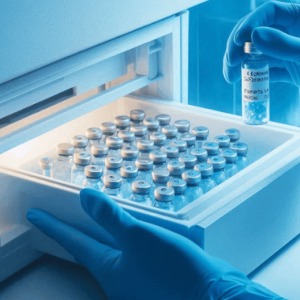
In the rapidly evolving domains of molecular biology, pharmacology, biological assay development, and structural proteomics, high-purity synthetic peptides serve as indispensable research reagents. These short polymers of amino acids—linked by amide bonds—enable scientists to dissect complex signaling pathways, analyze receptor-ligand kinetics, map enzyme substrate specificity, and develop targeted preclinical drug delivery models. However, the validity and reproducibility of empirical laboratory findings depend fundamentally on the structural integrity, sequence fidelity, and chemical purity of these synthesized compounds. For institutional purchasing departments, principal investigators, and enterprise analytical facilities, finding verified Wholesale peptide suppliers is essential to securing high-purity reagents while ensuring fiscal responsibility across multi-phase experimental programs.
Synthesis Technologies: SPPS vs. LPPS Frameworks
The industrial manufacturing of research-grade peptides relies on two primary synthetic platforms: Solid-Phase Peptide Synthesis (SPPS) and Liquid-Phase Peptide Synthesis (LPPS). Understanding the mechanical distinctions between these methodologies allows procurement teams to select the appropriate production scale for their specific project needs.
                   ┌─────────────────────────────────────────┐
                   │    Peptide Synthesis Methodologies      │
                   └────────────────────┬────────────────────┘
                                        │
             ┌──────────────────────────┴──────────────────────────┐
             ▼                                                     ▼
 ┌───────────────────────┐                             ┌───────────────────────┐
 │   Solid-Phase (SPPS)  │                             │  Liquid-Phase (LPPS)  │
 ├───────────────────────┤                             ├───────────────────────┤
 │ • Resin-bound chain   │                             │ • Solution reaction   │
 │ • Custom sequences    │                             │ • Kilogram capacity   │
 │ • Rapid step cycles   │                             │ • High solution rate  │
 └───────────────────────┘                             └───────────────────────┘
Solid-Phase Peptide Synthesis (SPPS)
Developed by R. Bruce Merrifield, SPPS remains the benchmark strategy for custom sequence fabrication. The functional C-terminal amino acid is covalently bound to a solid polymeric matrix (such as polystyrene resin). Subsequent N-protected amino acids are systematically added in a step-by-step assembly process.
- Protection Chemistry: Fmoc or Boc chemical protection groups prevent undesirable side reactions on reactive side chains during the coupling process.
- Washing Cycles: Excess liquid reagents and unreacted side-products are filtered out after each coupling phase without needing intermediate isolation steps.
- Target Scope: Optimal for custom sequences, modifications (e.g., fluorophore tag attachment, isotope labeling, biotinylation), and complex chains up to 50–70 residues.
Liquid-Phase Peptide Synthesis (LPPS)
Liquid-Phase Peptide Synthesis conducts reactions in a homogeneous solution rather than on a solid matrix. While LPPS requires step-by-step intermediate isolation, it offers superior volumetric efficiency and lower solvent consumption at industrial scale. LPPS is ideal for high-volume manufacturing of short, standardized peptides (typically fewer than 15 amino acids).
Analytical Testing Standards: Validating Batch Quality
Experimental anomalies in cell culture, receptor binding, and in vivo trials are often caused by unverified impurities present in lower-tier chemical synthesis runs. These impurities usually consist of truncated sequences, deletion peptides, or residual cleavage solvents like trifluoroacetate (TFA). Consequently, comprehensive analytical verification is mandatory prior to laboratory integration.
                      ┌─────────────────────────────────┐
                      │    Analytical Testing Flow      │
                      └────────────────┬────────────────┘
                                       │
        ┌──────────────────────────────┴──────────────────────────────┐
        ▼                                                             ▼
┌──────────────┐                                              ┌──────────────┐
│  HPLC Test   │                                              │ LC-MS Test   │
├──────────────┤                                              ├──────────────┤
│ Measures     │                                              │ Confirms MW  │
│ % Purity     │                                              │ & Identity   │
└───────┬──────┘                                              └───────┬──────┘
        │                                                             │
        └──────────────────────────────┬──────────────────────────────┘
                                       │
                                       ▼
                      ┌─────────────────────────────────┐
                      │ Certificate of Analysis (CoA)   │
                      └─────────────────────────────────┘
High-Performance Liquid Chromatography (HPLC)
HPLC measures the relative chemical purity of a peptide batch by separating the target compound from synthesis side-products based on molecular hydrophobic interactions.
- ≥90% Purity: Suitable for polyclonal antibody production, initial qualitative screening, and non-critical assays.
- ≥95% Purity: Required for cell culture, receptor binding assays, enzyme kinetics, and ELISA protocols.
- ≥98%+ Purity: Essential for quantitative bio-assays, NMR structural mapping, crystallization, and in vivo studies.
Liquid Chromatography-Mass Spectrometry (LC-MS)
While HPLC verifies the purity percentage, LC-MS calculates the precise mass-to-charge ($m/z$) ratio. Mass Spectrometry confirms that the synthesized sequence matches its theoretical molecular weight and verifies the complete removal of chemical protecting groups.
Financial Optimization: Individual Vials vs. Bulk Purchasing
Ordering synthetic reagents in small, retail quantities introduces significant price markups and exposes long-term studies to lot-to-lot variability. Shifting to bulk purchasing provides major financial and operational advantages.
| Procurement Parameter | Single Retail Vials (1–10 mg) | Bulk Enterprise Sourcing (Grams–Kilograms) |
| Unit Cost Structure | High retail markup per vial | Lowest cost per milligram/gram |
| Batch Continuity | Variable lots across separate orders | Unified lot across multi-year studies |
| Quality Overhead | Multiple CoAs required over time | Single, batch-wide Certificate of Analysis |
| Logistics Expenses | High recurring freight fees | Reduced consolidated cold-chain shipping |
Securing a single large synthesis batch eliminates batch-to-batch variation, ensuring consistent baseline parameters across multi-phase experimental trials.
Primary Categories of Synthesized Research Sequences
Modern peptide synthesis supports diverse biological disciplines, ranging from metabolic regulation studies to advanced materials science.
Metabolic Regulatory Sequences
Research focusing on metabolic processes, insulin sensitivity, and gastrointestinal hormone responses utilizes synthetic analogues of incretins, glucagon-like peptides, and secretagogues. High-purity metabolic sequences ensure precise binding affinity data without background interference.
Tissue Repair and ECM Signaling Motifs
Sequences that mimic extracellular matrix (ECM) signaling fragments are extensively studied in regenerative medicine, wound healing, and tissue engineering. Motifs such as GHK-Cu, BPC-157, and various thymosin analogues are routinely investigated for their tissue repair and cell migration properties in vitro.
Antimicrobial Peptides (AMPs) and Structural Neuropeptides
Antimicrobial peptides offer valuable structural frameworks for studying membrane perturbation mechanisms, while synthetic neuropeptides enable researchers to map central and peripheral nervous system signaling pathways.
Laboratory Handling, Storage, and Reconstitution SOPs
Improper storage or handling after delivery can rapidly degrade even high-purity peptides. Research facilities should adopt strict Standard Operating Procedures (SOPs) to maintain product stability.
Lyophilized Container ──► Deep Freeze (-20°C or -80°C) ──► Desiccated Warm-up ──► Solvent Dissolution ──► Single-Use Aliquots
Storage of Lyophilized Powder
Synthesized peptides are delivered as freeze-dried (lyophilized) cakes under an inert gas atmosphere.
- Short-Term: Stored at 2°C to 8°C in a desiccated environment.
- Long-Term: Stored in deep-freeze conditions (-20°C or -80°C) away from direct light exposure to prevent hydrolytic degradation.
Reconstitution Protocols
- Temperature Equilibration: Allow cold vials to adjust to room temperature inside a desiccator before opening. Opening cold vials directly exposes the dry powder to ambient atmospheric moisture, inducing rapid condensation and hydrolysis.
- Solvent Selection: Dissolve in sterile, degassed water or physiological buffers whenever possible. Hydrophobic sequences may require initial solubilization in a small volume of organic solvent (such as DMSO or dilute acetic acid) prior to aqueous dilution.
- Gentle Mixing: Invert or swirl the vial gently. Avoid violent vortexing, which creates shear forces that can cause protein denaturation or irreversible aggregation.
- Aliquot Strategy: Reconstituted solutions should be divided into single-use aliquots and frozen immediately to avoid repeated freeze-thaw cycles.
Vendor Selection and Cold-Chain Logistics
Choosing the Best place to buy bulk peptides online requires careful evaluation of a vendor’s technical documentation, quality control protocols, and supply chain infrastructure.
                      ┌─────────────────────────────────┐
                      │    Vendor Qualification Plan    │
                      └────────────────┬────────────────┘
                                       │
        ┌──────────────────────────────┼──────────────────────────────┐
        ▼                              ▼                              ▼
┌──────────────┐               ┌──────────────┐               ┌──────────────┐
│ Facility     │               │ Quality      │               │ Logistics &  │
│ Verification │               │ Verification │               │ Support      │
└───────┬──────┘               └───────┬──────┘               └───────┬──────┘
        │                              │                              │
 • ISO compliance check         • Lot HPLC/MS reports          • Temperature monitoring
 • Batch-to-batch tracking      • CoA validation               • Dedicated support
Institutional procurement teams should verify that suppliers utilize monitored cold-chain shipping systems (such as phase-change gel packs or dry ice) to prevent thermal degradation during transit.
Safety Guidelines and Research Boundaries
All research-grade peptides are manufactured and supplied strictly for in vitro laboratory research, biochemical analysis, and educational study. They are explicitly not intended for clinical use, human consumption, therapeutic treatments, or cosmetic applications. Maintaining strict regulatory compliance and safety standards ensures that synthesized reagents remain entirely within authorized experimental channels.
Enterprise Purchasing and Scientific Discovery
Establishing a transparent, verifiable procurement pipeline for bulk synthetic peptides empowers research institutions to lower overhead costs while maintaining high scientific standards. By working with direct synthesis providers who offer full analytical documentation and reliable cold-chain delivery, research teams can focus their resources on scientific discovery and innovation.
Conclusion
Securing reliable, research-grade synthetic peptides is crucial for modern biomedical and biochemical exploration. By using robust synthesis methods, demanding thorough analytical verification, and following proper laboratory storage protocols, research institutions ensure maximum reproducibility across all experimental workflows.
Frequently Asked Questions (FAQs)
What causes peptide degradation during storage?
Peptide degradation is primarily caused by hydrolysis (breakdown from ambient moisture), oxidation of vulnerable amino acid residues (such as Methionine or Cysteine), and repeated freeze-thaw cycles that break peptide bonds or cause molecular aggregation.
Why is net peptide content different from total peptide purity percentage?
HPLC purity reflects the percentage of the target sequence relative to peptide impurities in the sample. Net peptide content measures the actual weight percentage of pure peptide relative to non-peptide components, such as counter-ions (e.g., trifluoroacetate) and bound water.
What is the recommended temperature for long-term peptide storage?
For long-term storage (several months to years), lyophilized peptide powders should be kept deeply frozen at -20°C or -80°C in a desiccated, dark environment.
How do hydrophobic amino acid sequences affect reconstitution?
Sequences with high concentrations of hydrophobic residues (e.g., Leucine, Isoleucine, Valine, Phenylalanine) do not dissolve easily in pure water. They require initial dissolution in a minimal amount of an organic solvent like DMSO or dilute acetic acid before diluting with aqueous buffers.
Are Certificate of Analysis (CoA) reports required for bulk orders?
Yes. Every commercial bulk peptide shipment should include a lot-specific Certificate of Analysis featuring HPLC purity chromatograms, Mass Spectrometry (MS) identity verification, and batch tracking details to ensure analytical validity.