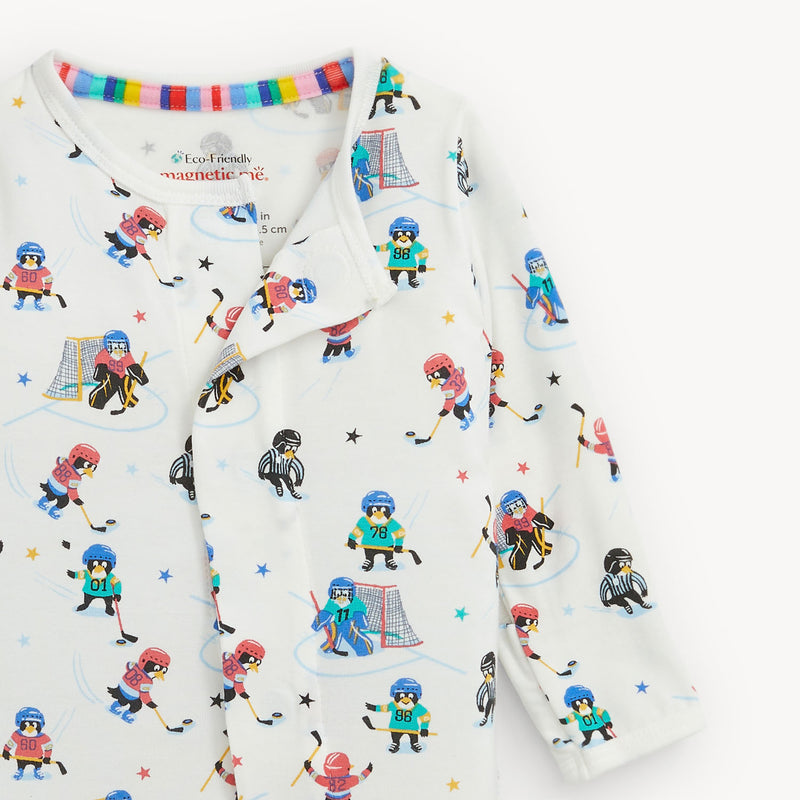
Welcoming a baby into your family brings boundless happiness, sweet moments, and an array of brand-new daily routines. One of the most frequent activities you will engage in as a caregiver is dressing your infant for sleep, play, and outings. Choosing garments that prioritize ease of movement, soft textures, and practical features ensures that your child stays content throughout their early growth stages. Building a versatile baby closet starts with reliable core pieces that make daily routines seamless. Incorporating soft Baby onesies as essential base layers guarantees gentle protection, natural airflow, and easy access for frequent diaper changes.
In this guide, we will discuss key factors in choosing infant clothing, understanding fabric benefits, organizing daily outfits, and keeping your child comfortable across every season.
Prioritizing Skin Safety and Gentle Fabrics
A baby’s skin is extraordinarily tender and sensitive to touch. Choosing high-grade materials free from harsh treatments is crucial for keeping their skin clear and healthy.
Certified Organic Cotton Benefits
Organic cotton is widely recognized as a top fabric choice for baby garments. Grown naturally without synthetic pesticides or harsh chemical fertilizers, organic cotton yields soft, strong fibers that allow delicate skin to breathe freely while maintaining exceptional durability through frequent wash cycles.
The Silky Softness of Bamboo Viscose
Bamboo-derived viscose offers an extraordinarily smooth feel that glides over tender skin without causing friction. Bamboo fibers naturally regulate temperature, helping keep your baby pleasantly cool on hot days and snugly warm during cooler evenings.
Avoiding Rough Trims and Tags
Stiff inner tags, rough embroidery, and heavy plastic decorations can rub against skin, causing irritation. Opting for garments with tagless printed labels and smooth, flatlock stitching prevents unnecessary friction and supports continuous comfort.
Functional Features That Make Parent Care Easy
While adorable prints bring joy, thoughtful design features dictate how easy a garment is to use during busy daily routines.
Expandable Lap Shoulders
Envelope lap shoulders feature overlapping fabric across the upper chest that expands effortlessly. This allows parents to pull soiled garments downward over the hips during messy diaper accidents rather than taking them off over the head, keeping changes clean and stress-free.
Time-Saving Closure Options
Fastening traditional buttons on a wiggling baby can feel slow. Choosing modern options like soft magnetic closures, durable snaps, or smooth two-way zippers makes outfit swaps fast and effortless, especially during late-night diaper updates.
Roomy Leg Openings and Flexible Stretch
Infants spend their waking hours stretching, kicking, and exploring. Garments with wide leg openings and four-way stretch accommodate both cloth and disposable diapers easily without pinching delicate legs.
Building a Streamlined Everyday Wardrobe
A thoughtful wardrobe focuses on essential, versatile garments that handle daily wear with ease, cutting down on closet clutter and laundry overwhelm.
Core Everyday Staples
Maintaining 8 to 12 versatile base layers, 5 to 7 cozy footed sleepers, and a few soft cardigans ensures you always have clean, comfortable choices ready for your child throughout the week.
Organizing by Fit Over Size Labels
Infant physical growth varies greatly, meaning printed month labels on clothes are often approximate. Organizing your baby’s dresser drawers according to actual fit ensures that every piece gets used before your child moves to the next size up.
Gentle Washing and Care Habits
To preserve fabric softness and elasticity, launder baby clothes in cool water using a mild, fragrance-free, hypoallergenic detergent. Tumble dry on low heat or hang dry in the shade to maintain fabric quality over time.
Stylish One-Piece Fashions for Active Daywear
As your baby transitions from newborn rest into active sitting, crawling, and daytime play, playwear needs to offer complete physical freedom alongside cute style. Single-piece playwear eliminates the hassle of matching separate tops and bottoms while keeping your child fully mobile. For bright outdoor walks, playdates, and casual family gatherings, choosing cheerful Baby rompers provides a stylish, complete outfit that keeps your active child looking adorable and feeling happy.
Conclusion
Dressing your baby in soft, comfortable, and functional clothing is a wonderful way to care for your child’s daily well-being. By prioritizing breathable natural fabrics, smart closure designs, and efficient wardrobe organization, you ensure your infant stays cozy, safe, and cheerful every day. Investing in durable, practical garments simplifies daily care routines, giving you more peaceful moments to cuddle and bond with your child.
Frequently Asked Questions (FAQs)
Why is organic cotton recommended for newborn clothing?
Organic cotton is cultivated without toxic chemicals or pesticides, resulting in pure, hypoallergenic fibers that are extra gentle on delicate newborn skin.
How do two-way zippers help during diaper changes?
Two-way zippers allow you to unzip the bottom half of an outfit for quick diaper changes without exposing your baby’s chest to cold room air.
How many outfit changes do infants need per day?
Infants typically go through 2 to 4 outfit changes daily due to minor spit-ups, drool, or diaper leaks, making a well-stocked dresser essential.
Are bamboo fabrics suitable for year-round wear?
Yes, bamboo viscose is naturally thermo-regulating, which helps keep your baby cool during summer heat and cozy during winter chill.