An online meat processing course can introduce learners to the principles behind hygienic meat handling, processing operations, quality checks and workplace safety. Meat processing requires careful control of temperature, sanitation, equipment, traceability and handling procedures. Training can help learners understand these steps before entering a processing unit or upgrading their existing skills.
A course should be chosen according to the learner’s intended role. A beginner may need an overview of the processing chain and hygiene requirements, while an existing worker may want to strengthen knowledge of quality control, cold-chain practices or production records. FICSI supports skill development in the food industry; learners should check its official listings for current course availability, eligibility and certification details.
What Is Meat Processing?
Meat processing includes the activities that take meat from receiving and inspection through preparation, cutting, processing, packaging, storage and distribution. The exact operations vary by species, product type and facility. Throughout the chain, workers need to follow established procedures to reduce contamination risks and preserve product quality.
Topics a course may cover
- Basic meat science and product characteristics.
- Receiving, inspection and traceability of raw material.
- Personal hygiene, sanitation and cleaning procedures.
- Temperature control and cold-chain management.
- Equipment safety, handling practices and production records.
Some programmes may also introduce packaging, labelling, quality assurance, waste management and regulatory awareness. Review the syllabus to understand which topics are included and whether the course is designed for production workers, supervisors or people entering the sector.
Why Hygiene and Temperature Control Matter
Raw meat can support the growth of harmful microorganisms when it is handled or stored under unsuitable conditions. Temperature control slows microbial growth, while cleaning, sanitation and separation practices help reduce cross-contamination. These controls must be followed consistently rather than treated as occasional checks.
Workers should understand the facility’s specified temperature limits, monitoring schedule and corrective-action procedure. They should also know how to separate raw and ready-to-eat products, handle tools correctly and report equipment faults or unusual product conditions. A training course should reinforce the importance of following the approved workplace process.
Good handling practices
- Wash hands and use required protective clothing.
- Keep equipment and contact surfaces clean according to procedure.
- Prevent contact between raw products and ready-to-eat foods.
- Follow specified time and temperature controls.
- Record checks accurately and report deviations promptly.
Processing Operations and Equipment Awareness
Depending on the facility, meat processing may involve trimming, cutting, mincing, mixing, marination, portioning or other product-specific operations. Workers need to understand the purpose of each step and the risks associated with the equipment. Training should emphasise safe operation and the rule that guards or safety devices must never be bypassed.
Online theory can explain process flow, common equipment and hygiene controls, but practical tasks should only be carried out with suitable supervision and authorised equipment. Learners should not attempt unfamiliar machinery based solely on a video lesson. Workplace induction and competency checks remain important.
Quality Control and Traceability
Quality assurance helps a processing unit confirm that products meet defined specifications. Checks may relate to appearance, temperature, weight, packaging integrity, labelling and records, depending on the product and facility. Employees should know which checks are part of their role and when a concern must be escalated.
Records that support control
- Receiving and supplier details for raw materials.
- Temperature and storage monitoring logs.
- Cleaning and sanitation records.
- Batch identification and production records.
- Packaging, labelling and dispatch information.
Traceability allows a business to connect a finished product with relevant batches and handling records. Accurate documentation is not simply paperwork; it supports investigations, corrective action and recall readiness when a product concern occurs.
How to Select an Online Meat Processing Course
Compare course content, assessment, duration and the kind of certificate offered. A course may be introductory or specialised, and its suitability depends on the role you want. Check whether it covers the Indian food safety context and whether the provider explains any practical requirements clearly.
Questions to ask before enrolling
- Does the syllabus cover hygiene, cold chain and quality checks?
- Is there an assessment or practical component?
- Who is the course designed for and what are the entry requirements?
- What certificate is issued and how is completion verified?
- Are learner support and course materials included in the fee?
Online training can offer flexibility for people balancing work and study. However, practical competence in a processing facility also depends on supervised experience, local standard operating procedures and safe equipment use. A certificate should not be treated as a substitute for workplace authorisation.
Career Opportunities in Meat Processing
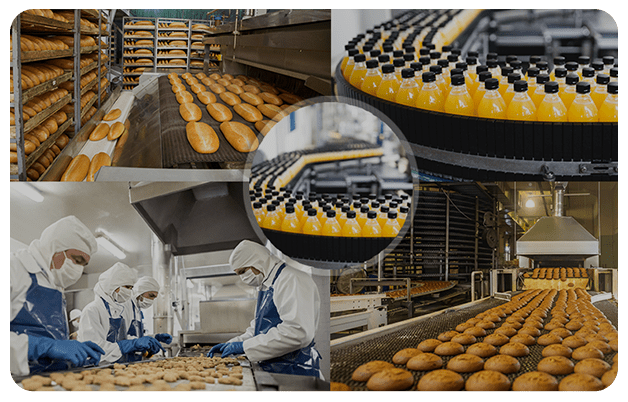
Meat processing facilities may employ production assistants, processing operators, packaging workers, quality-control support staff, cold-store personnel and supervisors. The roles available depend on the employer, facility and a candidate’s skills. Entry-level applicants may begin with routine tasks and progress as they demonstrate competence and reliability.
Employers value safe work habits, accurate records, teamwork and the ability to follow standard operating procedures. Learners can strengthen their prospects by understanding hygiene controls, asking relevant questions during induction and building experience under qualified supervision.
Turn Course Knowledge into Workplace Practice
The value of an online meat processing course lies in how well learners apply the concepts to real operating procedures. Review the syllabus, practise knowledge checks, understand temperature and hygiene controls, and seek supervised practical experience where needed.
FICSI is a useful starting point for exploring food-sector skill development. Check the official course catalogue for current meat-processing-related options and confirm the certificate, assessment and eligibility details before making a decision.